
Manifest Destiny: 19th-Century American Expansionism and Its Legacy
Manifest Destiny was a 19th-century belief that the United States had a providential right to expand across North America; it shaped policy, fueled conflict, and remains a contested element of U.S. history.
Manifest Destiny was a widely invoked idea in mid-19th-century United States politics and culture that American expansion across the North American continent was justified, inevitable, or divinely sanctioned. The phrase itself was popularized in 1845 by a newspaper writer, John L. O'Sullivan, and printed in a newspaper context that tied national growth to moral and historical purpose. Proponents often described this impulse as belonging to the United States and grounded it in beliefs about a divine or providential mission and a natural right to claim additional territory.
Image gallery
10 Images


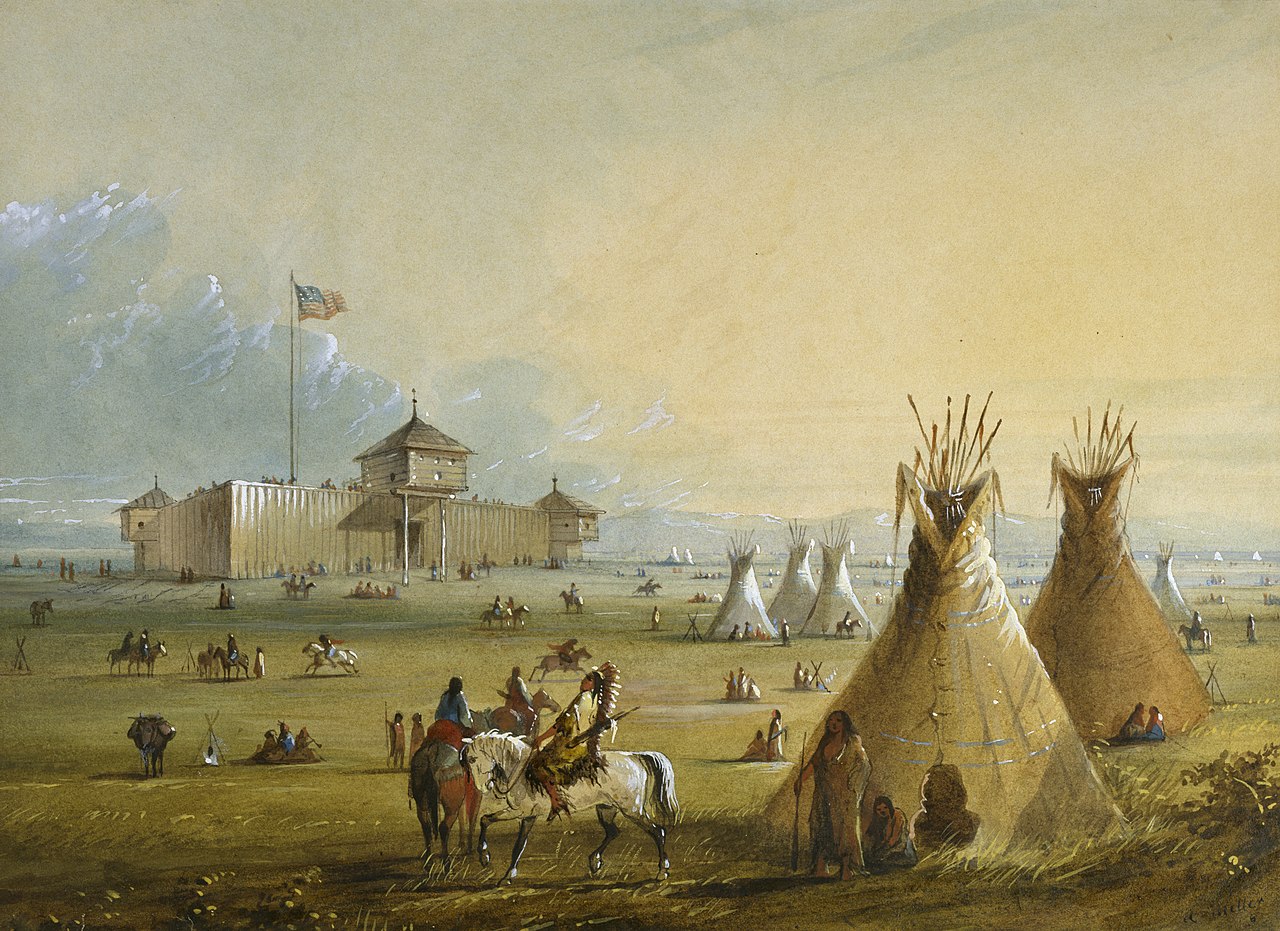


Core ideas and characteristics
The concept combined several overlapping convictions: a sense of historical mission to spread republican institutions, a belief in cultural or racial superiority among Anglo-Americans, and the idea that expansion would bring economic opportunity and national security. Supporters presented expansion as progress; critics warned it could lead to conflict and injustice.
How it influenced policy and events
Manifest Destiny shaped public debate and policy in the 1840s and 1850s, influencing discussions about annexation, border disputes, and diplomatic pressure. Leaders and voters used its language to justify territorial claims that pushed U.S. boundaries toward the Pacific. It became a rhetorical resource in legislative battles and presidential politics as the young nation confronted questions about how far and by what means it should grow.
Consequences and controversies
- Territorial expansion under the banner of Manifest Destiny contributed to wars, negotiations, and treaties that altered control of large regions.
- Expansion intensified conflicts with Indigenous peoples, resulting in displacement, cultural disruption, and long-term legal and moral consequences.
- Debates over whether new territories would permit slavery heightened sectional tensions and played a role in the lead-up to the American Civil War.
- Opponents — including some political parties, religious groups, and regional leaders — rejected expansionist rhetoric as aggressive or unjust.
Legacy and interpretation
Historians and commentators have treated Manifest Destiny as both an ideological driver of 19th-century American policy and a contested symbol. Some emphasize its role in nation-building and economic development; others highlight its links to imperialism, dispossession, and racialized thinking. Modern scholarship tends to place the phrase in wider contexts of diplomacy, migration, and indigenous resistance rather than as a single, unified program.
For readers seeking more detail, primary texts and contemporary newspaper debates illuminate how the language of destiny and duty was used in practice. The phrase "Manifest Destiny" endures in public memory as shorthand for a period when expansionist ambitions reshaped the continent — an ambition recorded and criticized in period writings and later historical analysis. For contemporary introductions and documents, see period commentaries and curated collections of 19th-century political writing such as those available from archival and educational projects (term and usage, national context, religious dimensions, legal claims, territorial records, press sources, original authors).
Related articles
Author
AlegsaOnline.com Manifest Destiny: 19th-Century American Expansionism and Its Legacy Leandro Alegsa
URL: https://en.alegsaonline.com/art/61332
Sources
- mtholyoke.edu : "John L. O'Sullivan on Manifest Destiny."
- pbs.org : "Manifest Destiny"
- millercenter.org : "James K. Polk: Life in Brief"
- pbs.org : "Interactive Timeline"
- archives.gov : "The Treaty of Guadalupe Hidalgo"
- history.state.gov : "Indian Treaties and the Removal Act of 1830"
- jstor.org : Schindler's Fate: Genocide, Ethnic Cleansing, and Population Transfers
- icc-cpi.int : Elements of Crimes
- nps.gov : "Trail of Tears National Historic Trail: Stories"