
Maoism: ideology, history, and global influence
A summary of Maoism — its principles, development under Mao Zedong, role in the People’s Republic of China, and influence on insurgent movements and political thought worldwide.
Overview
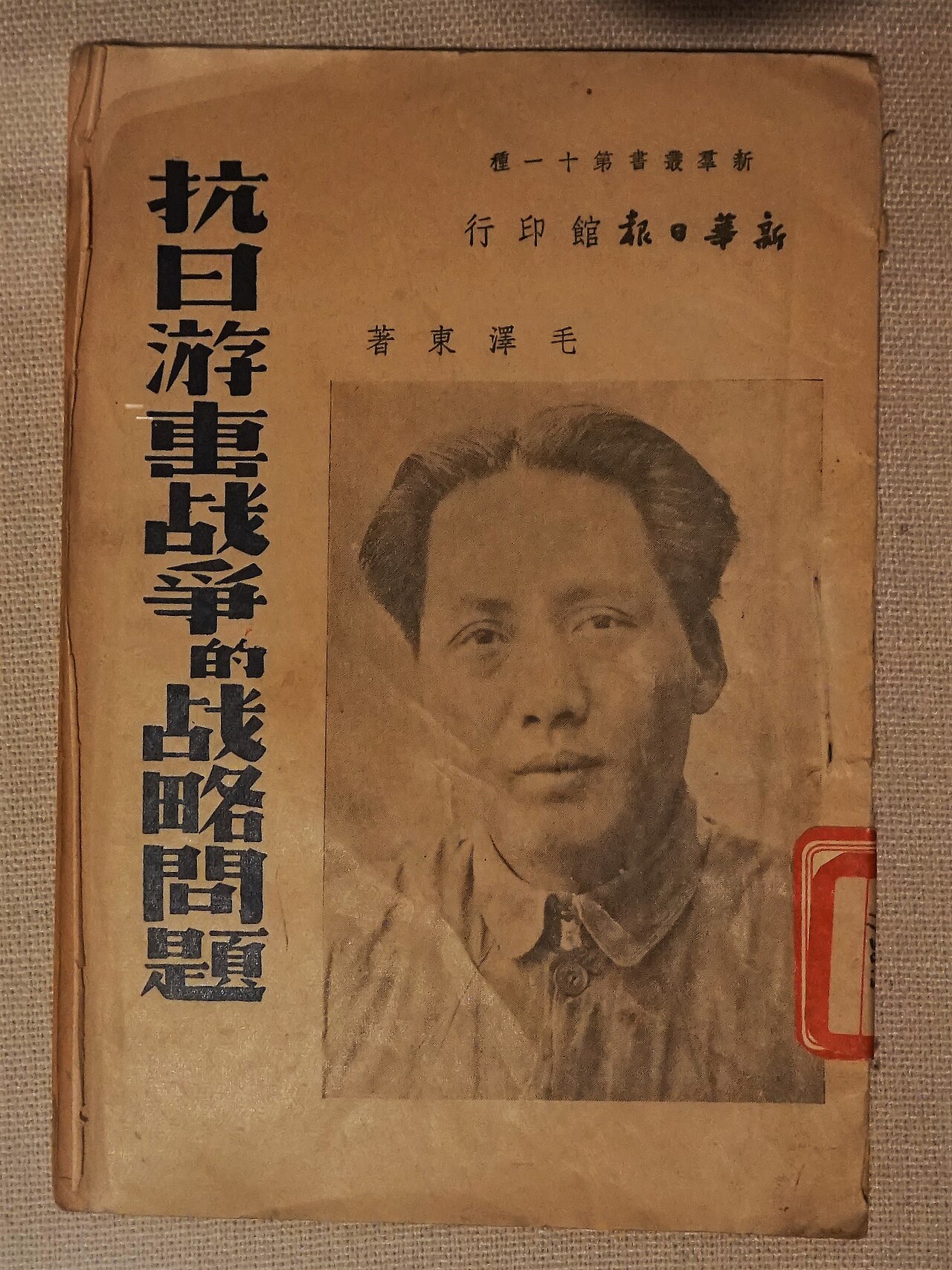
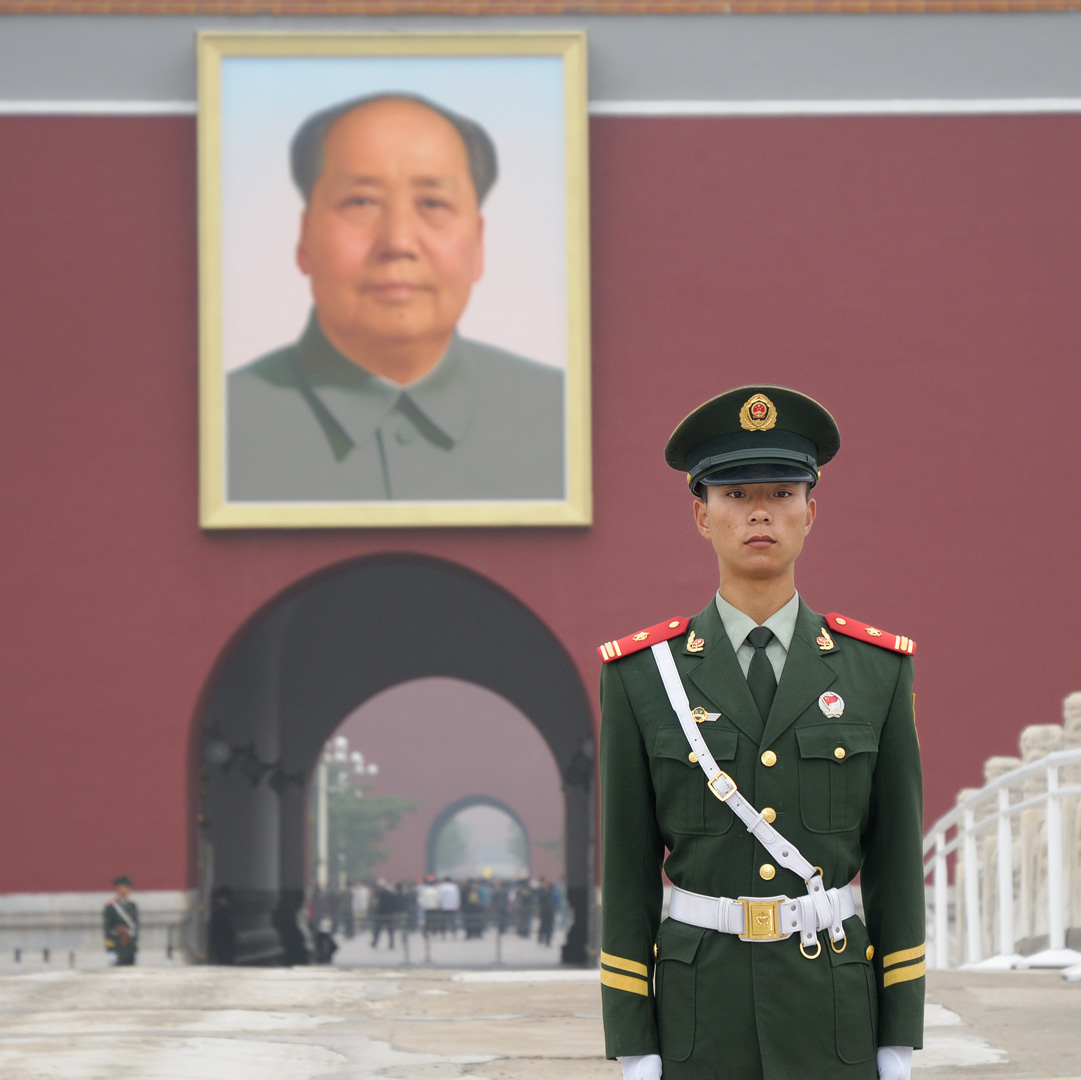
Maoism is a distinct form of communist political thought associated with the Chinese leader Mao Zedong. It builds on Marxist–Leninist ideas but emphasizes the revolutionary potential of the peasantry, protracted rural struggle, and continuous mass mobilization. Maoism became the guiding political doctrine of the Chinese state after the 1949 founding of the People’s Republic of China and influenced movements and parties in several regions beyond China.
Image gallery
10 Images



Core ideas and characteristics
Maoist theory adapts classical communist concepts to conditions where industrial working classes are small and the countryside dominates the economy. Key elements include:
- Peasant-led revolution: Rural populations are the principal revolutionary force rather than the urban proletariat.
- People’s war: A strategy of encircling cities from the countryside through protracted guerrilla warfare.
- Mass line: A method of leadership that seeks to formulate policy by listening to popular demands and then returning policies to the people for implementation.
- Continuous revolution: The idea that class struggle must be sustained to prevent bureaucratization and restore revolutionary zeal.
Historical development
Maoism emerged as a practical adaptation of communist theory to China’s largely agrarian society in the first half of the 20th century. Under Mao’s leadership the Communist Party carried out land reform, rural organization, and long-term guerrilla campaigns that culminated in victory in 1949. During the 1950s and 1960s, Maoist policies shaped collectivization, political campaigns, and the Cultural Revolution (1966–1976), a tumultuous period aimed at reshaping culture and politics. After Mao’s death in 1976 the Chinese leadership gradually introduced economic reforms and market mechanisms, and contemporary Chinese policy combines elements of Party centralization with significant changes to economic practice.
Uses, influence, and examples
Maoism influenced governance in China and inspired revolutionary and insurgent movements worldwide. Parties and guerrilla organizations in South Asia, Latin America, and elsewhere drew on Maoist strategy and rhetoric. Some movements emphasized rural mobilization and protracted armed struggle as a path to state power, while others adapted Maoist concepts to local conditions. Comparisons are often made with other communist traditions such as Soviet-style communism and the revolutionary approach in places like Cuba, highlighting differences in social base and military strategy.
Distinctions and notable facts
Maoism differs from classical Marxism in its prioritization of the peasantry and its specific military and mobilizational techniques. It also places unique emphasis on political campaigns and ideological struggle within society. In contemporary discourse, the term is used both to describe historical policies under Mao and as a label for revolutionary movements that adopt similar tactics. The ruling Chinese Communist Party (CCP) continues to reference Maoist language and symbols at times, although its economic and administrative practices have evolved markedly since the Mao era.
Because Maoism combines theory, political practice, and military strategy, assessments vary: some scholars treat it as an adaptation that made communist revolution possible in a rural country, while critics point to the social and human costs of its campaigns. Its legacy remains a subject of study in histories of 20th-century revolutions and contemporary political thought.
Related articles
Author
AlegsaOnline.com Maoism: ideology, history, and global influence Leandro Alegsa
URL: https://en.alegsaonline.com/art/61498