
Man and Superman: A Comedy and a Philosophy by George Bernard Shaw
A 1903–1905 dramatic work by George Bernard Shaw that mixes satire, social theory and the Don Juan legend; notable for its long 'Don Juan in Hell' scene and enduring stage and film adaptations.
Overview
Man and Superman is a major dramatic work by George Bernard Shaw written in the early 20th century. Shaw described it as both a comedy and a vehicle for philosophical ideas. The play treats the Don Juan myth as a framework to examine ambition, sexuality, social roles and the idea Shaw called the "Life Force." It blends witty dialogue with explicit intellectual debate, producing a work that is at once theatrical and argumentative. The piece is commonly referred to simply as a play but is distinctive for its mixture of genres.
Image gallery
4 Images
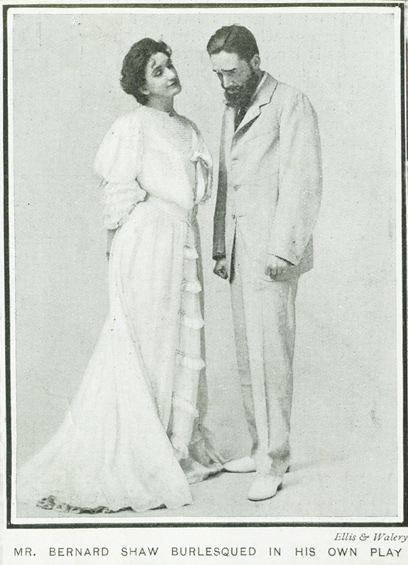


Structure and principal characters
The drama includes a long dream-like interlude—often published or staged separately as "Don Juan in Hell"—in which allegorical figures debate morality and destiny. The action surrounding that sequence follows ordinary social situations and courtship rituals. Principal figures include the provocative thinker John Tanner (often called Jack Tanner) and the determined Ann Whitefield; their interactions drive much of the comic and ideological conflict.
- Major characters: Jack (John) Tanner, Ann Whitefield, supporting social figures
- Notable section: the "Don Juan in Hell" philosophical scene
- Form: a theatrical work that combines comedy, satire and didactic dialogue
The play was first performed at the Royal Court Theatre in London on 23 May 1905; this premiere and the venue are often noted when discussing its original reception and staging history. For production details see the historical record of the premiere and subsequent revivals.
Themes, influence and reception
Shaw uses the drama to question conventional ideas about marriage, heroism and social change. The play's philosophical passages explore whether human behaviour is driven by biological urges or social ideals, and whether a "superman" figure represents ethical progress or merely a new kind of domination. Critics and audiences have both admired its intellectual ambition and debated its theatrical balance between argument and action.
Performance history and adaptations
Because the central dream scene can stand alone, it has often been performed independently from the rest of the work. The play has been revived many times on stage and adapted for screen; a notable film version released in 1982 featured Peter O'Toole. Modern productions continue to highlight different aspects—comic, romantic or philosophical—showing the play's flexibility for directors and companies interested in probing Shaw's ideas.
For additional background and contemporary commentary consult critical introductions and annotated editions of the text, and specialized theatrical histories or archives that document staging and interpretation over time. Further reading and resources are available through theatrical guides and scholarly sites linked here: text and editions, general overviews, and compiled production histories at theatre records and academic portals covering adaptations.
Related articles
Author
AlegsaOnline.com Man and Superman: A Comedy and a Philosophy by George Bernard Shaw Leandro Alegsa
URL: https://en.alegsaonline.com/art/61145