
Magallanes Region (XII Region of Chile)
Southernmost administrative region of Chile, notable for Patagonia landscapes, Torres del Paine, islands and a Chilean Antarctic claim administered as part of the region.
Overview
The Magallanes Region (Spanish: XII Región de Magallanes y de la Antártica Chilena) is Chile's southernmost administrative region. It is one of the country's fifteen regions and forms a vast area of southern Patagonia, islands and icefields. Politically it is part of the Republic of Chile, with a small, dispersed population concentrated in a few urban centers.
Image gallery
10 Images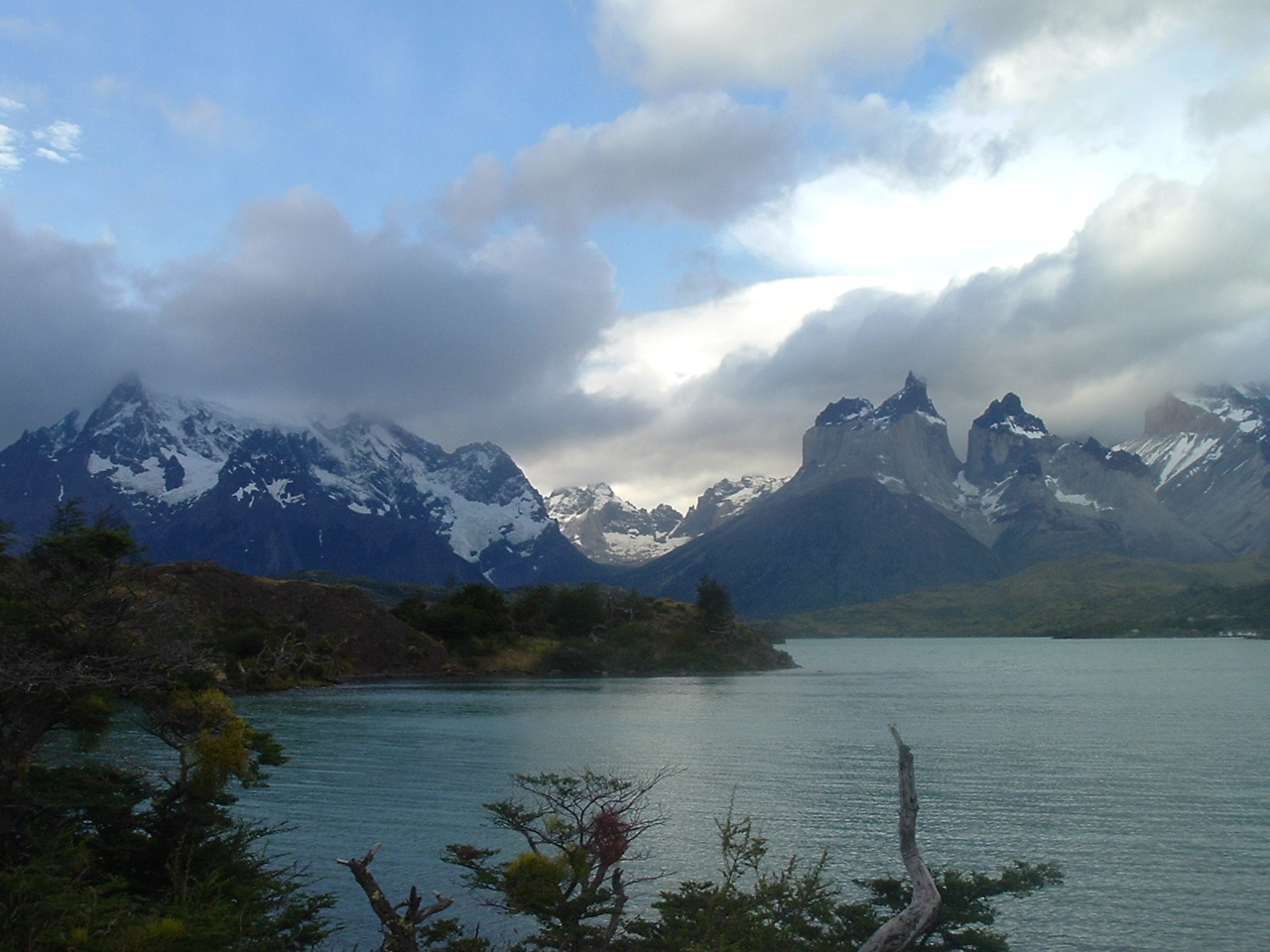




Geography and administration
The region includes continental territory, large islands, fjords and channels, and Chile's Antarctic claim. Its landscape ranges from coastal plains and steppe to rugged mountains, glaciers and ice caps. Administratively the region is divided into four provinces and several communes; these provinces are the primary subregional units.
- Magallanes Province (administrative seat: Punta Arenas)
- Última Esperanza Province (seat: Puerto Natales)
- Tierra del Fuego Province (seat: Porvenir)
- Antártica Chilena Province (administrative territory that includes Chile's Antarctic claim)
History and the Antarctic claim
European exploration, maritime navigation and 19th-century settlement shaped the region's development; sheep ranching and maritime services were early economic pillars. The region also contains the Chilean claim in Antarctica, administered within its structure while subject to the international framework of the Antarctic Treaty System. This legal context affects research, environmental management and international cooperation in the polar zone (Antártica Chilena).
Economy, climate and transport
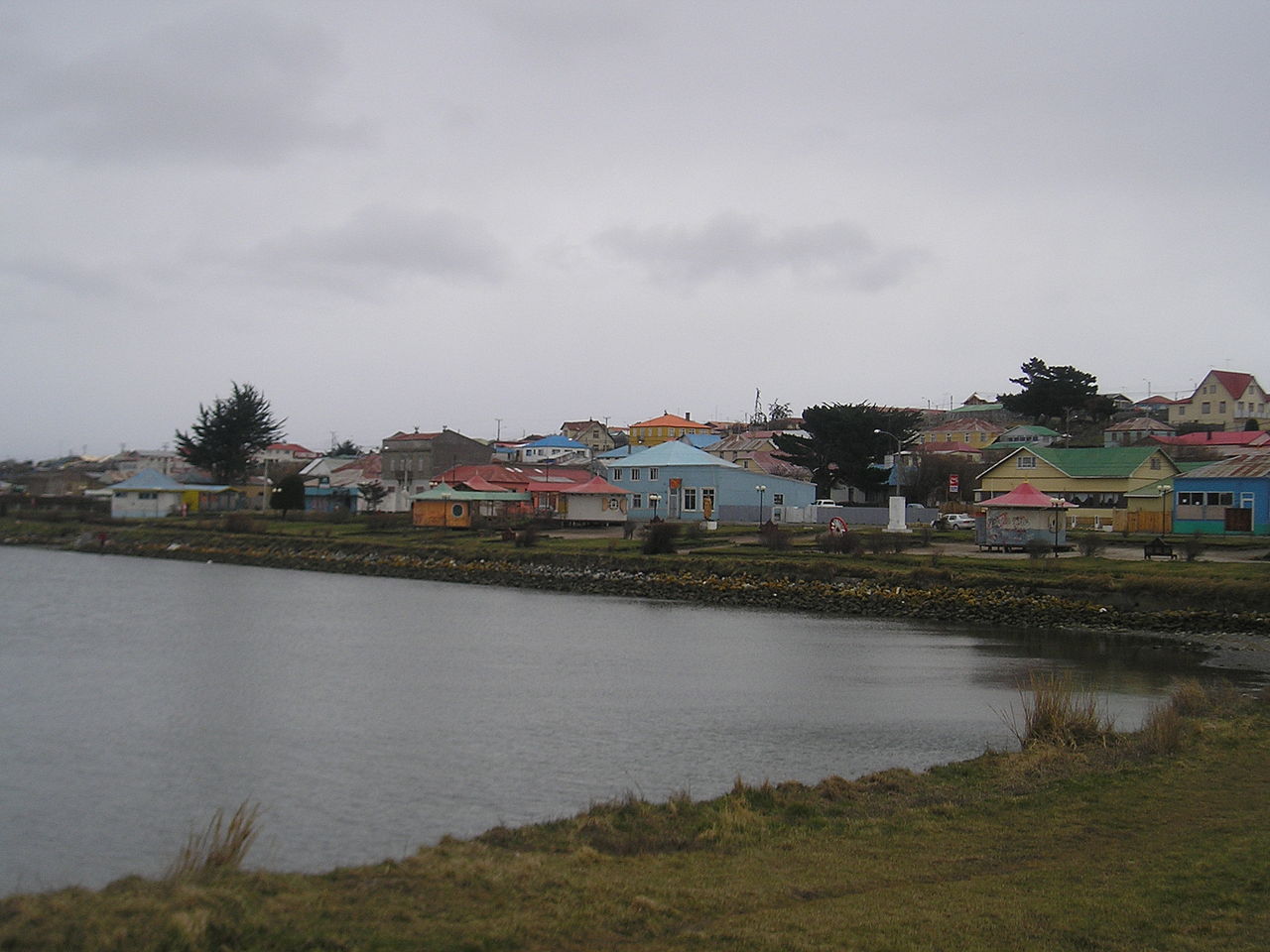
Climate varies from subpolar oceanic to cold steppe; weather is often windy and changeable. Traditional economic activities include livestock (sheep) and fisheries; more recently tourism, services and some energy development have become important. Punta Arenas functions as the regional hub for air and sea links to southern islands, Antarctic expeditions and long-distance road routes, while ferries and coastal shipping connect remote settlements.
Tourism and notable features
Magallanes is internationally known for dramatic Patagonian scenery. Torres del Paine National Park, glaciers such as those in the Southern Patagonian Ice Field, fjords, and strong cultural ties to maritime and ranching traditions draw visitors and researchers. Smaller towns such as Porvenir and Puerto Williams provide access to islands and southernmost communities; Puerto Williams is often cited as among the world's southernmost settlements. For general information and regional services, consult official regional sources and travel authorities (provinces and communes).
The region's combination of remote wilderness, unique ecosystems and geopolitical significance in Antarctic affairs makes it a distinctive part of Chile's national geography and a frequent subject of environmental study and adventure tourism.
Related articles
Author
AlegsaOnline.com Magallanes Region (XII Region of Chile) Leandro Alegsa
URL: https://en.alegsaonline.com/art/60554