
Puerto Natales — gateway city of Chilean Patagonia
Puerto Natales is a port city and commune in Chile's Magallanes Region; capital of Última Esperanza Province and the main gateway to Torres del Paine National Park and Patagonian fjords.
Puerto Natales is a Chilean commune and coastal city located in the southern part of the country. It serves as the administrative center and capital of the Province of Última Esperanza, within the Region of Magallanes and the Chilean Antarctica. The town was formally established in 1911; a national census in 2002 recorded 19,116 inhabitants living in a commune that covers an extensive area of roughly 49,924 square kilometres. Its role as a regional hub combines municipal services, a working port, and facilities for visitors to nearby natural attractions.
Image gallery
9 Images




Geography and climate
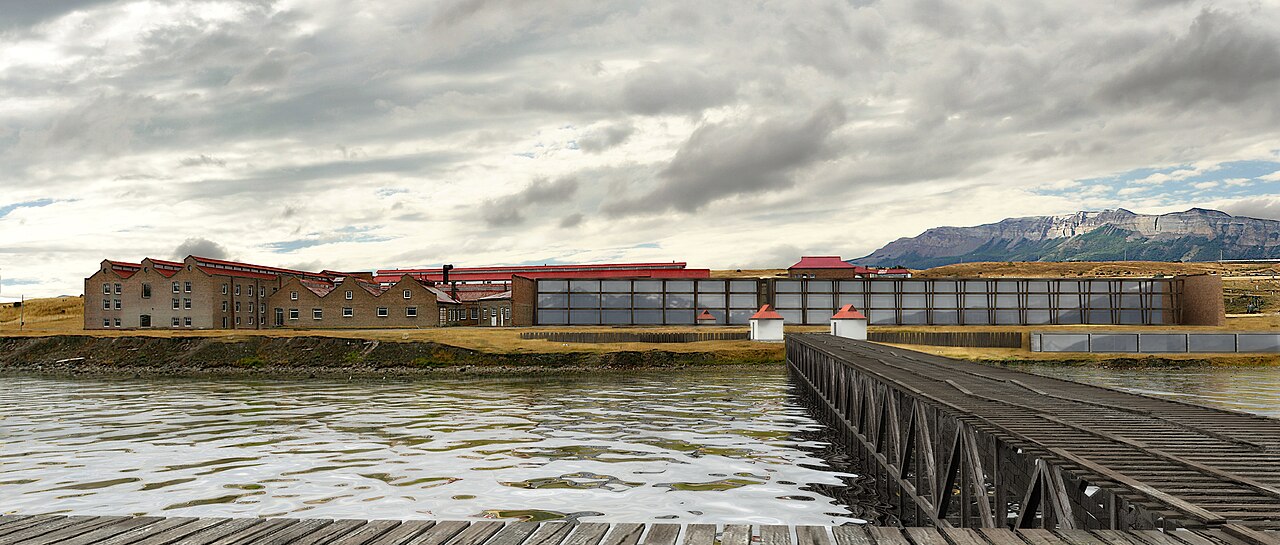
Puerto Natales sits on the shore of a sheltered fjord system and has views across channels and islands that characterize southern Patagonia. The surrounding landscape juxtaposes windswept steppe, glacial valleys and jagged mountain silhouettes. Weather is generally cool and often windy year-round, with rapid changes in temperature and frequent cloud cover—conditions typical of the Patagonian coast.
History and cultural notes
The area around Puerto Natales was traditionally inhabited by indigenous maritime peoples. European and other foreign settlers arrived in the late 19th and early 20th centuries, attracted by opportunities in sheep ranching and maritime trade; immigrants from several countries, including Croatia, joined the workforce and influenced local culture. The town grew as a port for the wool and livestock industries before shifting toward services and tourism.
Economy, transport and services
Today the local economy relies on a mix of tourism, artisanal fishing and remaining agricultural activity. Puerto Natales functions as the primary gateway for visitors to Torres del Paine National Park and for excursions into the Patagonian fjords and glaciers. It is served by road links to other Magallanes towns and by a small regional airport that connects to larger urban centers. The waterfront hosts marinas, cargo facilities and a promenade with shops, restaurants and visitor services.
Attractions and visitor information
- Access point for Torres del Paine National Park treks and guided tours.
- Boat trips into nearby fjords, glaciers and islands.
- Natural monuments and caves in the surrounding countryside, where archaeological and paleontological sites can be seen.
- Local markets and restaurants offering Patagonian lamb, seafood and regional crafts.
As a compact but vital southern port, Puerto Natales combines practical services for residents with facilities tailored to international and domestic tourism. Its scenic setting and proximity to major natural reserves make it an important point of departure for exploring the Chilean side of Patagonia and a reference location within the broader Magallanes region. For administrative and municipal context see the town's entry as the provincial capital and regional references at Magallanes.
Related articles
Author
AlegsaOnline.com Puerto Natales — gateway city of Chilean Patagonia Leandro Alegsa
URL: https://en.alegsaonline.com/art/79956