
Meenakshi Temple, Madurai
Historic Hindu temple in Madurai on the Vaigai River, dedicated to goddess Meenakshi and Sundareswarar (Shiva). Famous for richly carved gopurams, mandapams, festivals and centuries of South Indian temple architecture.
Overview
The Meenakshi Temple is a major historic Hindu shrine located in the center of Madurai, on the southern bank of the Vaigai River. It honors the goddess Meenakshi — a local form of the divine feminine — together with her consort Sundareswarar, a manifestation of Shiva. The complex is one of the most visited and recognizable religious sites in Tamil Nadu and India, combining devotional functions with an outstanding ensemble of South Indian temple art and urban planning.
Image gallery
10 Images



Architecture and layout
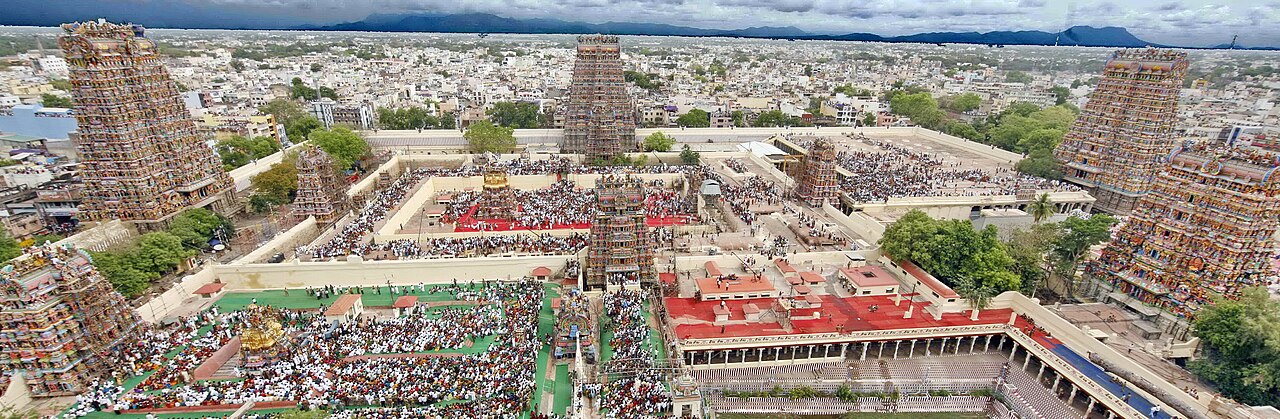
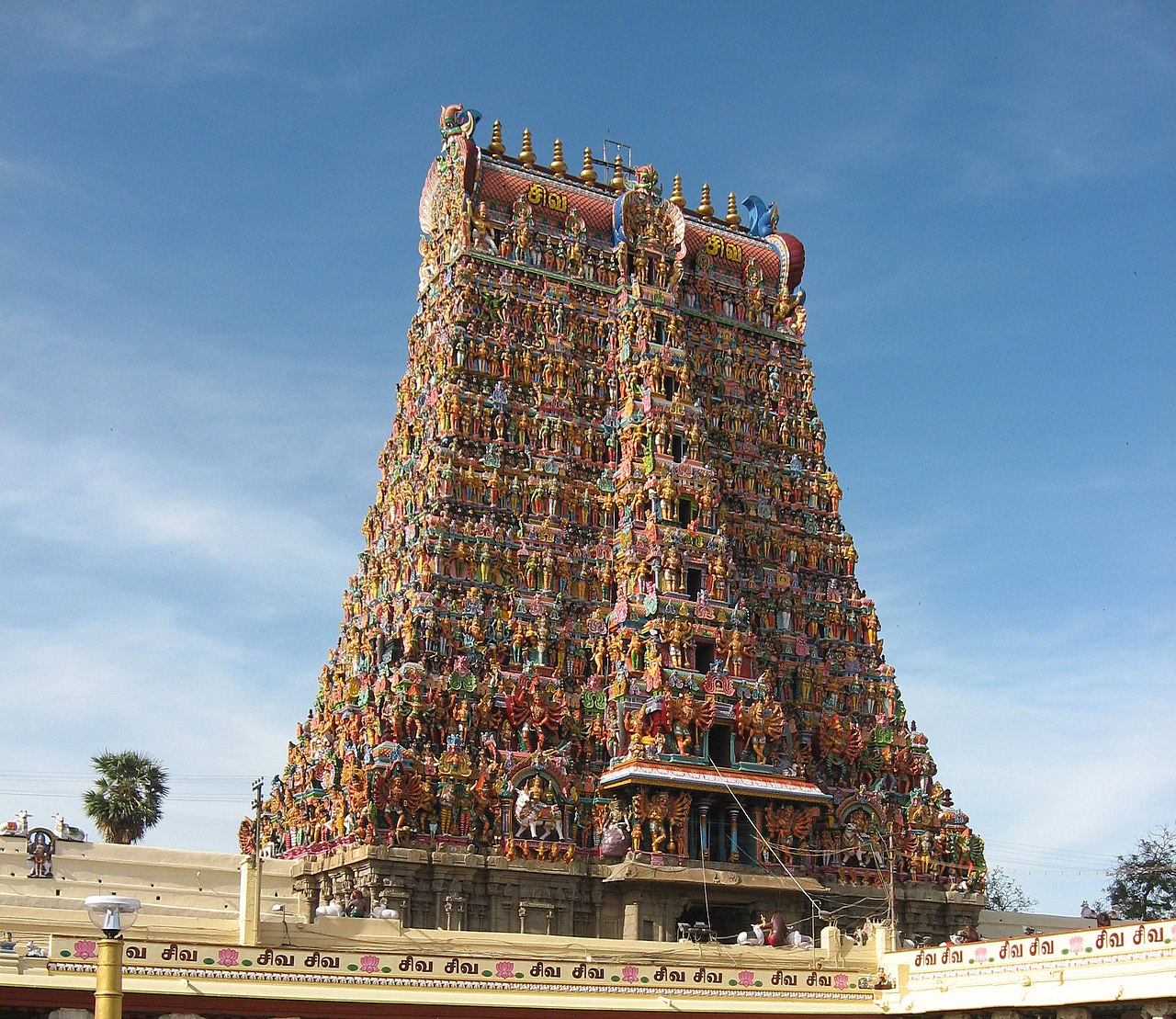
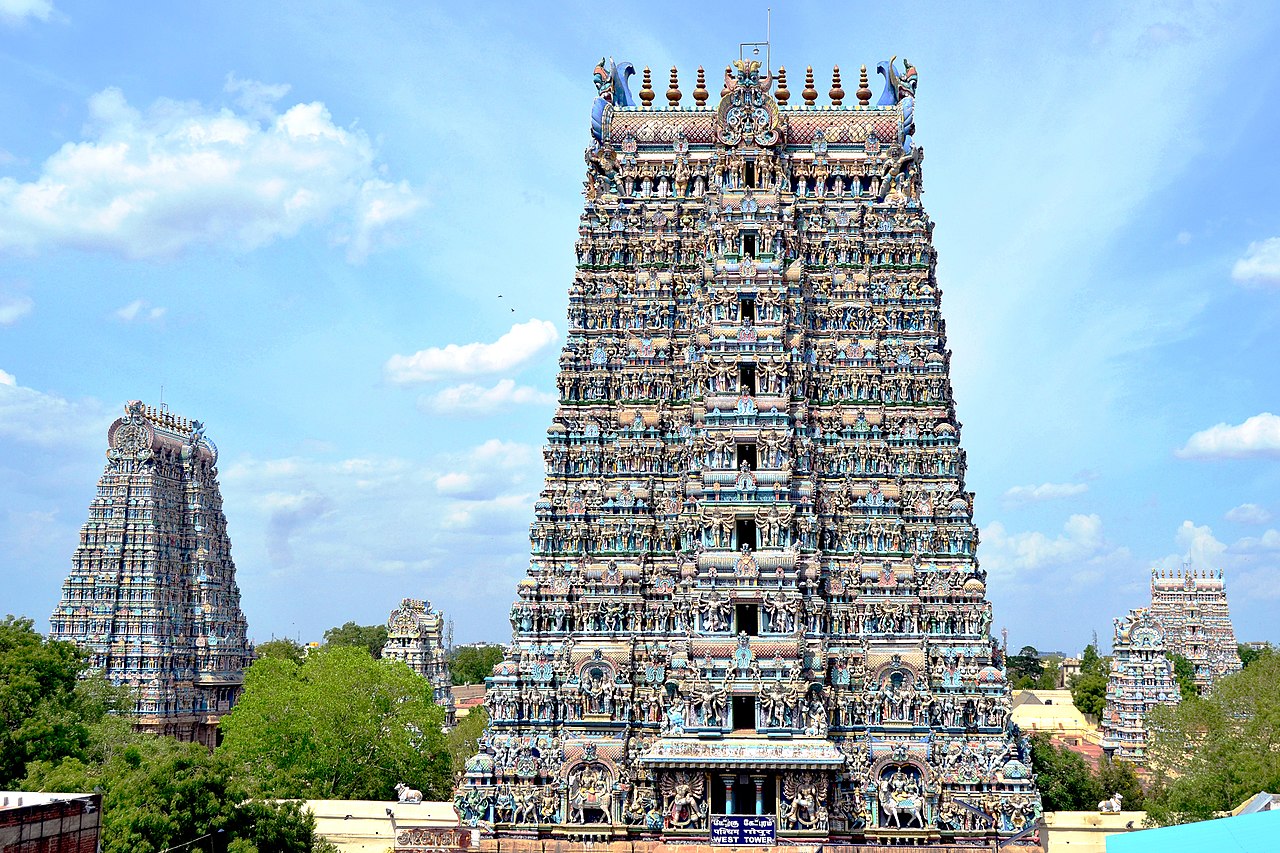
The temple complex occupies a large, planned area with many shrines, pillared halls and towering entrance gateways called gopurams. These gopurams are elaborately carved and painted with thousands of figures from Hindu mythology. Inside are inner sanctums, mandapams (ceremonial halls) and smaller chapels arranged around concentric courtyards. A notable feature often mentioned by visitors is the pillared hall with finely sculpted columns and interconnected corridors that illustrate the region's craftsmanship.
Historical development
The site has roots in the early medieval period and underwent major phases of building and expansion over centuries. Local dynasties and later rulers contributed to the temple’s present form, repairing, enlarging and adding decorative work. The result is an architectural palimpsest where medieval temple traditions were elaborated during successive periods of patronage, producing the richly ornamented surfaces and monumental gateways visible today.
Religious life and festivals
The temple remains an active center of worship with daily rituals, periodic processions and seasonal festivals that draw large numbers of devotees and visitors. One of the most prominent celebrations commemorates the divine marriage of Meenakshi and Sundareswarar, which is reenacted with music, dance and a ceremonial procession through the streets. These events highlight the temple’s role as both a living religious institution and a focal point for local cultural life.
Importance and visitor information
- Religious significance: A major pilgrimage destination for devotees of the goddess and her consort.
- Art and conservation: The complex is valued for its sculpture, painting and traditional stonework; conservation efforts seek to preserve these elements while accommodating worship.
- Visiting: The temple is accessible from the city center and is often included on cultural and heritage routes through Madurai and Tamil Nadu.
For an introduction to the river that skirts the city and context for the shrine, see the references to the Vaigai River; for broader cultural and religious background consult guides to India and studies of Shaiva and Shakta traditions associated with Shiva and his consorts.
Related articles
Author
AlegsaOnline.com Meenakshi Temple, Madurai Leandro Alegsa
URL: https://en.alegsaonline.com/art/60532