
M60 machine gun
American 7.62×51mm NATO belt‑fed general-purpose machine gun introduced in 1957, widely used by U.S. forces in Vietnam and later conflicts; gradually supplanted by the M240 in many roles.
Overview
The M60 is an American-made general-purpose machine gun that fires the 7.62×51mm NATO cartridge (7.62mm NATO). Designed to provide sustained automatic fire for infantry squads and vehicle mounts, the M60 combines a belt-feed mechanism with a quick-change barrel and an open-bolt, gas-operated action.
Image gallery
10 Images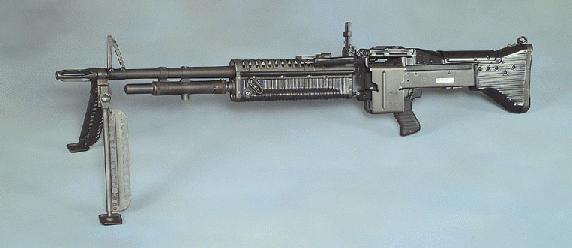


Design and characteristics
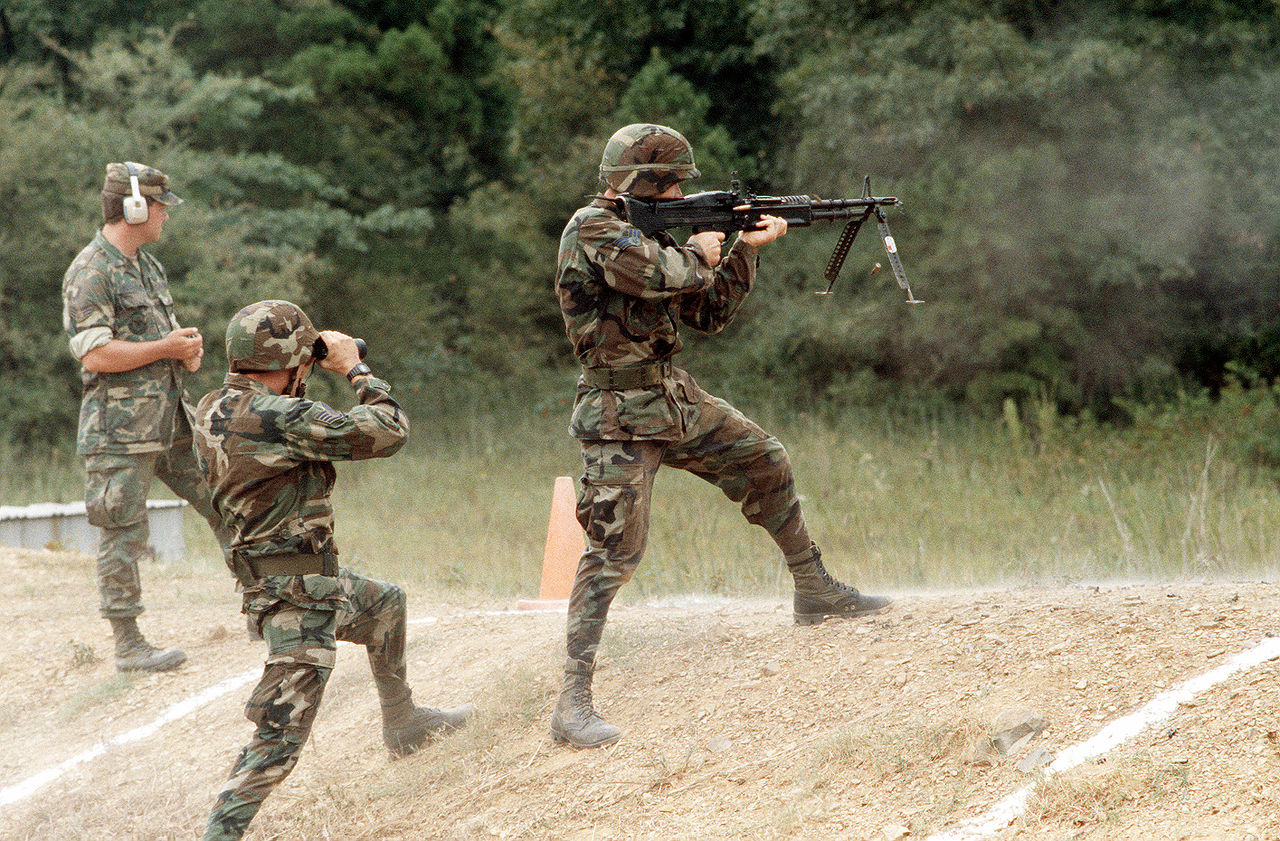
Key characteristics include a belt-fed feed system, air-cooled barrel, and a gas-operated receiver. It was produced in several configurations to suit different roles: tripod- and bipod-mounted infantry guns, vehicle mounts, and adaptations for aircraft use. Crews could replace the barrel in the field to manage overheating during prolonged firing.
- Action: gas-operated, open bolt
- Ammunition: 7.62×51mm NATO (see caliber)
- Feeding: disintegrating metal belt links
- Roles: squad support, vehicle and aircraft mounts
History and service
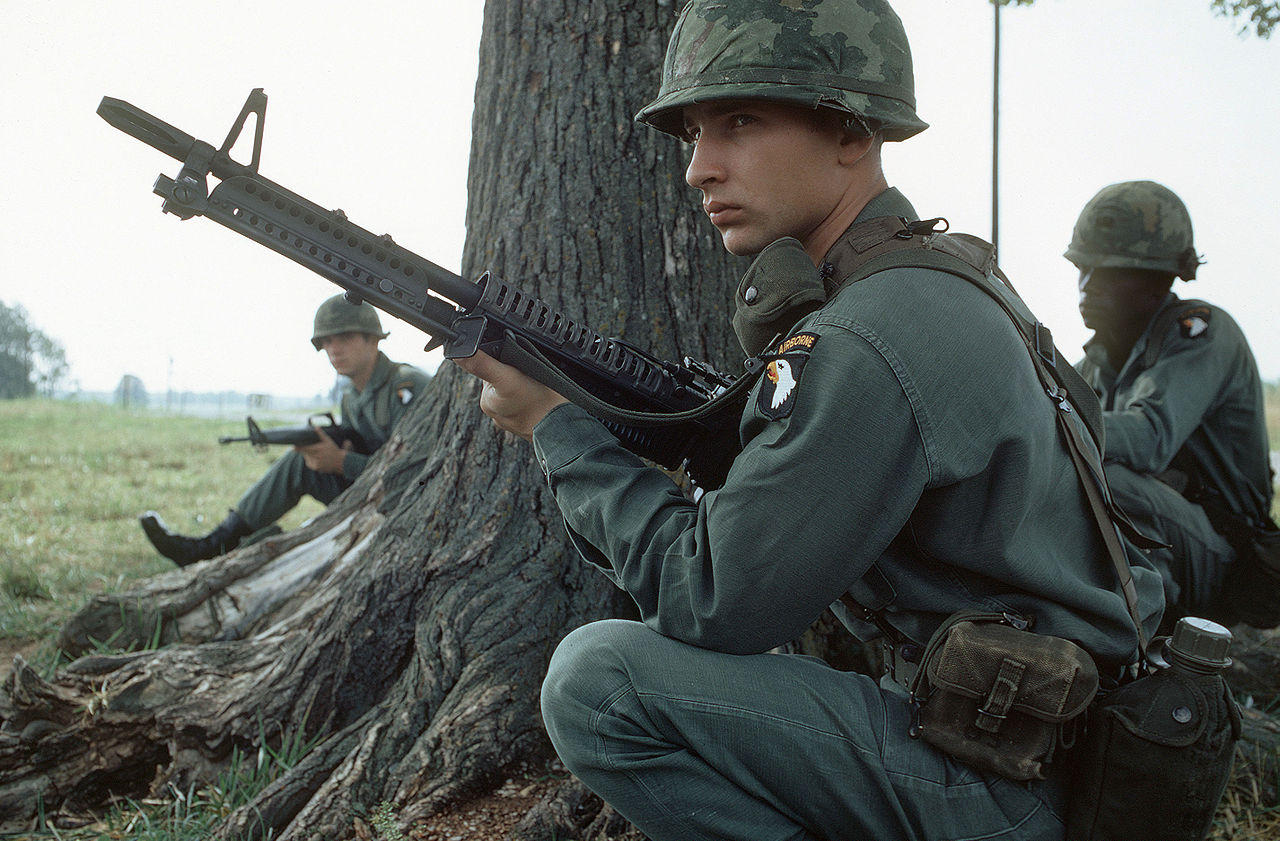
Adopted for U.S. service in 1957 by the United States Army, the M60 saw extensive combat use in the Vietnam War (Vietnam) as a principal support weapon for infantry units. It continued in service through later conflicts, including the Gulf War (Gulf War) and the campaigns in Afghanistan and Iraq (Afghanistan and Iraq), where both infantry and mounted formations employed it.
Variants and operational use
Manufacturers and military users developed several variants to improve reliability, reduce weight, or adapt the weapon to specific platforms. Some versions added lighter components for dismounted troops; others were fitted with special mounts and sights for use on vehicles and helicopters. Field experience led to improvements, though early models were criticized for weight and maintenance demands.
Legacy and replacement
Over time the M60 has been partially replaced in many U.S. roles by the Belgian-designed M240 (M240), which is often regarded as more durable in sustained-fire scenarios. Nevertheless, the M60 remains historically significant for its long frontline service and for influencing the development of later automatic weapons. It also continues to be used by some foreign armed forces and in reserve capacities.
Notable facts
The M60 occupies a transitional place in post‑World War II small arms development, blending earlier design ideas into a broadly useful machine gun. Its service life and adaptations reflect changing tactical demands for mobile, sustained-fire weapons in infantry and vehicle operations.
Related articles
Author
AlegsaOnline.com M60 machine gun Leandro Alegsa
URL: https://en.alegsaonline.com/art/60176