
M1 Garand: U.S. Semi-Automatic Service Rifle
The M1 Garand is a gas-operated, .30-caliber semi-automatic rifle adopted as the U.S. service rifle in 1936; widely used in World War II and Korea and notable for its eight-round en bloc clip.
Overview
The M1 Garand is a gas-operated, semi-automatic rifle that became the standard American service rifle in the mid-1930s. It chambered the powerful .30-06 cartridge and offered soldiers a substantially higher sustained rate of fire than contemporary bolt-action designs. The Garand saw extensive combat use in World War II and the Korean War, and remained in various roles until it was succeeded by later arms in the 1950s.
Image gallery
10 Images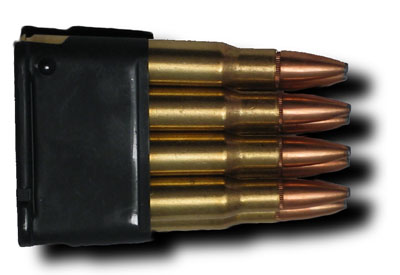





Design and characteristics
The M1's operating system is driven by gas tapped from the barrel to cycle the action automatically. A distinctive feature is its internal magazine fed by an eight-round en bloc clip; the clip and empty cartridge bases are ejected when the last round is fired. The rifle combined a wooden stock with relatively rugged iron sights and a fixed gas cylinder beneath the barrel.
- Action: gas-operated, semi-automatic.
- Feeding: internal magazine loaded with an en bloc clip (often described as an eight-bullet loading system).
- Ergonomics: full-length wooden stock, conventional pistol grip, and bayonet provision on many versions.
- Sights: adjustable iron sights suitable for infantry ranges.
History and development
Designed by John C. Garand at the Springfield Armory, the rifle was adopted by the U.S. Army in 1936 as a replacement for the bolt-action M1903 Springfield. Mass production began before the Second World War, and the weapon became widely issued to American infantry. Its selection reflected a doctrinal shift toward greater individual firepower for the rifleman. Production continued through the 1940s and into the postwar era, with several contractors manufacturing the design under government supervision.
Uses, impact, and legacy
On the battlefield, the Garand's semi-automatic action allowed faster follow-up shots and increased squad firepower compared with bolt-action rifles. This performance contributed to its reputation among American troops and commanders. After frontline service, the M1 continued in reserve, training, and ceremonial roles and remains popular with collectors, historical reenactors, and vintage competition shooters.
Notable facts and common misconceptions
The M1 is often remembered for the brief metallic "ping" produced when the empty en bloc clip is expelled after the last shot; this sound has become part of its popular image. A frequent myth, sometimes reinforced by media and video games, is that the clip cannot be removed before all rounds are fired. In reality, the clip can be removed with deliberate manipulation, though doing so is more awkward than with modern detachable magazines—this nuance has led to misunderstandings reflected in popular portrayals and discussions about the rifle.
Historically, the rifle drew praise from some senior officers for its battlefield utility; anecdotal endorsements contributed to its reputation. It was eventually replaced in U.S. front-line service by the 7.62mm M14 in the late 1950s, but its role in mid-20th-century warfare and its influence on small-arms development remain significant.
Further reading and resources on the M1 Garand's technical details, variations, and historical service can be found through specialist books, museums, and archival collections; introductory online resources and specialty organizations also document its service life and continuing civilian interest (rifle overview) and (service rifle history).
For collectors and historians, familiarizing oneself with the rifle's parts, serial number ranges, and manufacturer marks helps identify production variants and service histories. The M1 remains an important example of a shift in small-arms philosophy that emphasized semi-automatic fire for standard infantry rifles.
References and links for further exploration: WWII context, Korean War role, technical notes on the predecessor Springfield, and discussions of the en bloc loading system and related myths (misconceptions).
Related articles
Author
AlegsaOnline.com M1 Garand: U.S. Semi-Automatic Service Rifle Leandro Alegsa
URL: https://en.alegsaonline.com/art/60201