
Lunch: the mid-day meal
Overview of lunch as the typical mid-day meal: definitions, common formats, cultural variations, history, social role, typical foods and practical tips for packing or buying midday meals.
Overview
Lunch is the principal midday eating occasion in many cultures and generally falls between late morning and mid-afternoon. It is commonly described as the meal eaten after breakfast and before dinner. Depending on local habits, it may be light or substantial, quick or leisurely; its timing is often around noon or early afternoon.
Image gallery
10 Images




Typical formats and components
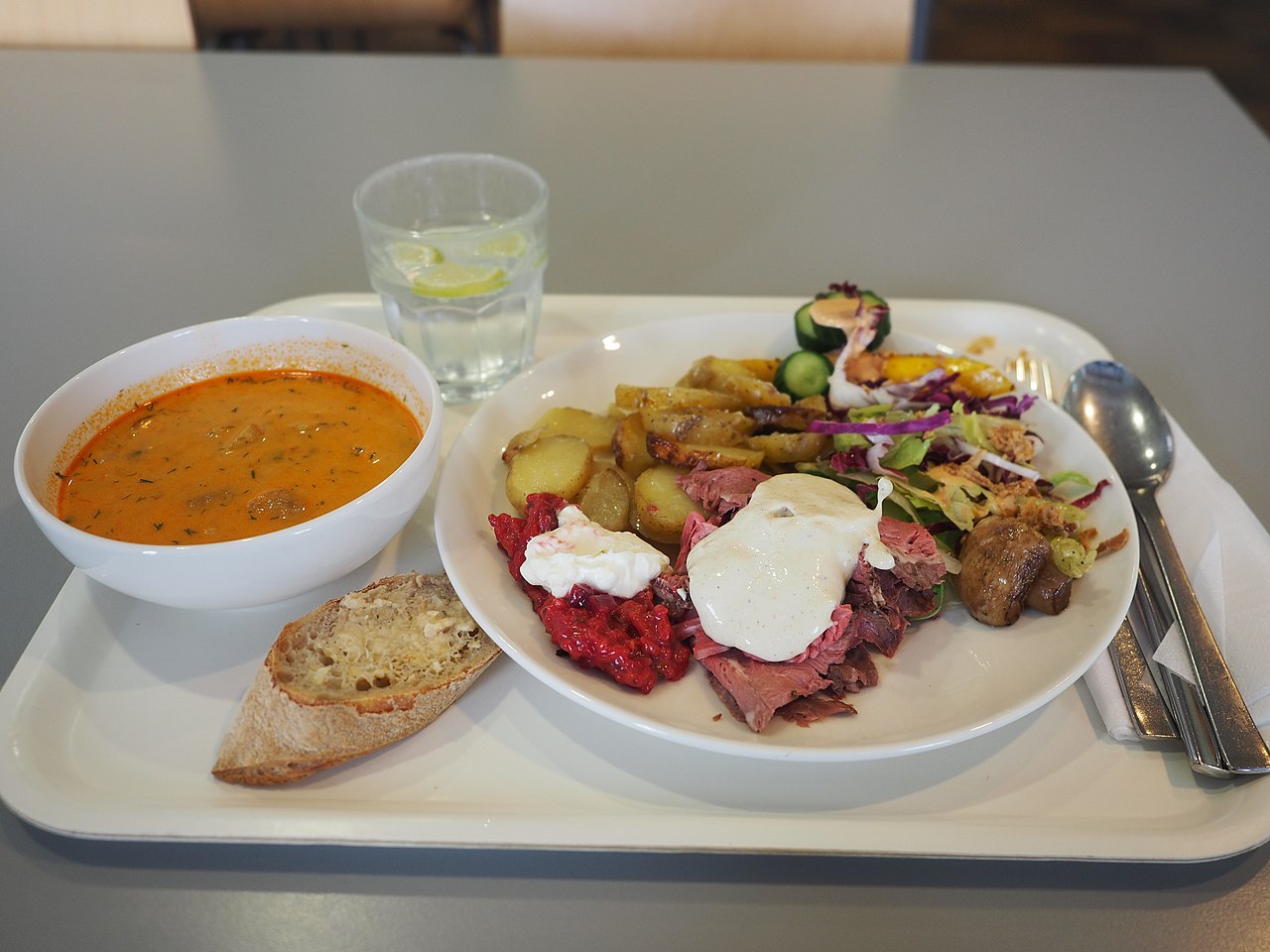
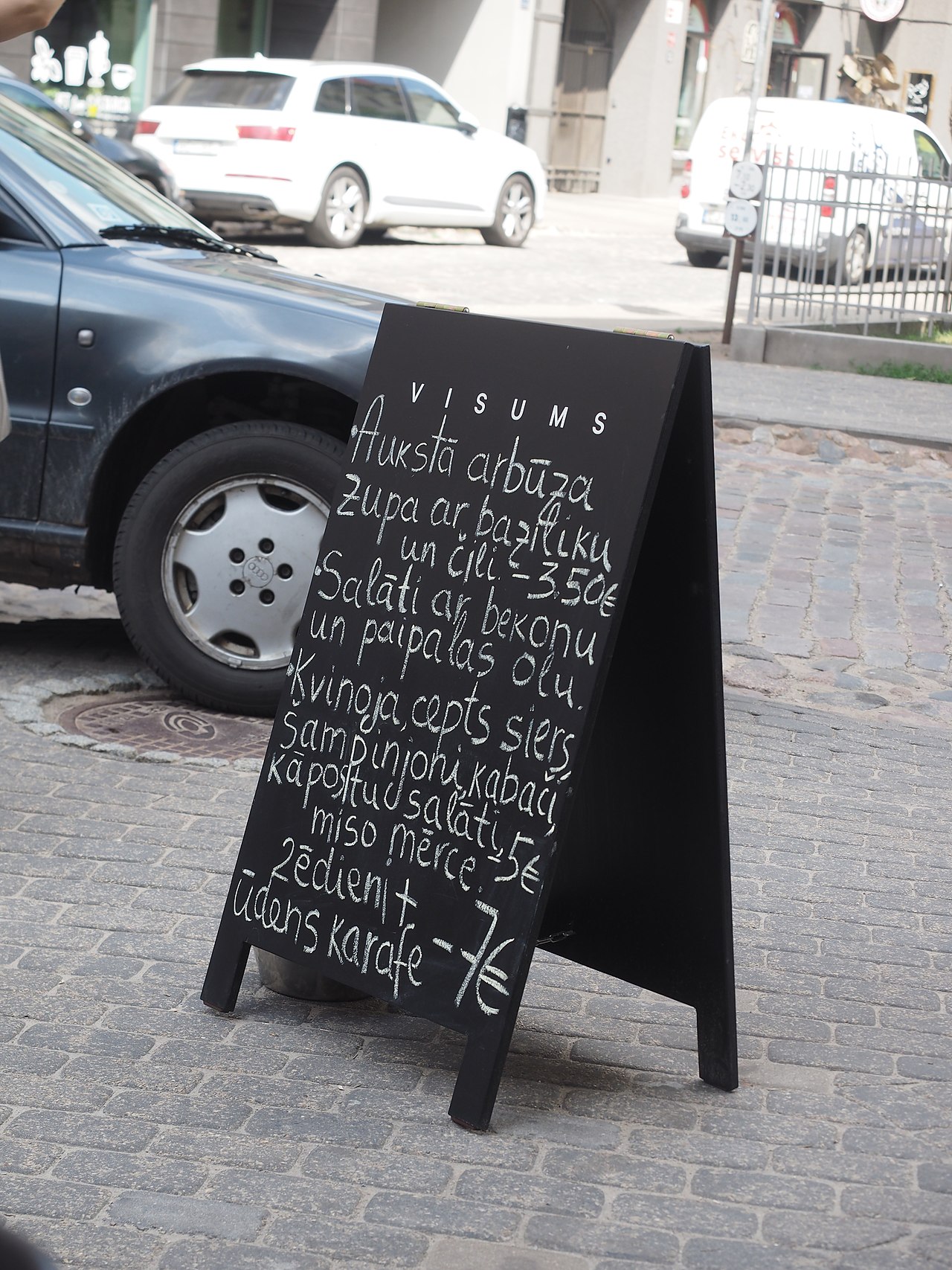
Lunch can be served cold—such as bread with spreads, sandwiches, salads and fruit—or hot, with cooked dishes close to a full meal. Workplaces, schools and markets shape how people obtain lunch: many bring a packed meal in a lunchbox, gather in a common dining area, or buy food from a restaurant.
Social and cultural role
In addition to nutrition, lunch often functions as a social pause. People who go to school or work regularly coordinate breaks to eat together, which can reinforce routines and social bonds. In some regions lunch is the largest or most important meal of the day and may be followed by a rest period.
History and development
The concept of a midpoint meal evolved with daily schedules and food availability. Historically, agricultural and industrial timetables influenced whether midday eating was a brief necessity or an extended communal meal. Urbanization and modern work patterns continue to reshape typical lunch length and content.
Common examples and variations
- Light: sandwiches, soups, salads.
- Hearty: rice- or pasta-based dishes, stews, hot plates.
- Portable: packed lunches, bento boxes, wraps.
Practical notes and distinctions
Choosing lunch often balances convenience, cost and nutrition. Packed lunches allow control over portions and ingredients; buying lunch offers variety and convenience. Whether called lunch, luncheon, or midday meal, the term covers a wide range of practices shaped by culture, occupation and time of day. For further information about lunchtime customs and nutrition, see general meal guides and local food culture resources (noon customs, afternoon meals).
Related articles
Author
AlegsaOnline.com Lunch: the mid-day meal Leandro Alegsa
URL: https://en.alegsaonline.com/art/59926
Sources
- etymonline.com : "Online Etymology Dictionary"