
Albedo (Reflectivity of Surfaces and Planetary Bodies)
Albedo is the fraction of incoming electromagnetic radiation reflected by a surface or body. It affects climate, remote sensing, and planetary observations and varies with wavelength, angle, and surface properties.
Overview
Albedo is a dimensionless measure of how much incoming electromagnetic radiation a surface or object reflects. In everyday contexts it usually refers to sunlight, but albedo applies to any incident radiation. A perfectly absorbing surface has an albedo of 0, while a perfectly reflecting, white surface has an albedo of 1. The term comes from the Latin word albus for "white", and it is widely used in fields ranging from climatology to astronomy. For a general discussion of radiation and visibility see light and optics resources.
Image gallery
7 Images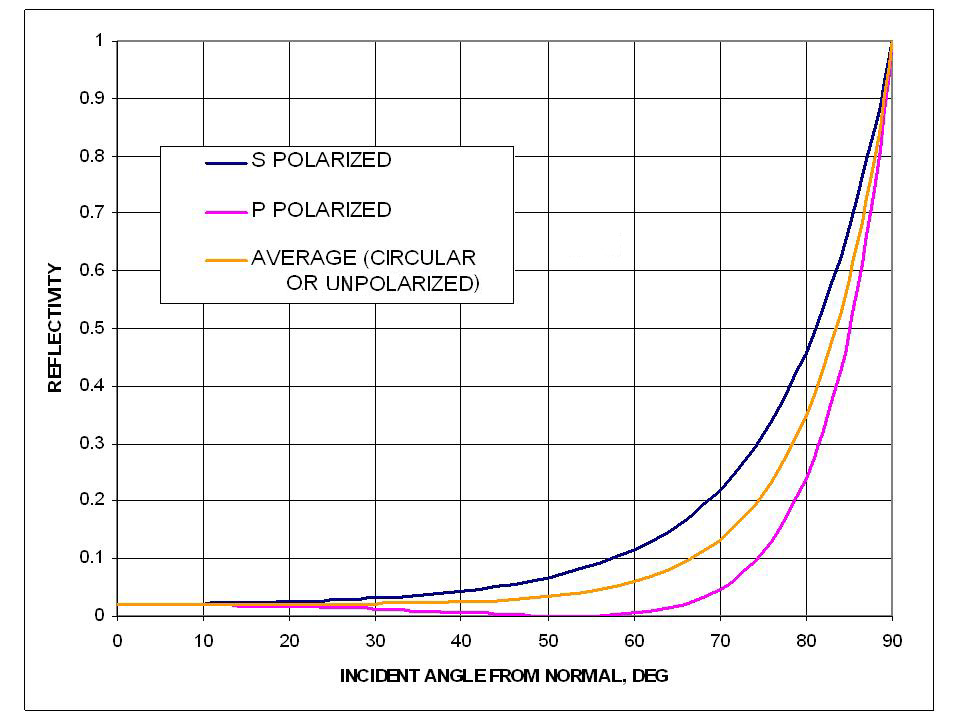


Definition and Types
Albedo is defined as the ratio of reflected to incident radiation. Several specific definitions are used in different disciplines. Geometric albedo describes brightness compared with a flat, fully reflecting, diffusely scattering disk. Bond albedo measures the total fraction of power reflected in all directions and wavelengths, important for energy balance. Spectral albedo gives reflectivity as a function of wavelength. For technical measurements and remote-sensing applications consult measurement guides.
Physical Controls and Measurement
Surface color, texture, and composition strongly influence albedo. Smooth, dark, and matte surfaces tend to absorb more light and have low albedos; bright, rough, or icy surfaces reflect more and have high albedos. Angle of incidence, wavelength, and the presence of vegetation or snow cover change observed values. Instruments on satellites and ground stations measure reflectance; results are often integrated over wavelengths to obtain broadband values. For methods and datasets see remote sensing data.
Examples and Typical Values
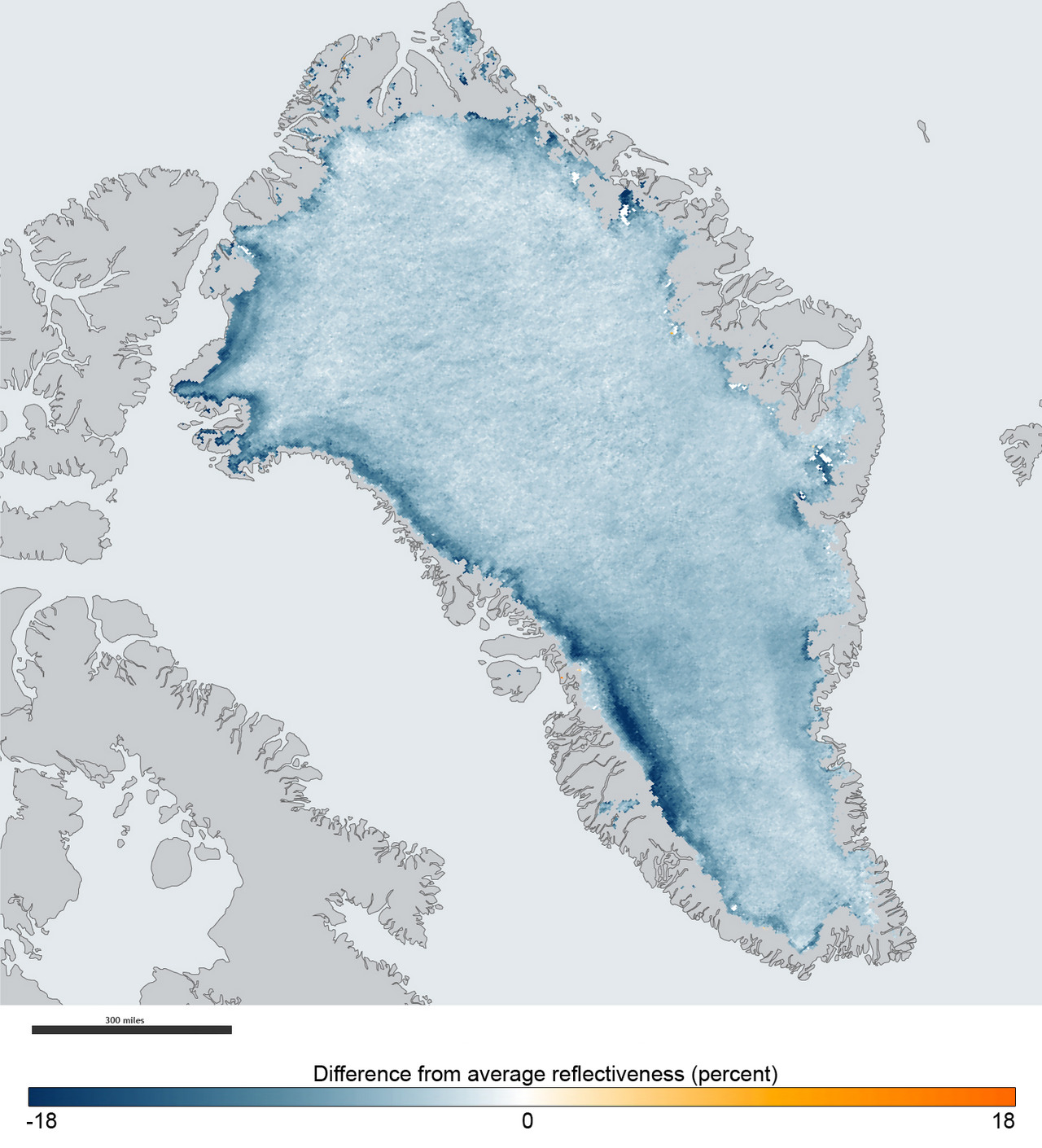
- Fresh snow and ice: among the highest terrestrial albedos, appearing very bright.
- Open ocean: generally low albedo, particularly at low solar angles.
- Forests and soils: intermediate values that vary with moisture and season.
These are approximate categories rather than fixed numbers; local conditions matter. For comparative tables and illustrations see comparative resources.
History, Uses, and Importance
Albedo has long been recognized as a key factor in planetary temperature and climate. In Earth science it contributes to the planet's radiation budget and to feedback processes such as ice–albedo feedback, where melting ice lowers albedo and accelerates warming. In planetary astronomy, albedo helps infer surface composition and atmosphere properties, while engineers use albedo considerations in designing satellites and solar installations. Further reading and educational materials are available at additional references.
Distinctions and Notable Facts
Albedo should not be confused with simple reflectance at a single angle; the directional distribution of reflected light matters. Distinguishing geometric, Bond, and spectral albedos is important when comparing measurements or modeling radiative transfer. Because albedo integrates many physical effects, it is a practical but sometimes blunt tool for diagnosing surface and climate processes.
Related articles
Author
AlegsaOnline.com Albedo (Reflectivity of Surfaces and Planetary Bodies) Leandro Alegsa
URL: https://en.alegsaonline.com/art/2070