
Lunisolar calendar
A calendar system that reconciles lunar months with the solar year by inserting extra months as needed; used historically and today for religious, agricultural, and civil purposes.
A lunisolar calendar is a timekeeping system that uses the phases of the Moon to define months while also keeping those months aligned with the seasons determined by the Sun. In practical terms, it tracks lunar months (lunar months) but ensures that the sequence of months stays roughly synchronized with the solar year (solar years). This hybrid approach preserves the visible rhythm of moons and the seasonal cycle that governs agriculture and many annual celebrations.
Image gallery
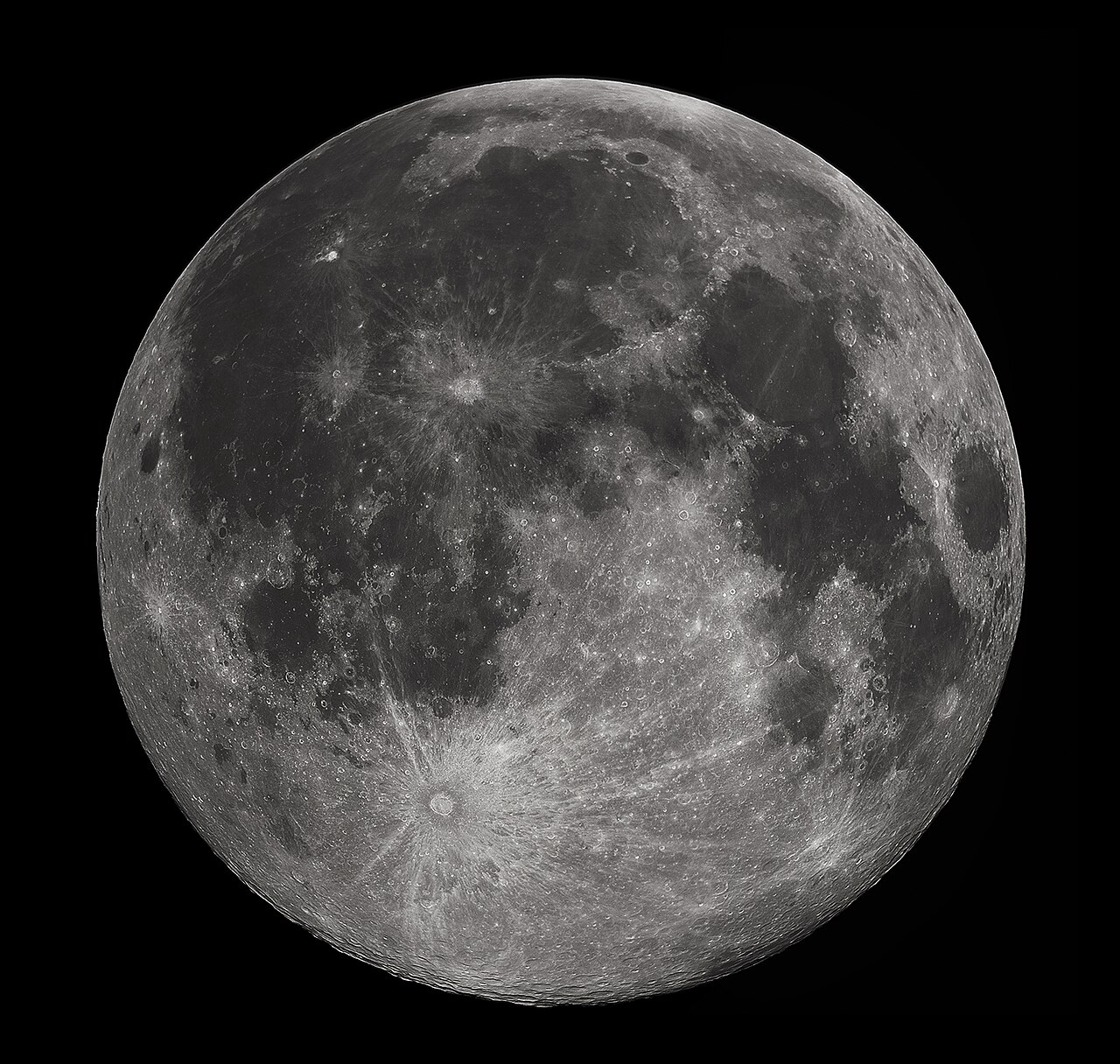
4 Images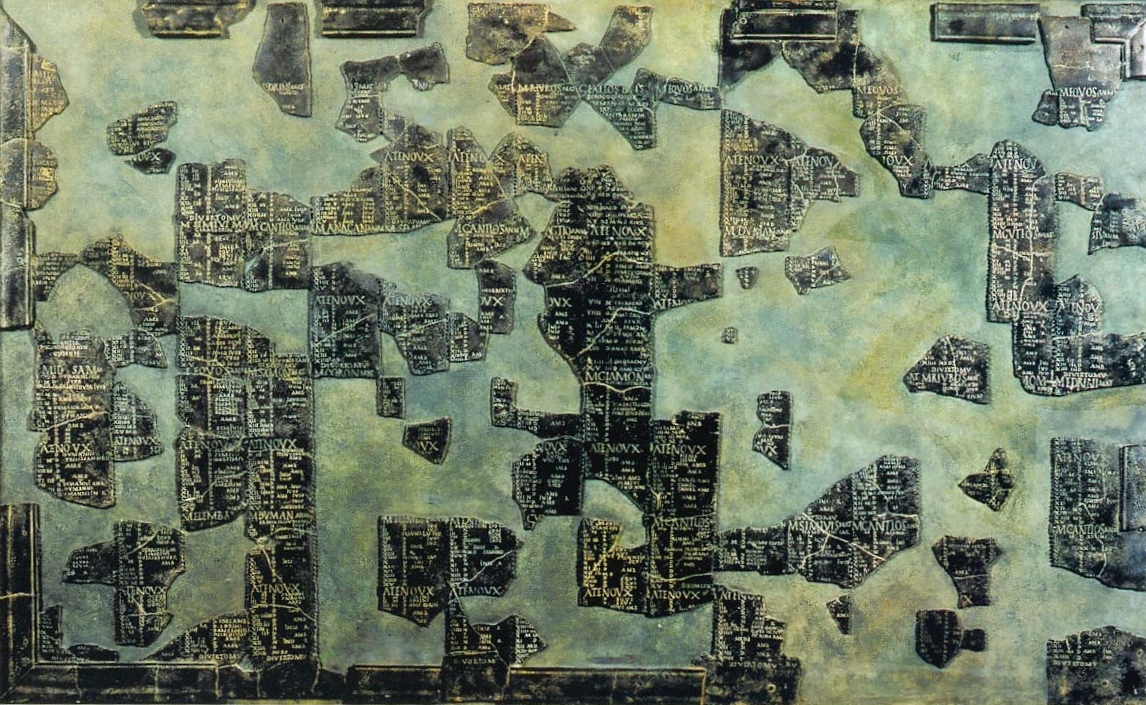


Principles and structure
Most lunisolar calendars have months based on the synodic lunar month (about 29.5 days) and a solar year of about 365.24 days. Twelve lunar months total roughly 354 days, short of a solar year by about 11 days; to correct that gap calendars insert an extra, or intercalary, month at intervals. Well-known methods include the use of multi-year cycles (for example, the Metonic 19-year cycle in classical astronomy) or rules tied to solar markers such as solstices and equinoxes.
History and development
Many ancient societies adopted lunisolar systems because they provided both the regular monthly sequence of lunar phases and the seasonal stability required for planting and ritual. Variants of lunisolar reckoning developed independently across Eurasia and the Near East. Over time, astronomers and calendrical authorities refined the intercalation rules to reduce long-term drift.
Uses and examples
Lunisolar calendars are still used for religious and cultural purposes. Examples include the Hebrew calendar, which adds a leap month in certain years to keep festivals in their proper seasons, and the traditional Chinese calendar, which combines lunar months with solar terms to schedule festivals such as the New Year and Mid-Autumn. Other historical and regional systems—variations of Hindu lunisolar calendars, for example—apply related intercalation practices.
Distinctions and notable facts
- Lunisolar systems differ from purely lunar calendars (like the Islamic calendar) that do not adjust for the solar year, and from purely solar calendars (like the Gregorian) that do not track lunar months.
- Intercalary months are sometimes named or numbered specially (for example, the Hebrew calendar’s Adar I and Adar II) and may be added seven times in a 19-year cycle in some schemes.
- While most modern civil calendars are solar, lunisolar calendars remain important for religious observance, seasonal agriculture, and cultural continuity.
Related articles
Author
AlegsaOnline.com Lunisolar calendar Leandro Alegsa
URL: https://en.alegsaonline.com/art/59949