
Phases of the Moon: cause, names, cycle, and significance
The lunar phases are the changing illuminated shapes of the Moon as seen from Earth across a synodic month (~29.5 days). Causes, phase names, calendar role, eclipses, and notable facts.
Overview
The phases of the Moon are the sequence of changing appearances of the Moon as observed from Earth. They result from the relative positions of the Sun, the Moon, and Earth: the Sun illuminates one half of the Moon at all times, and our vantage point on Earth determines what fraction of that lit hemisphere is visible.
Image gallery
10 Images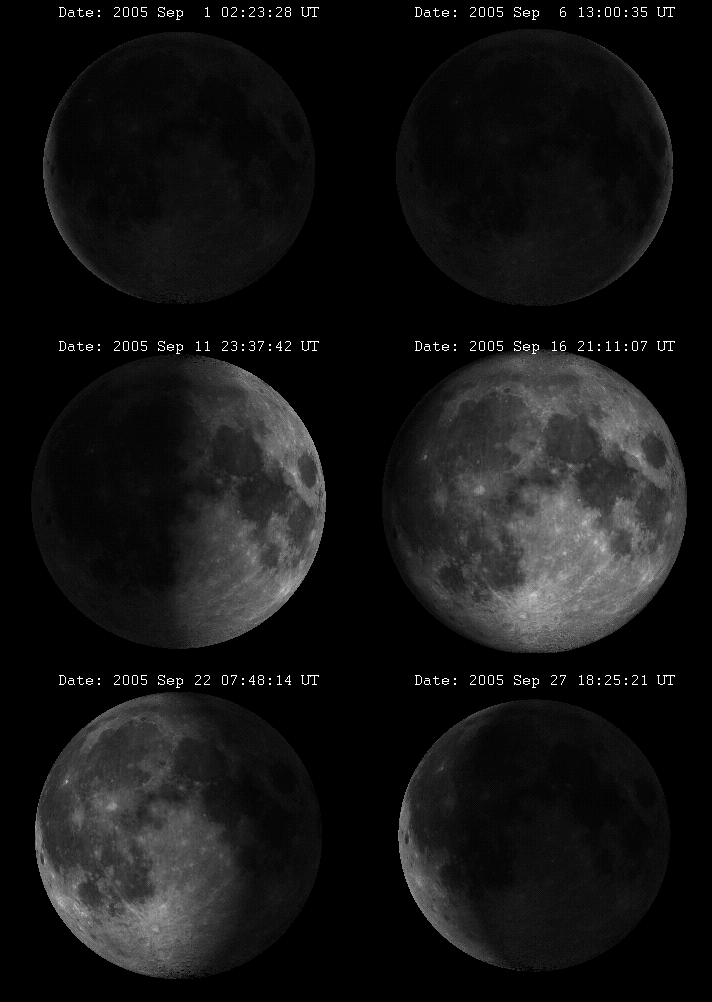




How phases form
As the Moon orbits Earth, the angle between the Sun and the Moon (as seen from Earth) changes. A single complete cycle of phases, the synodic month, averages about 29.53 days. Because the Moon is tidally locked to Earth, the same lunar hemisphere faces us, so phases are variations in how much of that face is lit rather than changes in which face is seen. Illumination changes along the terminator, the boundary between lunar day and night.
Names and sequence of phases
- New Moon — the Moon is between Earth and Sun; its lit side faces away from us.
- Waxing crescent — a sliver of light grows after new moon.
- First quarter — half the visible disk is illuminated.
- Waxing gibbous — more than half illuminated, approaching full.
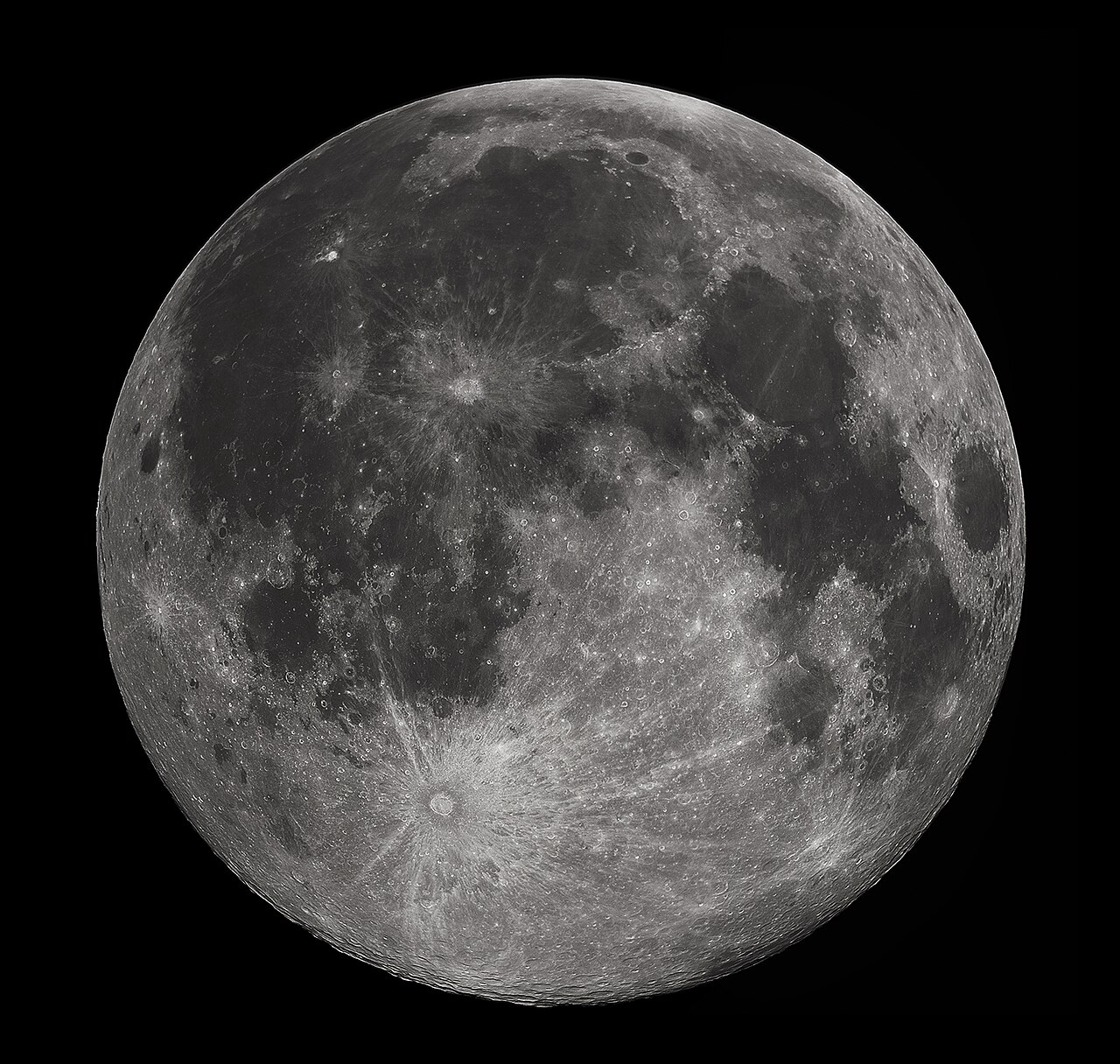
- Full Moon — the full near hemisphere faces Earth and appears fully lit.
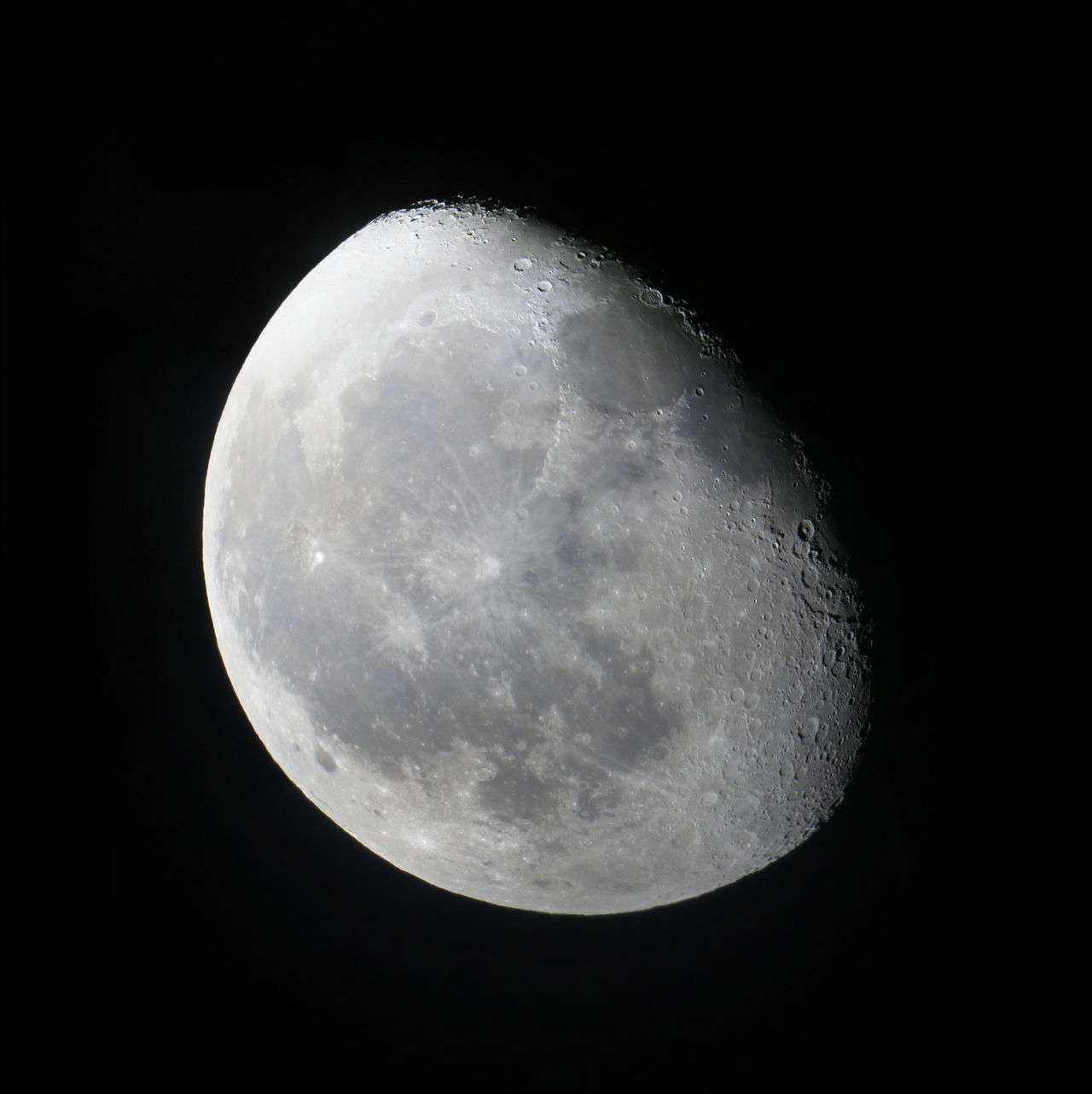
- Waning gibbous — illumination decreases after full moon.
- Last (third) quarter — the opposite half is lit compared with first quarter.
- Waning crescent — a shrinking sliver of light returns to new moon.
Measurement, calendars and eclipses
Different month definitions arise from lunar motion: the synodic month (phase cycle) is longer than the sidereal month (~27.3 days), which measures a full orbit relative to the stars. Phases underpin lunar calendars and traditional timekeeping. Solar and lunar eclipses occur only when the Sun, Earth and Moon align closely near new or full moon, producing shadows that create dramatic but infrequent events.
Cultural and scientific importance
Phases have guided agriculture, religion, and navigation for millennia and remain important in astronomy and spaceflight planning. Observational details such as the changing terminator reveal surface features and topography; small apparent changes in the visible face arise from libration. For general introductions to lunar concepts see the Moon and further resources at educational sites linked here Moon overview.
Notable distinctions
- Phases are an effect of geometry and sunlight, not changes in the Moon's intrinsic brightness.
- The same face faces Earth due to tidal locking, but libration allows slightly more than half the surface to be seen over time.
- Full moons are not required for tides, though lunar position influences tidal strength.
Questions and answers
Q: What are the phases of the moon?
A: The phases of the Moon are the different ways the Moon looks from Earth over about a month.
Q: How is the lit portion of the Moon determined?
A: The half of the Moon that faces the Sun will be lit up.
Q: What are the different shapes of the lit portion of the Moon?
A: The different shapes of the lit portion of the Moon that can be seen from Earth are known as phases of the Moon.
Q: How long does it take for each phase to repeat itself?
A: Each phase repeats itself every 29.5 days.
Q: Why does the same half of the Moon always face the Earth?
A: The same half of the Moon always faces the Earth because of tidal locking.
Q: Do the phases occur over the same half of the Moon's surface?
A: Yes, the phases will always occur over the same half of the Moon's surface.
Q: What is a phase?
A: A phase is an angle of the moon to the earth so it appears differently every day.
Related articles
Author
AlegsaOnline.com Phases of the Moon: cause, names, cycle, and significance Leandro Alegsa
URL: https://en.alegsaonline.com/art/76355
Sources
- skyandtelescope.com : "What's a Blue Moon?"