
Ferrara
Ferrara is a historic city in the Emilia‑Romagna region of northern Italy, noted for its Renaissance urban planning, medieval walls, Este family heritage, and cultural institutions.
Overview
Ferrara is a city in the region of Emilia-Romagna situated in northern Italy. It is a provincial capital with a population of roughly one hundred thirty thousand residents and a compact historic centre known for its well-preserved fortifications and ordered street plan. The city's scale and flat surrounding plain have shaped its economy, transport and local culture.
Image gallery
10 Images



Characteristics and main sights
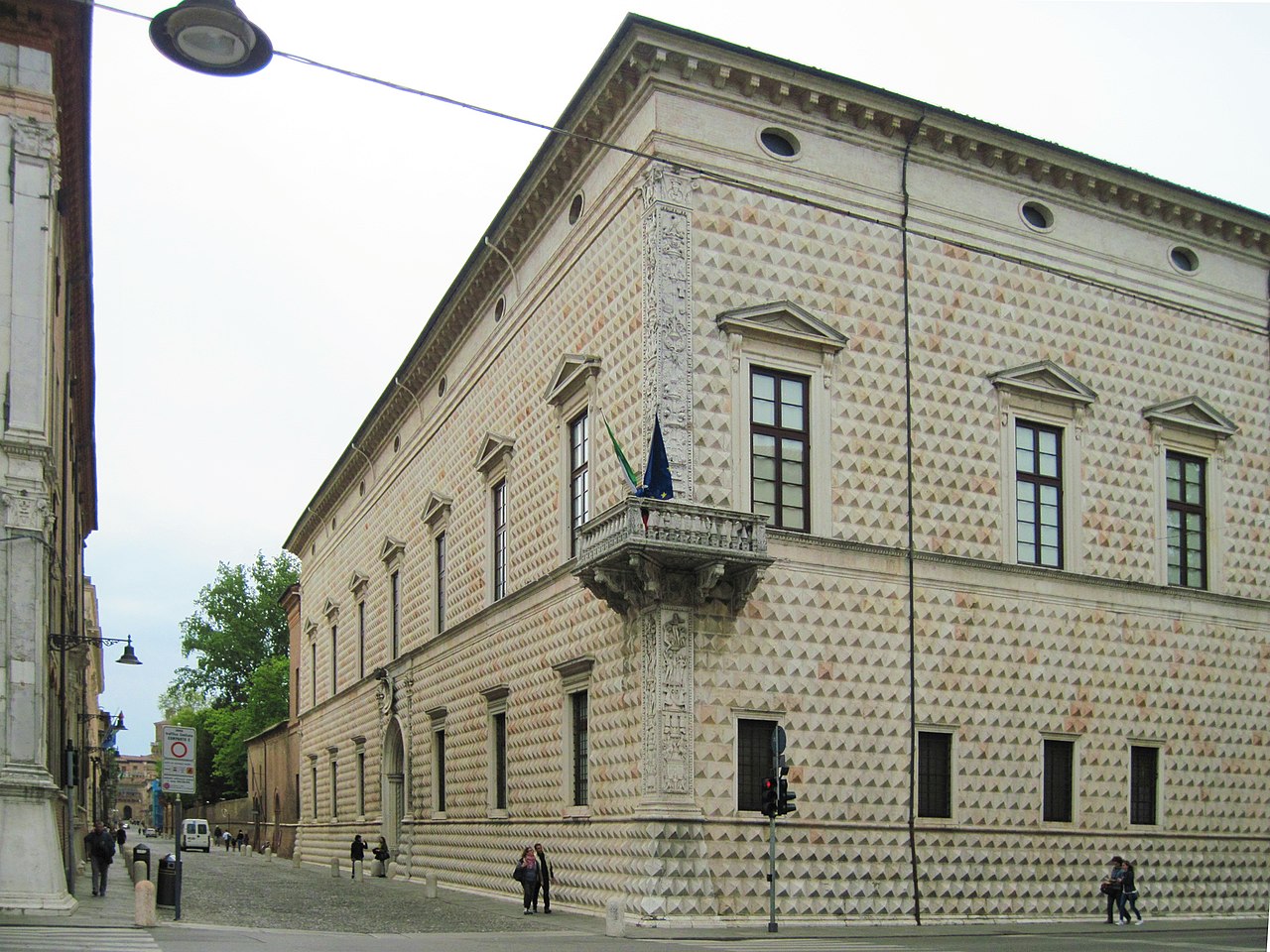
Ferrara's historic fabric mixes medieval and Renaissance architecture. Dominant landmarks include the Castello Estense, a moated fortress at the town's core, and the Palazzo dei Diamanti, famous for its faceted stone exterior. Large sections of the city walls and gates survive, giving Ferrara a distinctive, enclosed silhouette. The urban area is also notable for tree-lined avenues and canals that reflect its role as a regional crossroads.
History and development
From the late Middle Ages into the Renaissance, Ferrara was ruled and shaped by the Este dynasty, whose policies and patronage fostered architecture, the arts and humanist learning; see more on the Este family here. Under the Estes the city grew into an influential cultural centre, with changes to street layouts and public buildings that later drew international attention. Ferrara's compact plan remains an example of Renaissance town planning.
Culture, education and economy
Ferrara hosts an ancient university and a lively cultural scene, including festivals, museums and a literary tradition associated with writers who lived or worked there. The local economy combines agriculture from the surrounding Po plain, light industry and tourism concentrated on the historic core. Cycling is popular locally, aided by the flat terrain and network of lanes.
Importance and notable distinctions
- Ferrara's historic centre and its Renaissance planning are recognized by UNESCO as of outstanding universal value.
- The city contains important examples of medieval and Renaissance civic architecture that attract visitors and scholars.
- Municipal government, cultural initiatives and heritage management continue to shape Ferrara's role in the region; for official information see the municipal portal here.
Visitors often combine museum visits with walks beneath the walls and along the riverfront. Ferrara's compact size makes it accessible on foot or by bicycle, and its blend of history, architecture and living culture explains its lasting appeal.
Related articles
Author
AlegsaOnline.com Ferrara Leandro Alegsa
URL: https://en.alegsaonline.com/art/34076