
Ludvík Svoboda — Czechoslovak military leader and president
Czechoslovak general and statesman (1895–1979). Veteran of the Czechoslovak Legions in WWI, commander of Czechoslovak forces in the USSR during WWII, and President of Czechoslovakia from 1968 to 1975.
Overview
Ludvík Svoboda (25 November 1895 – 20 September 1979) was a prominent Czechoslovak military officer and politician. He rose from service in the Czechoslovak legions of World War I to command Czechoslovak forces in the Soviet Union during World War II, and later served as President of Czechoslovakia from 1968 to 1975.
Image gallery
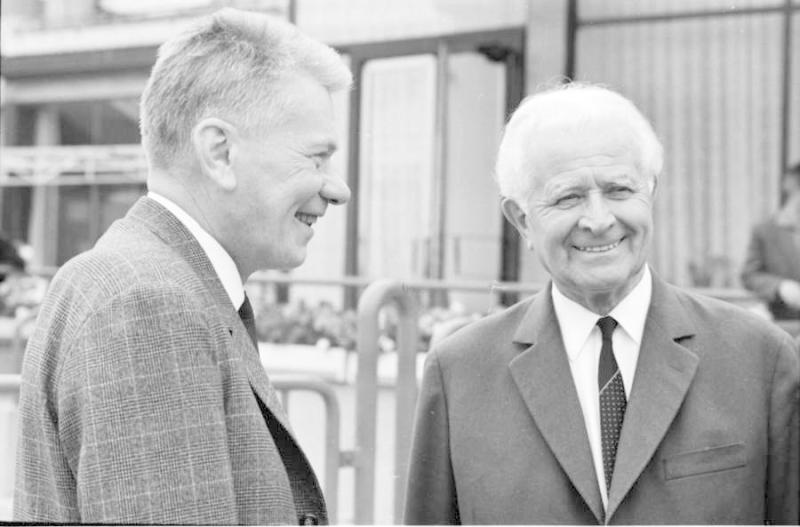
4 Images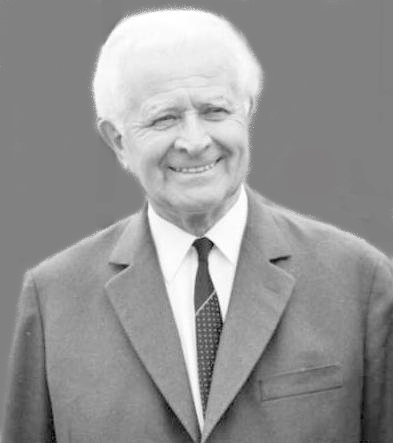


Early life and World War I
Svoboda came of age during the final years of the Austro-Hungarian Empire and joined the movement for Czechoslovak independence. During World War I he served with units commonly referred to as the Czechoslovak Legions in Russia, where many Czech and Slovak volunteers fought to advance the cause of a separate Czechoslovak state. His wartime experience shaped his reputation as a committed military leader.
World War II and military leadership
During the Second World War Svoboda played a leading role in organizing and commanding Czechoslovak military formations that fought alongside the Allies on the Eastern Front. He became associated with the formation known as the 1st Czechoslovak Army Corps in the USSR, which took part in combat operations against Nazi Germany. His wartime command reinforced his status as one of the principal Czechoslovak military figures of his generation.
Presidency and 1968
In 1968 Svoboda was chosen as a compromise candidate for the presidency amid the political upheaval of the Prague Spring. His term coincided with the Warsaw Pact invasion of Czechoslovakia in August 1968 and the ensuing period of "normalization." Svoboda was seen by many as a national symbol who sought to balance pressure from Soviet authorities with domestic calls for greater reform; his presidency ended in 1975.
Legacy and notable facts
- Widely regarded for his long military career and his role in both world wars.
- Remembered as a figure who bridged pre‑war independence movements and post‑war Czechoslovak politics.
- Subject of historical debate for his decisions during and after the 1968 invasion.
For a concise biographical summary and references to primary sources, see further reading on Svoboda. His life is often discussed in studies of Czechoslovak military history and the political transformations of Central Europe in the mid‑20th century.
Related articles
Author
AlegsaOnline.com Ludvík Svoboda — Czechoslovak military leader and president Leandro Alegsa
URL: https://en.alegsaonline.com/art/59777