
1516 (year)
Overview of the year 1516: key political changes, major cultural and religious works, notable births and deaths, and the year's place in early 16th‑century European history.
1516 was a year of important political transitions and intellectual activity in early 16th‑century Europe. Monarchic succession, church politics, and the flourishing of humanist scholarship shaped developments that would influence the century that followed. Events of 1516 illuminate the interplay between emerging centralized states, the papacy, and Renaissance learning.
Image gallery
5 Images



Political and diplomatic developments
In several European realms 1516 marked shifts in royal authority and international relations. The death of an older generation of rulers led to successions that consolidated dynastic claims and set the stage for later conflicts among major houses. Diplomacy and concordats continued to regulate the balance between secular rulers and papal power, with agreements that affected church appointments and revenues within kingdoms.
Intellectual and religious life
The year saw significant publications that contributed to the intellectual ferment of the Renaissance and the years leading up to the Reformation. Humanist writers and scholars produced texts in Latin and the vernacular that circulated widely among educated readers. Notably, a critical edition of the Greek New Testament appeared, providing scholars with a renewed basis for biblical study and translation. At the same time, Thomas More's work imagining an ideal commonwealth appeared, offering a sharp critique of contemporary social and political arrangements.
Exploration, governance, and colonial administration
European expansion overseas continued to require new administrative structures. Colonial authorities and crowns adjusted laws and governance arrangements as they dealt with the consequences of exploration, commerce, and settlement in the Americas and elsewhere. These developments slowly produced frameworks for imperial rule and economic exploitation that would evolve through the 16th century.
Notable births and deaths
- Births: Among the year’s births was Mary Tudor, later Queen of England, whose life and reign would become a central feature of Tudor history.
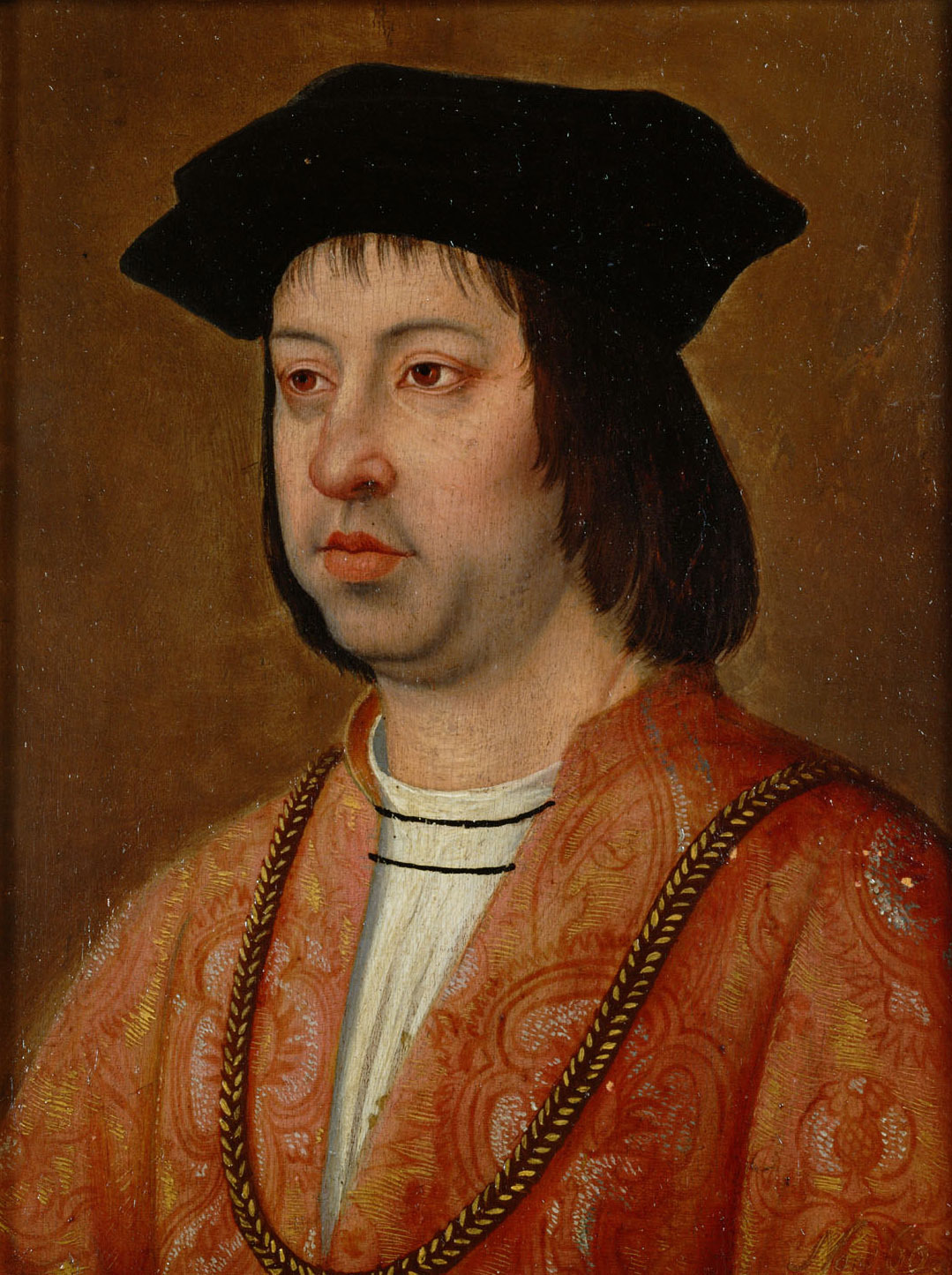
- Deaths: The death of a significant Iberian monarch in 1516 brought an end to an era and led to the accession of his successor, marking a dynastic transition with long-term consequences for Spain and its overseas possessions.
Overall, 1516 can be seen as a hinge year that combined the consolidation of monarchical power, negotiated settlements with the papacy, and the production of influential humanist texts. These elements together shaped religious debate, state formation, and intellectual currents that became decisive later in the 16th century.
Related articles
Author
AlegsaOnline.com 1516 (year) Leandro Alegsa
URL: https://en.alegsaonline.com/art/111440