
Lucy (Australopithecus) — AL 288-1, a landmark early hominid fossil
Lucy (AL 288-1) is a well-preserved Australopithecus afarensis specimen discovered in Ethiopia in 1974. Her anatomy shows habitual bipedalism combined with small brain size, reshaping views of human origins.
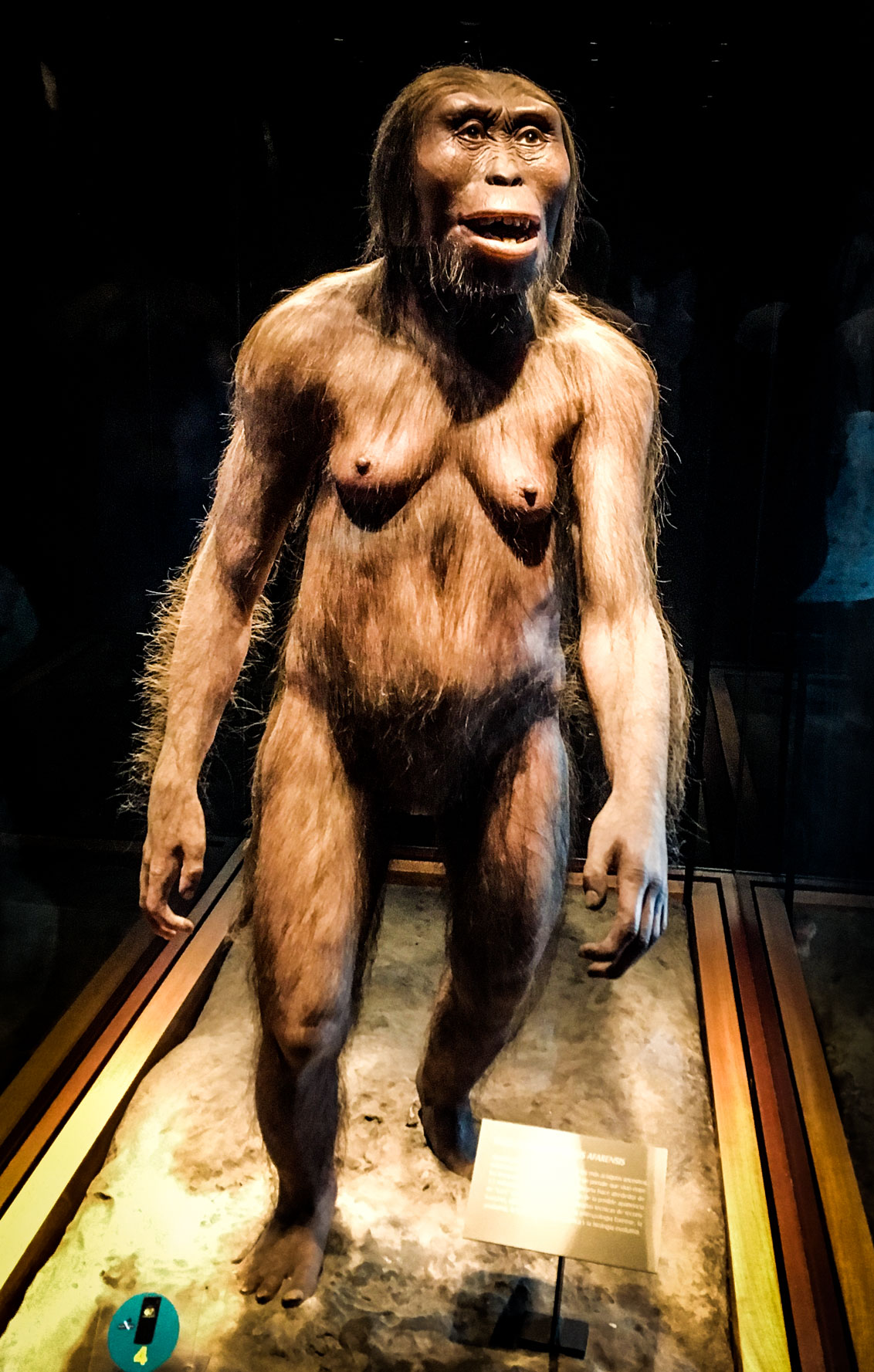
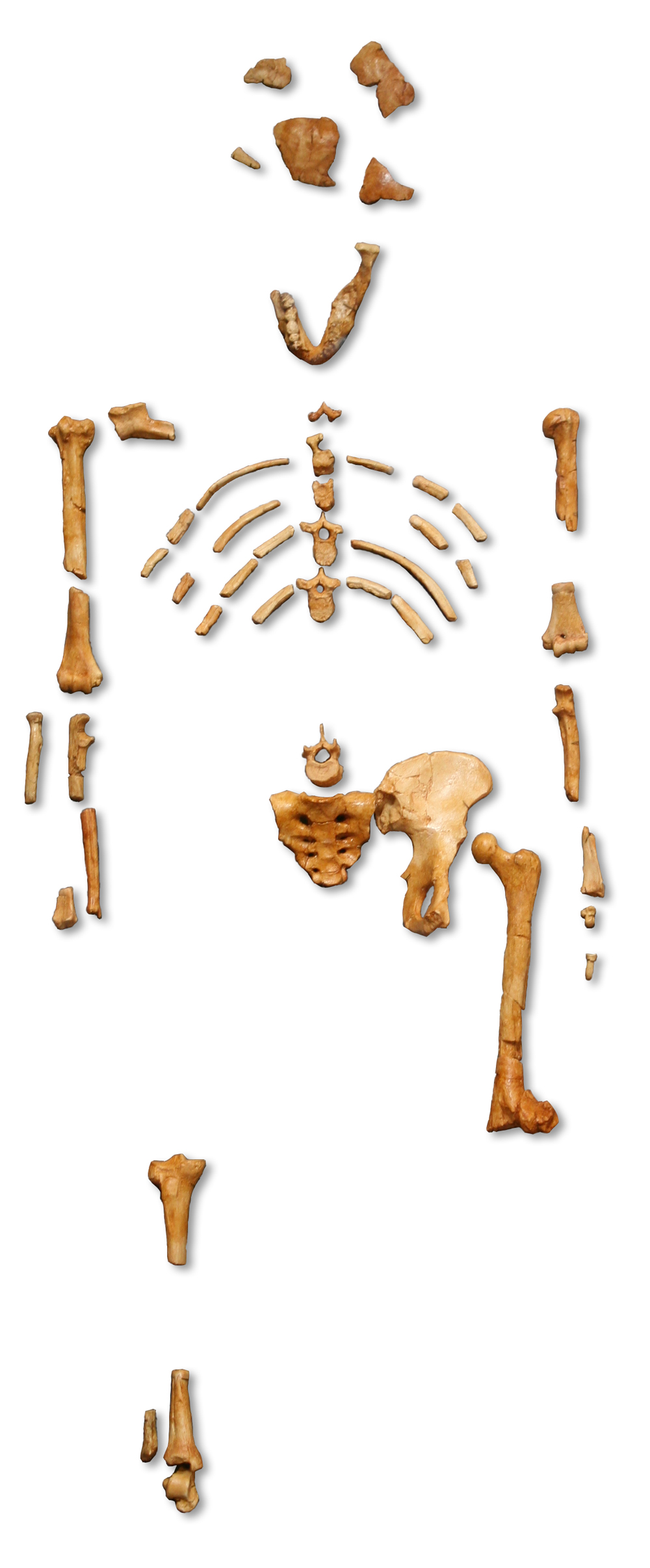
Lucy is the nickname given to the fossil specimen catalogued as AL 288-1, one of the most important early hominid finds of the 20th century. Discovered in 1974 in the Hadar region of the Afar Depression, she belongs to the species Australopithecus afarensis and has been dated to roughly 3.2 million years ago. The remains consist of several hundred bone fragments representing about forty percent of a single adult individual and are widely interpreted as the partial skeleton of a female.
Image gallery
9 Images



Anatomy and preservation
The preservation of Lucy is notable because it preserves parts of the skull, pelvis, legs, spine and arms, allowing reconstruction of posture and locomotion. Her cranium is small and apelike in overall capacity, a feature often described as an ape-like cranial capacity, while aspects of the lower skeleton—most importantly the shape of the pelvis and the orientation of the femur—indicate a habitual upright gait. At the same time, long forelimbs and curved manual phalanges suggest that climbing and some arboreal activity remained part of the locomotor repertoire.
Discovery and context
Lucy was found by a field team led by paleoanthropologist Donald Johanson during systematic excavations in Ethiopia. The nickname "Lucy" was inspired by a popular song played at the camp when the team celebrated the discovery. The age assigned to the specimen comes from dating of the volcanic layers and sediments that bury the site, using standard radiometric and stratigraphic techniques common in East African paleoanthropology. The find was quickly recognized as significant because it linked bipedal anatomy with an otherwise small-brained hominid.
Significance for human evolution
Before Lucy, the sequence of changes in early human evolution was debated; her combination of locomotor and cranial traits strongly supported the view that upright walking evolved before major increases in brain size. This idea—that bipedalism preceded substantial cerebral enlargement—helped reorient explanations of adaptive changes in the hominid lineage, and it remains a central point in discussions of early hominid biology and behavior. Lucy is classed among early hominids or hominins in the broader sense, a term related to hominid research and classification.
Key features and ongoing debates
- Pelvis and hip joint: morphology consistent with weight-bearing bipedal gait.
- Femur and knee: angles and articulations show adaptations for efficient upright walking.
- Cranium: small braincase compared with later Homo species, underscoring that larger brain size was not yet present (brain size increase occurred later).
- Upper limb proportions: relatively long arms and curved fingers indicate retained climbing ability, prompting discussion about how arboreal and terrestrial behaviors were balanced.
Researchers continue to study Lucy and other A. afarensis material to refine interpretations of locomotion, growth, sexual dimorphism and ecological adaptation. Reexaminations of fracture patterns, wear, and comparative anatomy have occasionally spurred new hypotheses, but the basic conclusion—that Lucy demonstrates early bipedalism in a small-brained hominid—remains influential.
Beyond its scientific importance, Lucy became a powerful cultural symbol, bringing public attention to human origins and the process of paleoanthropological discovery. Replicas and casts of AL 288-1 are displayed worldwide, while the original remains are regarded as a national treasure of the country where they were found. For further background on the fossil record, fieldwork and the species to which Lucy belongs, consult introductory resources on Australopithecus afarensis and general discussions of bipedalism in early hominins, or primers on hominid evolution represented in broader literature (Afar Depression, regional geology and paleoenvironment), comparative anatomy (cranial and postcranial traits) and evolutionary sequence (brain and body changes).
Lucy remains central to teaching about human evolution and to debates about how early hominins lived and moved. New finds and methods continue to refine the picture first illuminated by AL 288-1, and her discovery still exemplifies how an incomplete skeleton can transform scientific understanding.
Related articles
Author
AlegsaOnline.com Lucy (Australopithecus) — AL 288-1, a landmark early hominid fossil Leandro Alegsa
URL: https://en.alegsaonline.com/art/59747
Sources
- asu.edu : "Instutute of Human Origins"
- bbc.co.uk : "Mother of man - 3.2 million years ago"