
Malakunanja II (Madjedbebe) — Rock shelter and early human site in Australia
Malakunanja II, also called Madjedbebe, is a rock shelter in Arnhem Land, Northern Territory, Australia, with archaeological layers indicating human presence at least ~59,000–65,000 years ago.
Overview
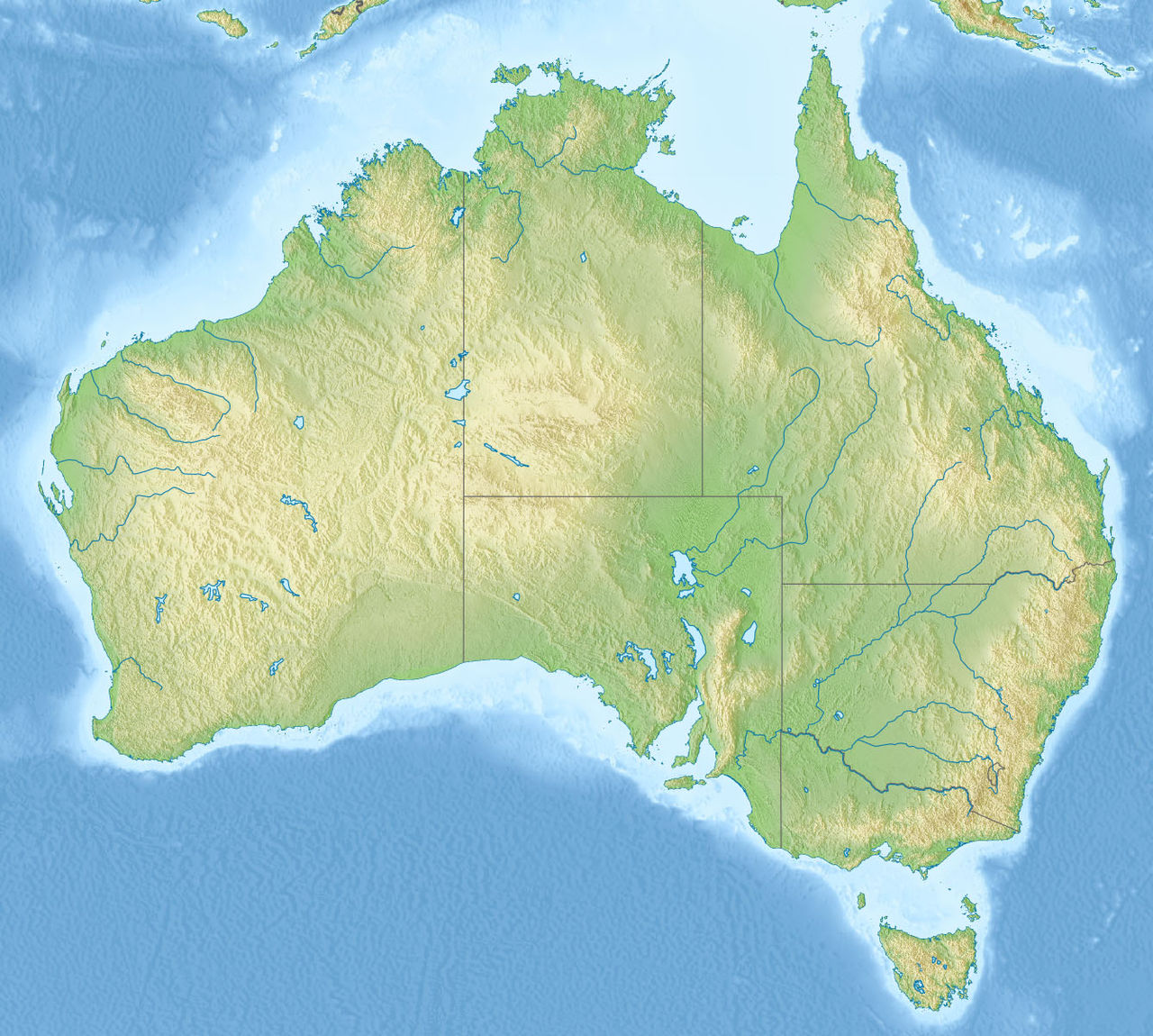
Malakunanja II, commonly referred to by its Aboriginal name Madjedbebe, is a shallow rock shelter in Arnhem Land in the Northern Territory of Australia. Located roughly 50 kilometres from the modern coastline, it has attracted international attention because deep, well‑preserved deposits have yielded evidence of human occupation early in Australia’s prehistory.
Image gallery
2 Images
Archaeology and dating
Excavations at the shelter exposed a sequence of sediment layers more than 2.5 metres deep. Multiple dating techniques, most notably optically stimulated luminescence (OSL) applied to sand grains in situ, produced ages that place the earliest human activity at the site tens of thousands of years ago. Research published in 2017 reported occupations beginning around 65,000 years ago, with a conservative minimum age often cited near 59,300 years. These results have helped shape debates about when people first colonised the Australian continent.
Finds and features
The site has produced a large assemblage of cultural material. Archaeologists recovered more than 1,500 artefacts, including stone tools and flakes, ground and flaked stone artefacts, and grinding stones. Charcoal fragments and burned material indicate repeated hearth use. Pigment fragments and ground pieces of ochre were common, suggesting pigment processing and possibly symbolic behaviour. The shelter walls also contain faded pigments and paintings, executed with natural mineral pigments and protected by the overhang.
Significance and interpretation
Malakunanja II is significant because it provides one of the clearest chronologies for early human presence in Australia and evidence for sustained use of coastal and inland resources over long periods. The combination of tools, pigment use, hearths and long stratigraphic sequences supports interpretations of complex lifeways and repeated occupation rather than a single short visit. The site contributes to broader discussions about migration out of Africa, sea crossings into Sahul, and adaptations to diverse environments.
Cultural and scholarly context
The shelter lies within lands traditionally owned and managed by Aboriginal peoples of the region. It is treated as both an important scientific resource and a place of cultural heritage. While the chronology and implications from Malakunanja II have been influential, some aspects remain subjects of scholarly discussion, including details of stratigraphic integrity and the precise interpretation of early tool types. Ongoing work continues to refine the record and to integrate archaeological findings with Aboriginal knowledge and stewardship.
Further reading and resources
- Site summaries and general overviews are available through regional heritage authorities and academic publications: Arnhem Land resources.
- Scientific reports and dating method summaries have been published in peer‑reviewed journals and specialist volumes: see summaries at Northern Territory research and national archaeology portals Australia research.
- Information on pigment use and ochre traditions: ochre and pigment studies.
Related articles
Author
AlegsaOnline.com Malakunanja II (Madjedbebe) — Rock shelter and early human site in Australia Leandro Alegsa
URL: https://en.alegsaonline.com/art/60935
Sources
- aboriginalartonline.com : "How old is Australian Rock Art?"
- doi.org : 10.1016/j.jhevol.2015.03.014
- pubmed.ncbi.nlm.nih.gov : 25957653