
Mohenjo-daro: major city of the Indus Valley civilization
Mohenjo-daro, a principal urban centre of the Indus Valley civilization in Sindh (Pakistan), is noted for planned streets, public bathing, undeciphered script and its UNESCO-protected archaeological remains.
Overview
Mohenjo-daro was one of the largest urban settlements of the ancient Indus Valley cultural sphere. Situated in the broad river plain of South Asia, it emerged in the third millennium BCE and became a major centre of trade, craft production and civic life. Scholars often describe it alongside other early urban traditions to highlight independent processes of urbanization in antiquity: Indus Valley settlement and the wider context of South Asia.
Image gallery
10 Images



Location and setting
The site lies in the modern province of Sindh, within the contemporary state of Pakistan. Its geography placed Mohenjo-daro on routes connecting the Indus River with inland resources and coastal trade. Excavations indicate that the city was occupied during the mature phase of the Indus tradition, beginning around 2600 BCE and continuing for several centuries.
City design and principal features
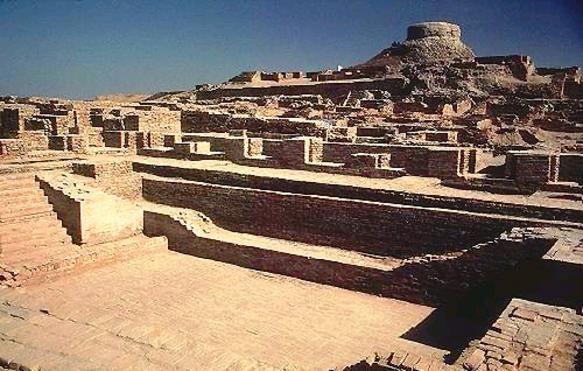
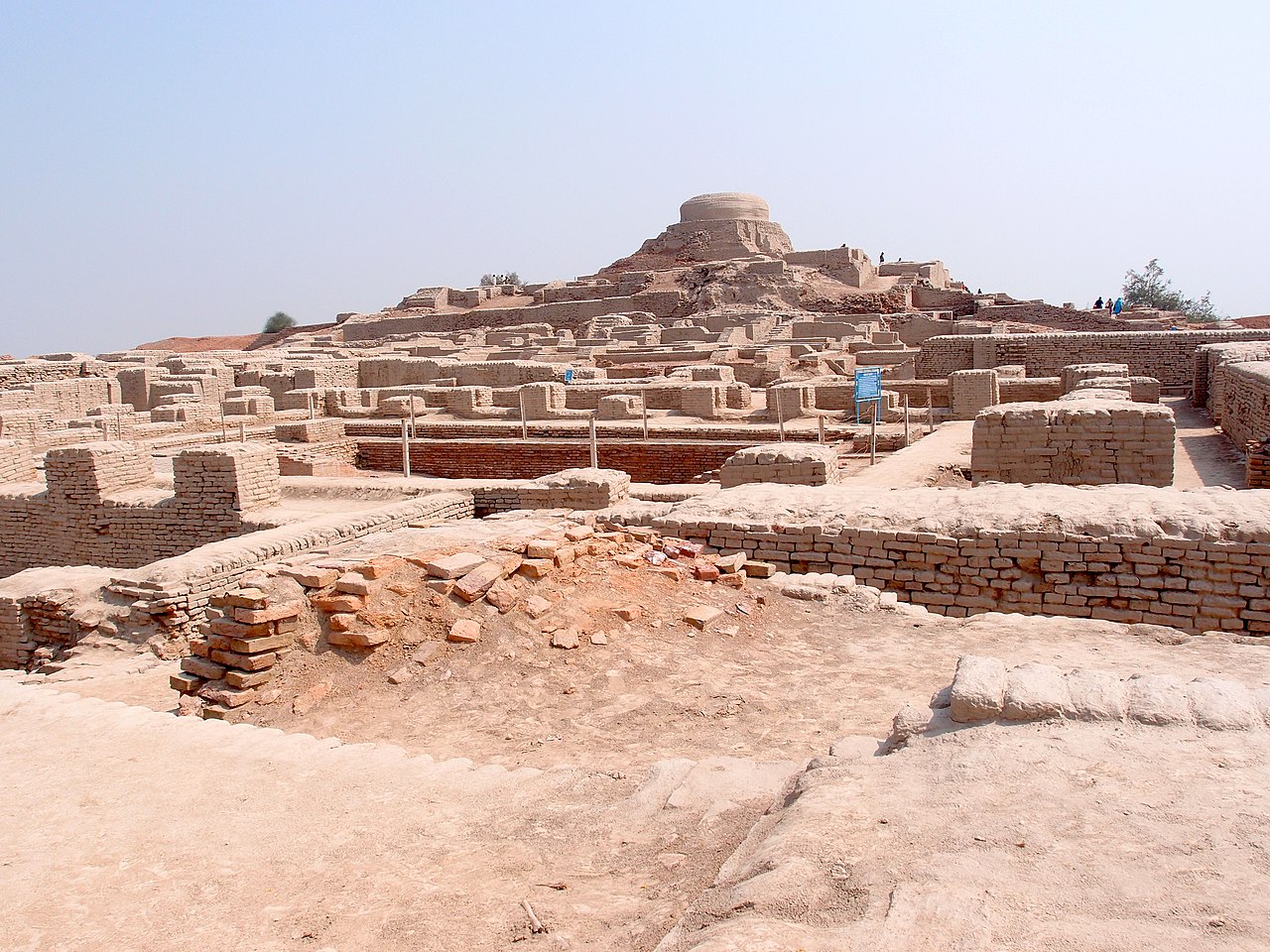
Architectural remains show an organized plan with rectilinear streets, residential blocks and public buildings. Notable elements include a large public bathing structure often called the Great Bath, evidence of sophisticated drainage and wells, and what archaeologists interpret as craft workshops and storage areas. The material culture recovered — seals, pottery, beads and tools — points to extensive craft specialization and long-distance contacts with contemporary cultures such as the contemporary civilizations of ancient times, including Egypt, Mesopotamia and, in later comparisons, the early societies of the Aegean.
Archaeology, script and chronology
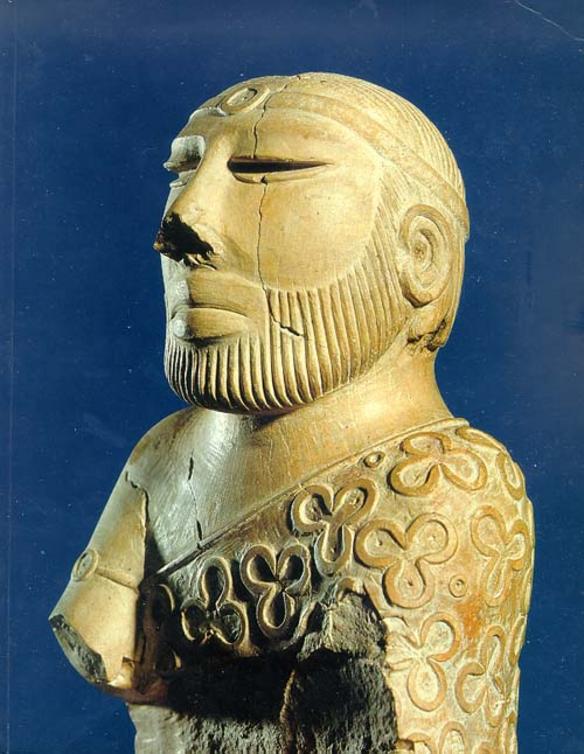
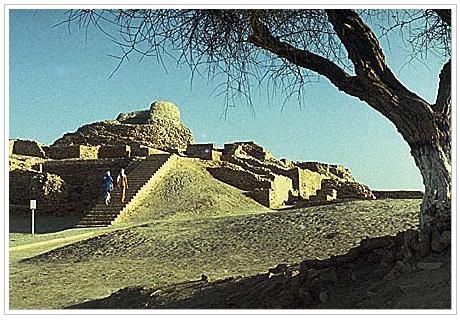
Excavations at Mohenjo-daro produced thousands of small objects and architectural remains that have shaped understanding of the Indus system. The people used a script that remains largely undeciphered, and many aspects of social and political organization are still debated. The visible ruins are a primary source of evidence; they are conserved and presented to the public as archaeological remains (ruins and finds), and the site is recognized internationally as a cultural landmark with a UNESCO designation.
Importance and legacy
Mohenjo-daro is important for several reasons: its antiquity as an early planned city, the scale and preservation of its built environment, and the insight it provides into prehistory in South Asia. The site is a national symbol for Pakistan and an essential reference point in discussions of early urbanism, trade networks, and ancient technologies. Continuing fieldwork and conservation efforts aim to refine the chronology, protect surviving structures and make the site accessible for study and public education.
Key attributes
- Planned urban layout with streets and drainage.
- Monumental public features such as the Great Bath.
- Extensive craft production and long-distance exchange.
- Undeciphered script and ongoing archaeological research.
For further reading, specialist works and museum reports expand on excavations, pottery types, and interpretations of Indus social organization. Conservation challenges remain pressing, and international cooperation continues to support preservation and study of this ancient city.
Questions and answers
Q: What is Mohenjo-daro?
A: Mohenjo-daro is one of the largest city-settlements of the Indus Valley Civilization of south Asia.
Q: Where is Mohenjo-daro located?
A: Mohenjo-daro is located in the province of Sindh in Pakistan.
Q: When was Mohenjo-daro built?
A: Mohenjo-daro was built around 2600 BC.
Q: What is the significance of Mohenjo-daro?
A: Mohenjo-daro is one of the early urban settlements in the world and existed at the same time as the civilisations of ancient Egypt, Mesopotamia and Greece. The archaeological ruins of the city are designated a UNESCO World Heritage Site. In Pakistan, it is one of the national icons of the distant past.
Q: What civilization did Mohenjo-daro belong to?
A: Mohenjo-daro belonged to the Indus Valley Civilization of South Asia.
Q: Why is Mohenjo-daro a UNESCO World Heritage Site?
A: The archaeological ruins of the city are designated a UNESCO World Heritage Site.
Q: What is Mohenjo-daro's significance in Pakistan?
A: In Pakistan, Mohenjo-daro is one of the national icons of the distant past.
Related articles
Author
AlegsaOnline.com Mohenjo-daro: major city of the Indus Valley civilization Leandro Alegsa
URL: https://en.alegsaonline.com/art/65804
Sources
- ancientindia.co.uk : Ancientindia.co.uk.