
Los Lagos Region (X Region) of Chile
Southern Chilean region known for lakes, islands and volcanoes; capital Puerto Montt; four provinces include Llanquihue, Osorno, Chiloé and Palena. Economy: fisheries, aquaculture and tourism.
The Los Lagos Region, officially the X Region and in Spanish known as X Región de Los Lagos, is a coastal and lake-rich area of southern Chile. It is one of the country's administrative regions and part of the southern macro-zone of Chile. The region is noted for its combination of temperate rainforests, volcanic peaks, fjords and a populated archipelago.
Image gallery
5 Images



Geography and environment
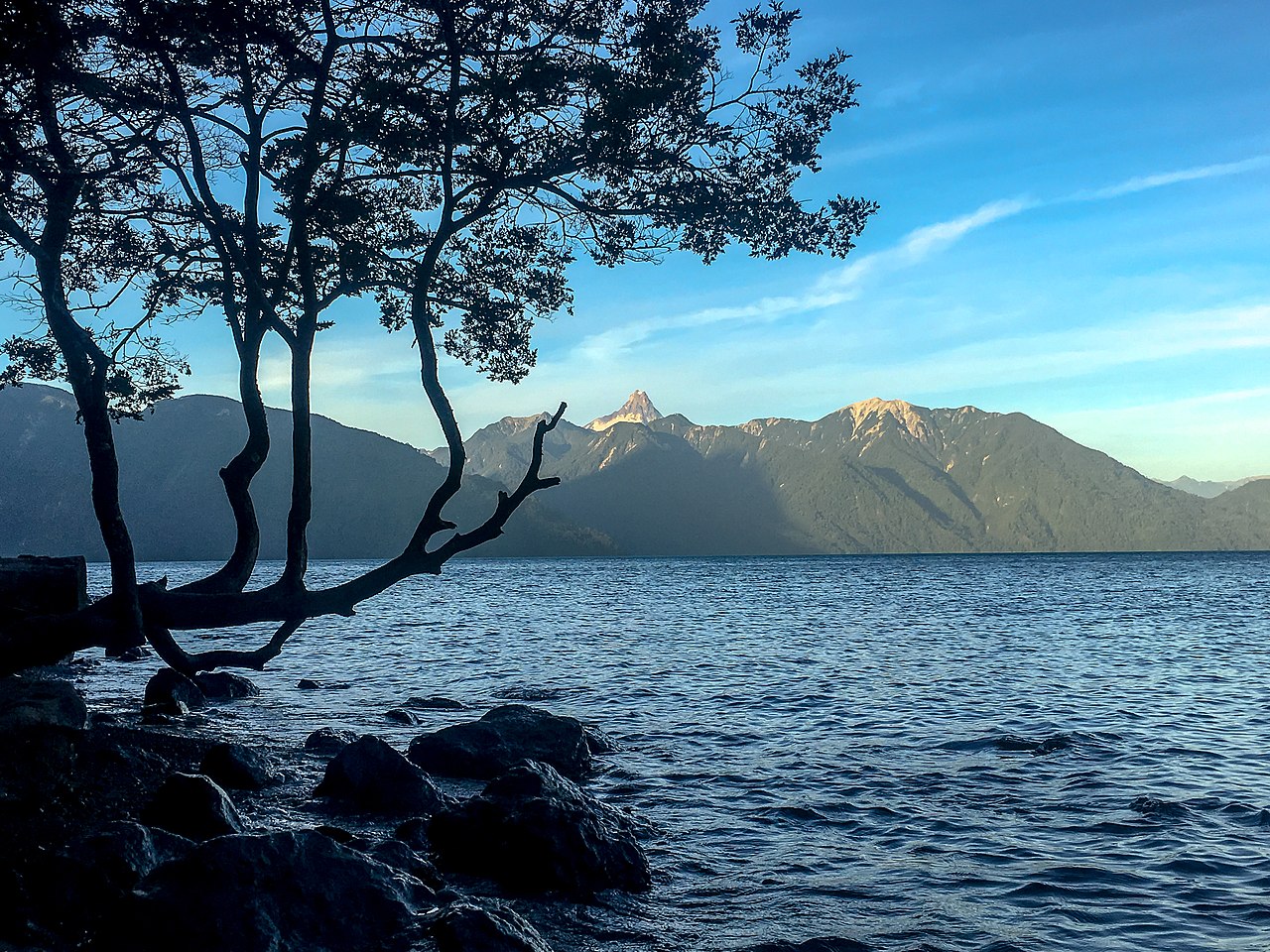
Los Lagos stretches from the eastern Andes to the Pacific coast and includes the Chiloé Archipelago. Major physical features include large glacial lakes (such as Llanquihue), active and dormant volcanoes (for example Osorno), extensive wetlands, and complex coastal channels and fjords. The climate is generally cool and maritime, with abundant rainfall that supports dense forests and rich freshwater ecosystems.
Administrative divisions and principal cities
The region is divided into four provinces. These are:
- Llanquihue
- Osorno
- Chiloé
- Palena
The regional capital is Puerto Montt. Other important towns include Puerto Varas, Ancud, Castro and Frutillar. For a general overview of Chilean regions see regions of Chile and information about the country at Chile. Details on the provinces are available via provincial administrative sources.
Economy and culture
The economy combines agriculture, dairy farming, forestry, commercial fishing and large-scale aquaculture—salmon farming in particular is a prominent export activity. Tourism is important: visitors come for national parks, volcano views, cultural heritage on Chiloé Island and outdoor recreation. The region also retains cultural influences from indigenous Mapuche and Huilliche peoples and from European settlers, especially German-speaking immigrants who shaped architecture and local cuisine.
History and notable facts
Settlement and development have been shaped by maritime routes, colonization of the archipelago and 19th-century immigration. Conservation areas such as Vicente Pérez Rosales National Park protect volcanic landscapes and Andean forests. Palena Province to the south remains among the least densely populated parts of continental Chile, noted for its remote fjords and mountain terrain.
Los Lagos is a region of contrasts—fertile valleys and rugged coastline, populated towns and wild backcountry—making it significant for Chile's economy, biodiversity and tourism.
Related articles
Author
AlegsaOnline.com Los Lagos Region (X Region) of Chile Leandro Alegsa
URL: https://en.alegsaonline.com/art/59310