
Lothian
Lothian is a historic and former administrative region on Scotland's east coast, encompassing Edinburgh and surrounding counties; known for its coastal plain, medieval history, and modern administrative divisions.
Lothian is a historic area on the east coast of Scotland that includes the city of Edinburgh and surrounding countryside. Historically recognized as a single region, Lothian today is commonly referred to in terms of its constituent areas and local councils. For general orientation and maps see the east coast of Scotland.
Image gallery
6 Images
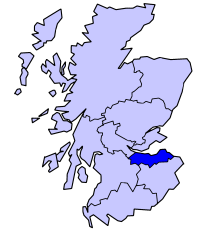


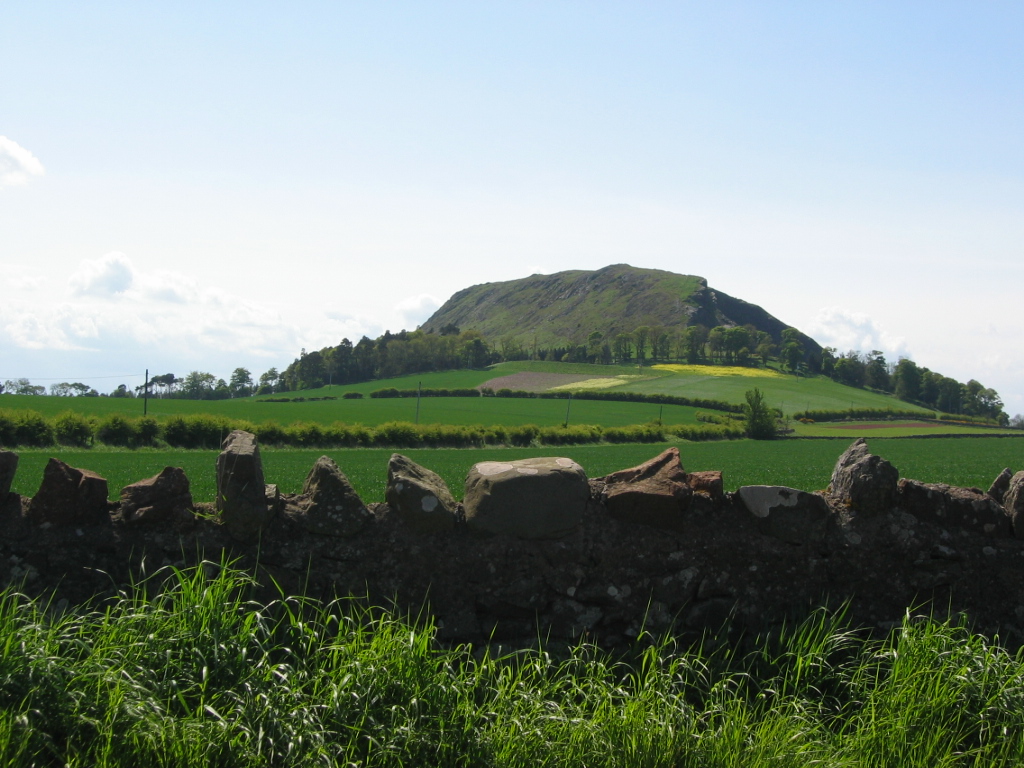

Geography and subdivisions
The landscape of Lothian is dominated by a coastal plain facing the Firth of Forth, rolling farmland, and several small river valleys. Modern references to Lothian usually separate the territory into four principal areas:
- East Lothian — largely rural with coastal towns and agricultural land
- Midlothian — lying inland with a mix of towns and former mining communities
- West Lothian — to the west, combining towns and light industry
- City of Edinburgh — the capital city situated on the northern shore of the Firth of Forth
History and development
The name Lothian is ancient and appears in medieval sources describing the territory south of the Firth of Forth. Its early history involves shifting control between local Brittonic, Anglian (Northumbrian) and Scottish rulers before it became integrated into the medieval Kingdom of Scotland. Over centuries the area grew in political, cultural and economic importance, particularly around the city that became Scotland's capital.
Administrative changes
In recent government history, Lothian was used as the name for an administrative region in the late 20th century. Local government reforms later replaced that regional structure with smaller unitary council areas: East Lothian, Midlothian, West Lothian and the City of Edinburgh. Those council areas now manage local services, planning and education within their boundaries.
Economy, transport and land use
The region combines urban economic activity centred on Edinburgh — including public administration, education, finance and tourism — with agricultural and light industrial activity in the surrounding areas. Transport links are well developed: major roads and railways connect the city to other parts of Scotland and to England, while local transport supports commuting within the former Lothian area.
Culture, landmarks and significance
Lothian contains a dense concentration of historic sites, cultural institutions and annual events, many focused on the capital. Visitors and residents find castles, historic towns, coastal scenery and festival programmes. The area's mixture of urban and rural character has influenced Scottish political, cultural and economic life for centuries and continues to be central to Scotland's identity.
Notable points of interest include:
- Historic and cultural landmarks in the capital and surrounding towns
- Coastal and agricultural landscapes supporting tourism and farming
- Transport corridors that have long linked the Firth of Forth with the Scottish interior
Related articles
Author
AlegsaOnline.com Lothian Leandro Alegsa
URL: https://en.alegsaonline.com/art/59359