
Lot-et-Garonne: department in southwestern France
Lot-et-Garonne is a department in southwestern France named for the Lot and Garonne rivers, noted for agriculture (prunes), historic towns such as Agen, river valleys, and canals that shape its landscape.
Overview
Lot-et-Garonne is an administrative department in the southwest of France, named for the two rivers that cross it. Its name appears in local Romance languages as well — see Occitan traditions — and its prefecture (administrative capital) is the town of Agen. The department lies within the modern region of Nouvelle-Aquitaine and is characterized by mixed lowlands, river valleys and rolling agricultural countryside.
Image gallery
10 Images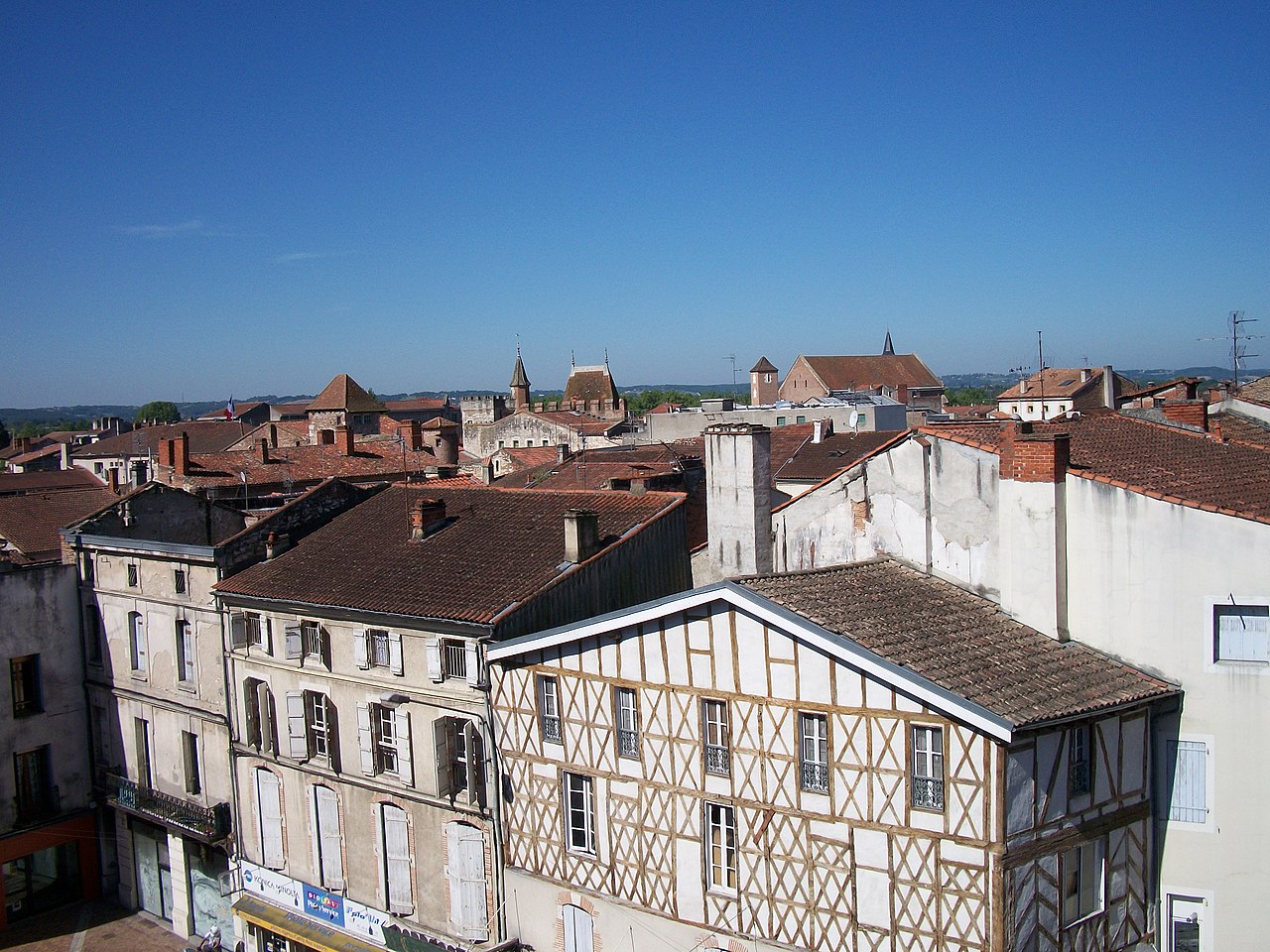


Geography and landscape
The territory is shaped by the Lot and Garonne rivers, whose valleys provide fertile soils and historic transport routes. Waterways and smaller tributaries support irrigation and leisure boating. The network of canals and locks that connects to broader inland waterways is an important physical and cultural feature; for a general introduction to the rivers and their role see the Lot and Garonne rivers.
History and administration
Like other French departments, Lot-et-Garonne was created during the reforms of the French Revolution to replace older provinces. Over time the area has retained features of its medieval and early modern past: market towns, fortified villages and a landscape shaped by centuries of agriculture and river trade. Modern governance is organized around communes and intercommunal councils within the departmental structure.
Economy and culture
Agriculture is central to the local economy. Fruit production, notably plums used for the famous prunes associated with Agen, is widely recognized. Other activities include cereals, sunflower, livestock and small-scale food processing. Tourism draws visitors to historic bastide towns, markets, vineyards and river recreation. Cultural life blends French and regional Occitan influences and local gastronomy is an attraction in its own right.
Major towns and points of interest
- Agen (prefecture) with museums and a historic center.
- Villeneuve-sur-Lot and other market towns that illustrate regional architecture.
- Canal and river routes used for boating, walking and cycling; the canal links broader waterways.
Why it matters
Lot-et-Garonne combines agricultural production, historic settlement patterns and accessible waterways. It exemplifies a rural and small-town part of southwestern France where landscape, food culture and river transport remain interwoven. For administrative context see department resources and broader national information on France.
Related articles
Author
AlegsaOnline.com Lot-et-Garonne: department in southwestern France Leandro Alegsa
URL: https://en.alegsaonline.com/art/59349
Sources
- lotetgaronne.fr : "Le Président"
- insee.fr : "Département de Lot-et-Garonne (47) - Résumé statistique"
- insee.fr : "Populations légales 2014: Recensement de la population - Régions, départements, arrondissements, cantons et communes"
- splaf.free.fr : "Historique de Lot-et-Garonne"
- lotetgaronne.fr : "Histoire"
- weatherbase.com : "Estillac, France - Köppen Climate Classification"
- insee.fr : "Département du Lot-et-Garonne (47)"
- insee.fr : "Régions, départements, arrondissements, cantons et communes"
- insee.fr : "Département du Lot-et-Garonne (47)"
- legifrance.gouv.fr : "Décret n° 2014-257 du 26 février 2014 portant délimitation des cantons dans le département de Lot-et-Garonne"
- habitants.fr : "Lot-et-Garonne (47)"