
Puerto Montt
Puerto Montt is a Chilean port city and regional capital in the Los Lagos Region, known as a commercial and transport hub, center of the salmon and fishing industries, and a gateway to Chiloé and Patagonia.
Puerto Montt is a coastal city in southern Chile that functions as an administrative, commercial and transport hub for the Los Lagos Region. It sits on the Reloncaví Sound at the northern end of the Chilean lake district and serves as a major departure point toward the Chiloé Archipelago and the fjords of southern Chile. As a seaport and urban center, it has long linked inland agriculture and aquaculture with national and international markets.
Image gallery
6 Images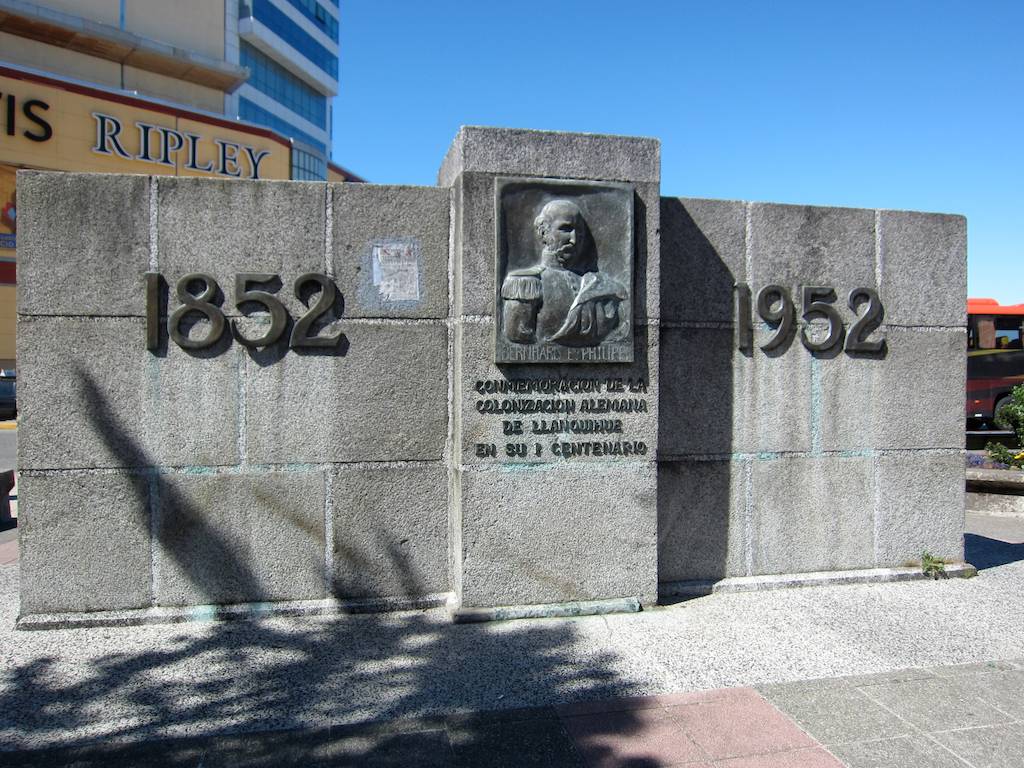


Geography and characteristics
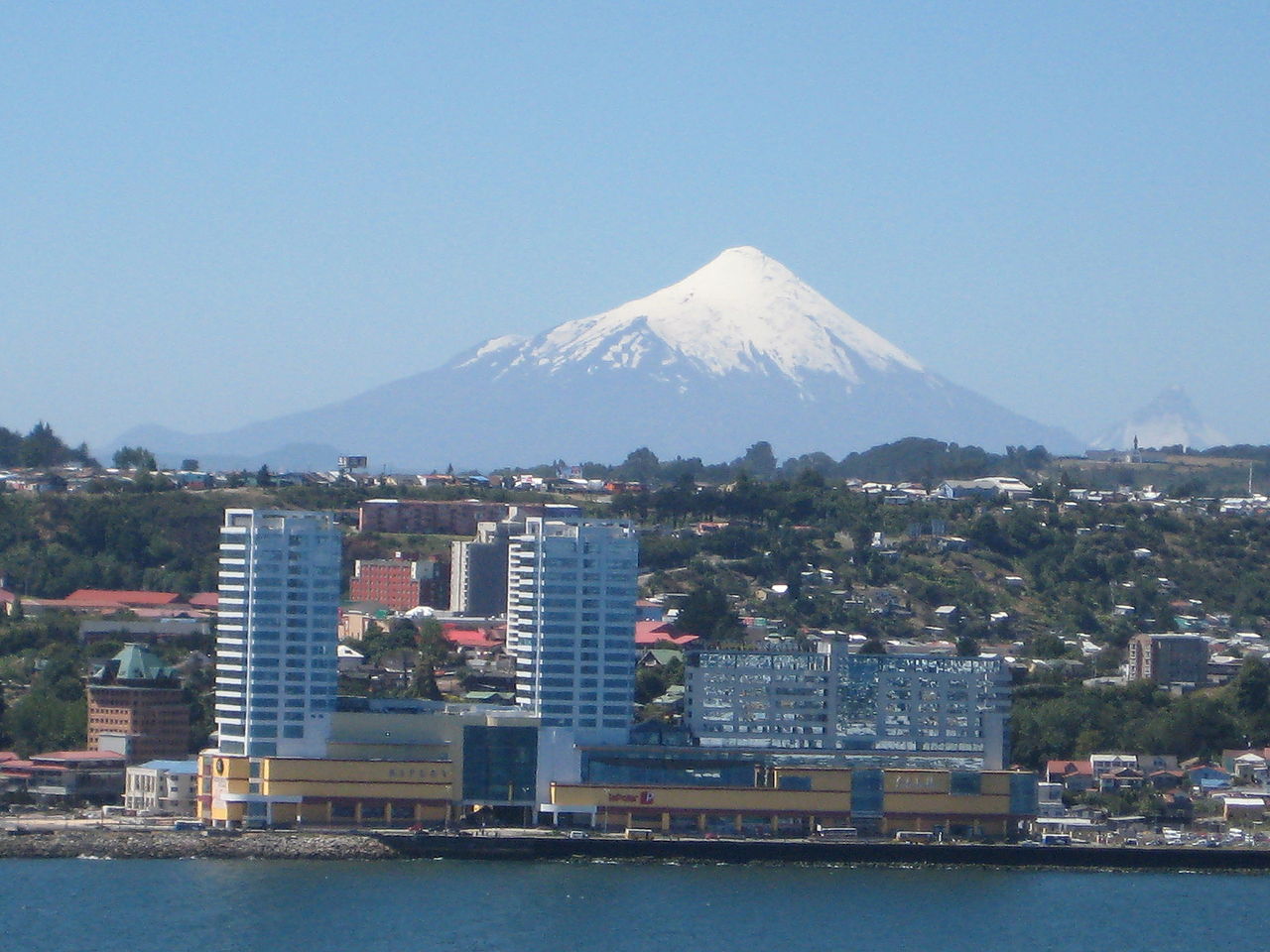
Puerto Montt occupies low-lying coastal terrain with nearby islands, channels and inland lakes. The surrounding landscape includes temperate rainforest, glacially formed lakes and volcanoes visible on clear days. The climate is oceanic to cool-temperate, with relatively mild temperatures year-round and frequent rainfall, which supports dense vegetation and intensive forestry in the wider region.
History and development
The city was established in the mid-19th century during a period of southern colonization and growth in Chile. It was named after a national leader of that era and developed as a port and service center for settlers, indigenous communities and agricultural estates. Over time, Puerto Montt expanded with the arrival of European immigrants and the development of steamship and rail links that integrated the coastal network.
Economy and transport
Maritime activities and seafood processing are central to the local economy. Key sectors include:
- Fishing and aquaculture, particularly salmon farming and seafood processing.
- Port services and shipping linking inland producers to national and export markets.
- Retail, public administration and services that support the surrounding rural economy.
- Tourism-related services serving visitors bound for the lake district, volcanoes and southern archipelagos.
Culture, tourism and notable features
The city blends indigenous Huilliche heritage with influences from European settlers; this mix is reflected in local cuisine, crafts and festivals. Popular urban features include waterfront promenades, artisanal markets and seafood stalls where fresh catches are sold and prepared. Puerto Montt is also a practical base for travelers aiming to reach attractions such as nearby islands, national parks and scenic volcanoes by ferry or road.
Role and demographics
According to earlier official counts the municipality had a population documented in the early 2000s; since then the urban area has grown and modernized, expanding its housing, transport and commercial infrastructure. Today Puerto Montt remains one of southern Chile's primary cities, valued for its strategic port, regional administration and function as a gateway between the Chilean interior and the southern seascape.
Related articles
Author
AlegsaOnline.com Puerto Montt Leandro Alegsa
URL: https://en.alegsaonline.com/art/79954
Sources
- puertomonttchile.cl : "Municipality of Puerto Montt"
- ine.cl : "National Statistics Institute"