
Lutheran Church–Missouri Synod: history, beliefs, and organization
The Lutheran Church–Missouri Synod (LCMS) is a conservative, confessional Lutheran body in the United States, founded in 1847. This article outlines its history, doctrine, structure, institutions, and distinguishing features.
Overview
The Lutheran Church–Missouri Synod (commonly called the Missouri Synod or LCMS) is a conservative, confessional Lutheran denomination in the United States. Founded in 1847 by German‑language immigrants, the synod grew into a nationwide church body with roughly two million baptized members and congregations in every U.S. state and parts of Canada. Its central offices are located in Kirkwood, Missouri, and the organization is a member of the International Lutheran Council rather than the larger Lutheran World Federation.
Image gallery
10 Images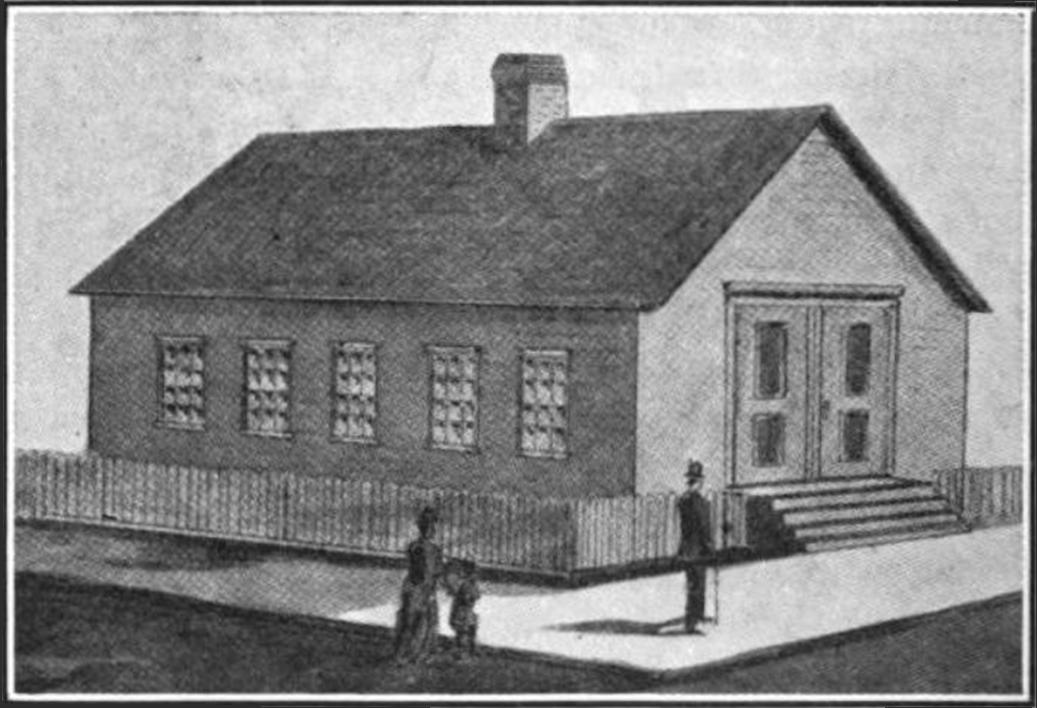


Beliefs and practice
The LCMS identifies strongly with the Lutheran Confessions as contained in the Book of Concord and emphasizes the authority of Scripture in doctrine and life. It is generally described as theologically conservative: it maintains traditional teachings on the sacraments, justification by grace through faith, and the historic roles of ministry. The synod does not ordain women to the pastoral office and upholds traditional stances on contemporary moral questions, positions that distinguish it from more liberal Lutheran bodies.
History and development
The synod began when a group of German immigrant pastors and congregations met in Chicago in 1847, originally naming themselves the German Evangelical Lutheran Synod of Missouri, Ohio, and Other States (Die Deutsche Evangelisch‑Lutherische Synode von Missouri, Ohio und andern Staaten). Early leaders such as C. F. W. Walther shaped its confessional identity and educational priorities. Over the following decades the synod expanded westward and established seminaries and schools. The twentieth century brought internal debates over biblical interpretation and church practice, which shaped its modern institutional and theological contours.
Organization and institutions
The LCMS is organized into regional districts and congregations governed by a synodical convention that meets regularly to set policy and elect leadership; the synod’s president has served multiple terms, with Matthew C. Harrison holding that office since 2010. Education and clergy formation are central to the synod’s work. Two primary seminaries, Concordia Seminary in St. Louis and Concordia Theological Seminary in Fort Wayne, train pastors, and a network of colleges and schools known collectively as the Concordia University System supports higher education and teacher preparation.
Worship, mission, and public life
Worship in LCMS congregations is liturgical and rooted in historic Lutheran rites; many use the Lutheran Service Book and traditional hymnody. The synod maintains domestic and international mission programs, parish ministries, and social service efforts. Its approach to ecumenical relationships is shaped by doctrinal clarity: it engages in dialogue and cooperation where confessional agreement permits, while remaining distinct from bodies with divergent teachings.
Distinctive features and significance
- Confessional emphasis: adherence to the Lutheran Confessions and high view of Scripture.
- Institutional presence: a broad network of congregations, schools, seminaries, and service agencies.
- Geographic concentration: historically strong in the American Midwest and with a notable presence in Missouri and surrounding states, reflecting its origins and migration patterns (Midwestern concentration).
For further information about the synod’s history, doctrine, and ministries, consult denominational resources and historical summaries. The synod’s headquarters are in Kirkwood (Kirkwood, Missouri), and its historical German name is sometimes cited in older documents (Die Deutsche Evangelisch‑Lutherische Synode…).
Questions and answers
Q: What is the Lutheran Church-Missouri Synod?
A: The Lutheran Church-Missouri Synod is a Lutheran denomination in the United States.
Q: How many members does the Lutheran Church-Missouri Synod have?
A: The Lutheran Church-Missouri Synod has 2 million members.
Q: When was the Lutheran Church-Missouri Synod organized?
A: The Lutheran Church-Missouri Synod was organized in 1847.
Q: What was the original name of the Lutheran Church-Missouri Synod?
A: The original name of the Lutheran Church-Missouri Synod was the German Evangelical Lutheran Synod of Missouri, Ohio, and Other States.
Q: In how many U.S. states and Canadian provinces does the Lutheran Church-Missouri Synod have congregations?
A: The Lutheran Church-Missouri Synod has congregations in all 50 U.S. states and two Canadian provinces.
Q: What is the International Lutheran Council?
A: The International Lutheran Council is an organization of confessional Lutheran denominations.
Q: Where are the headquarters of the Lutheran Church-Missouri Synod located?
A: The headquarters of the Lutheran Church-Missouri Synod are located in Kirkwood, Missouri.
Related articles
Author
AlegsaOnline.com Lutheran Church–Missouri Synod: history, beliefs, and organization Leandro Alegsa
URL: https://en.alegsaonline.com/art/60015
Sources
- blogs.lcms.org : "LCMS statistics for 2016: membership down, contributions up"
- lcms.org : "Lutheran School Statistics 2016–2017 School Year"
- blogs.lcms.org : "LCMS congregations report statistics for 2015"
- witness.lcms.org : "Worldwide Partners in the Gospel"
- books.google.com : Ebenezer: Reviews of the Work of the Missouri Synod during Three Quarters of a Century
- ctsfw.net : "Wilhelm Loehe and the Missouri Synod: Forgotten Paternity or Living Legacy?"
- books.google.com : Denkstein zum fünfundsiebzigjährigen Jubiläum der Missourisynode, 1847–1922
- cyclopedia.lcms.org : "Free Lutheran Conferences"
- cyclopedia.lcms.org : "Missouri and Other States, The English Evangelical Lutheran Synod of"
- englishdistrict.org : "Our History"
- cyclopedia.lcms.org : "Finnish Lutherans in America"
- selc.lcms.org : "About Us"
- cyclopedia.lcms.org : Christian Cyclopedia
- lcms.org : Of the Holy Scriptures