
English Reformation: origins, key events, and lasting impact
A concise overview of the English Reformation: its causes, principal actors, major changes to church and state, contrasts with continental reform movements, and long-term consequences.
Overview
The English Reformation was the process by which the church in England broke institutional ties with the Roman Catholic Church and developed into the separate Church of England. It formed part of the wider Protestant Reformation that reshaped Christian institutions across Europe, but it followed a distinctive path in which political, dynastic and theological motives intertwined.
Image gallery
10 Images



Causes and context
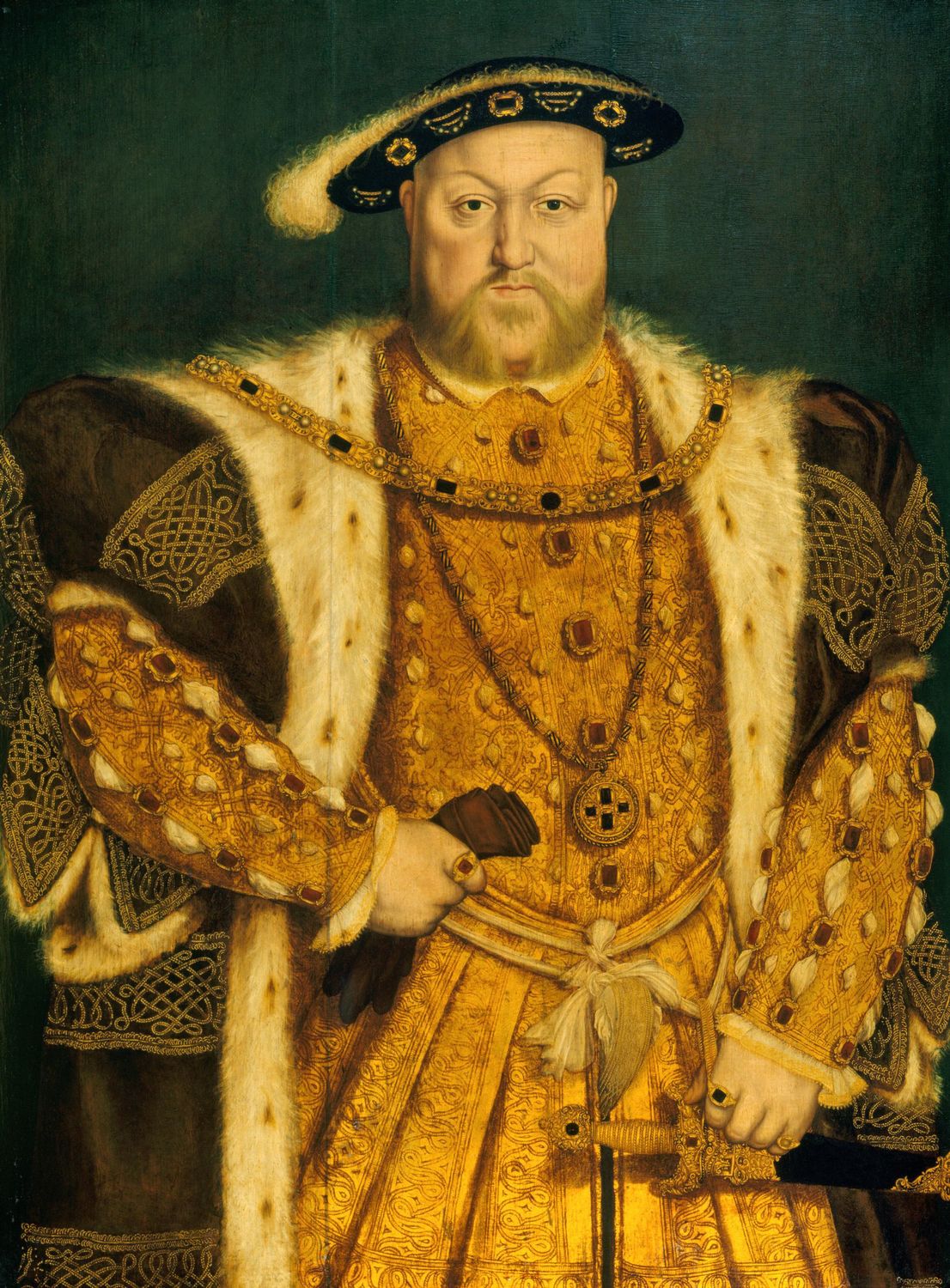
Several factors contributed to the English Reformation. A major immediate cause was the dispute between King Henry VIII and the papacy over his desire to end the marriage with Catherine of Aragon. More broadly, monarchs and elites in England sought greater control over church property and governance, leading to the seizure of monastic wealth in the dissolution of the monasteries. At the same time, reforming ideas circulating from the continent provided theological language and models for change.
Key phases and developments
- Royal supremacy: The Acts of Supremacy (1534) declared the monarch head of the church in England, marking a formal break with Rome; this legislation is often identified with the rise of the Acts of Supremacy and the founding of the Church of England.
- Leadership and liturgy: Figures such as Thomas Cranmer, who became Archbishop of Canterbury, helped shape new worship forms, including the introduction of English-language liturgy and the Book of Common Prayer.
- Religious fluctuation: Under Henry VIII the church retained many traditional rites even as its governance changed; under his son Edward VI more Protestant doctrines were promoted; Queen Mary I briefly restored papal authority; and Elizabeth I established a compromise settlement that preserved an episcopal structure while incorporating Protestant doctrine.
Comparisons with continental and Scottish reform
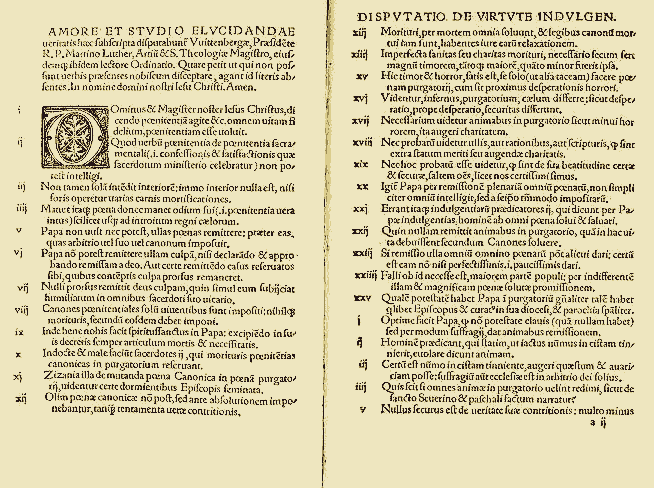
The English Reformation differed from some continental movements in emphasis and origin. On the continent, reformers such as Martin Luther and John Calvin pushed theological critiques of doctrine and practice that led to new confessions and national churches. The Reformation in Scotland, influenced by both Calvinist theology and local leaders, produced a Presbyterian model distinct from the episcopal Church of England. In England the break began with royal authority as much as with clerical or popular theological agitation.
Legacy and significance
The English Reformation had wide-ranging consequences. It created a national church under royal control, shifted vast amounts of property and wealth away from monastic institutions, and promoted the use of English in worship and scripture. These changes affected culture, politics and social life, contributing to later debates about religious conformity, the rise of Puritan movements, and the relationship between church and state in Britain and its overseas settlements.
Notable facts and distinctions
- The English path combined administrative and legal innovations with selective theological reform, making it neither wholly conservative nor uniformly Protestant in the continental sense.
- Key personalities and laws—such as Henry VIII, Cranmer, the Acts of Supremacy, and the dissolution—shaped the institutional outcome more than a single doctrinal program.
- Connections to wider developments are clear: the movement was part of the broader Reformation in Europe and ran alongside contemporaneous changes in Scotland and elsewhere.
For further reading on key documents, personalities and local consequences, consult specialized histories and primary collections that examine the Acts, sermons, and administrative records of the period (Church of England resources and archival guides are useful starting points).
Related articles
Author
AlegsaOnline.com English Reformation: origins, key events, and lasting impact Leandro Alegsa
URL: https://en.alegsaonline.com/art/31492