
Liver cancer
Overview of primary liver cancer: major types, causes and risk factors, diagnosis, treatment options, prevention strategies, and distinctions including pediatric forms.
Overview
Liver cancer refers to malignant tumors that originate in or on the liver. Primary liver cancers arise from cells of the liver itself rather than spreading (metastasizing) from other organs. Presentation and prognosis vary widely depending on the type of tumor, the underlying liver function, and how early the disease is detected.
Image gallery
5 Images


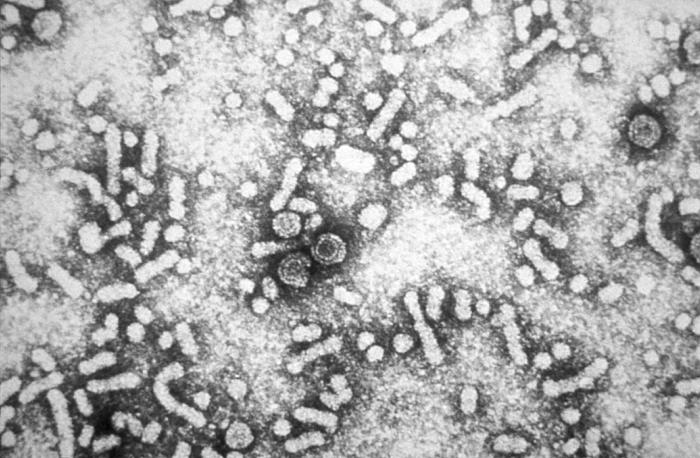

Major types and characteristics
The most common primary form in adults is hepatocellular carcinoma (HCC), which develops from hepatocytes. Other primary tumours include cholangiocarcinoma (bile duct cancer) and less common variants. In children, hepatoblastoma is the typical primary malignant liver tumour. Each type differs in cellular origin, behavior, and typical age of onset.
- Hepatocellular carcinoma: usually associated with chronic liver disease and cirrhosis.
- Cholangiocarcinoma: arises from the intrahepatic or extrahepatic bile ducts.
- Hepatoblastoma: primarily a pediatric tumor with distinct treatment considerations.
Causes and risk factors
Risk factors that increase the likelihood of primary liver cancer include chronic viral infections, long-standing liver injury, toxins, and metabolic disorders. Chronic infection with hepatitis viruses and long-term heavy alcohol use are among the most common contributors. Other recognized risks include chronic hepatitis B or C infection, cirrhosis from diverse causes, nonalcoholic fatty liver disease related to obesity and diabetes, exposure to certain toxins (for example, aflatoxins), and genetic conditions that damage the liver.
Diagnosis
Diagnosis typically combines clinical assessment, laboratory tests, imaging studies, and sometimes tissue biopsy. Blood tests may include liver function tests and tumor markers. Imaging such as ultrasound, computed tomography (CT) or magnetic resonance imaging (MRI) helps define lesions and spread. In selected cases a biopsy confirms the histologic type. Early detection is more likely in at-risk populations under surveillance.
- Common diagnostic tools: ultrasound, CT, MRI, specialized blood markers.
- Biopsy: used when imaging and clinical data are inconclusive.
Treatment and management
Treatment depends on tumor type, size, number of lesions, liver function, and patient fitness. Options include surgical resection, liver transplantation, local ablation techniques, embolization procedures, and systemic therapies. In recent years, targeted agents and immunotherapy have become important options for advanced disease. Supportive and palliative care aim to maintain quality of life when curative treatment is not possible.
- Curative intent: resection or transplantation for selected patients.
- Locoregional therapies: ablation, transarterial chemoembolization.
- Systemic therapies: targeted drugs, immunotherapy, and conventional chemotherapy in certain cases.
Prevention, prognosis, and notable distinctions
Prevention strategies focus on reducing known risks: hepatitis B vaccination and treatment, testing and treatment for chronic hepatitis C, moderating alcohol intake, controlling metabolic risk factors, and minimizing exposure to environmental toxins. Prognosis varies: early-stage tumors treated surgically or with transplantation can have favorable outcomes, while advanced disease carries a poorer outlook. Distinguishing primary liver cancers from metastatic lesions (the liver being a common site for metastases) is essential because management differs markedly between primary and secondary liver tumors.
For more detailed clinical guidance and patient resources see professional and public health sources: liver information, HCC resources, alcohol-related liver disease, viral hepatitis, and pediatric liver tumours.
Related articles
Author
AlegsaOnline.com Liver cancer Leandro Alegsa
URL: https://en.alegsaonline.com/art/58595