
Liver disease: causes, types, diagnosis, and management
Comprehensive overview of liver disease: anatomy and function, common types (hepatitis, fatty liver, cirrhosis, cancer), causes, signs, diagnosis, treatment, prevention, and public-health issues.
Overview
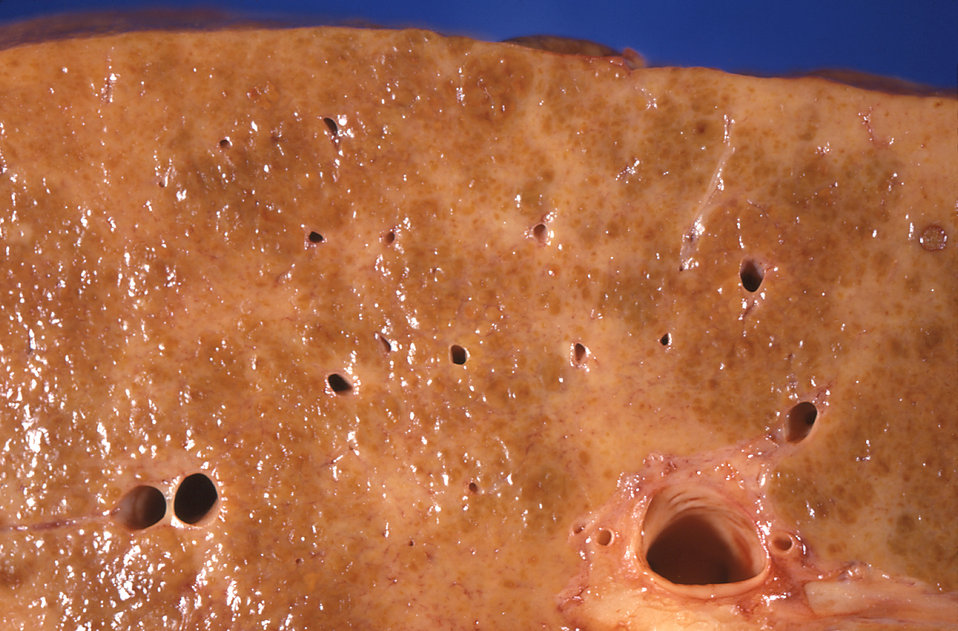
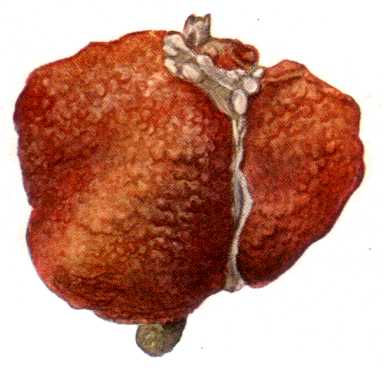
Liver disease denotes any condition that impairs the liver's ability to perform its vital roles in metabolism, detoxification, digestion and immune regulation. Problems can be acute or chronic, range from mild enzyme elevations to progressive scarring, and may affect quality of life and survival. Recognition of early signs and risk factors is important for timely care.
Image gallery
8 Images



Anatomy and function
The liver is a large, vascular organ located in the upper right abdomen. Its cellular units, hepatocytes, process nutrients, produce bile for fat digestion, synthesize plasma proteins and clotting factors, store vitamins and glycogen, and help clear drugs and toxins. Blood flow through the hepatic artery and portal vein is essential to its functions; disruption or injury to these structures can lead to dysfunction.
Common types and causes
Diseases of the liver include a variety of disorders with different causes and courses. Major categories are:
- Viral hepatitis — inflammation caused by hepatitis viruses (A, B, C, D, E) that can be acute or chronic.
- Alcohol-related liver disease — injury from sustained heavy alcohol use, ranging from fatty change to alcoholic hepatitis and cirrhosis.
- Nonalcoholic fatty liver disease (NAFLD) — fat accumulation linked to obesity, diabetes, and metabolic syndrome; can progress to nonalcoholic steatohepatitis (NASH).
- Autoimmune and genetic disorders — such as autoimmune hepatitis, hemochromatosis and Wilson disease.
- Drug- and toxin-induced injury — medications or chemicals that harm hepatocytes.
- Primary liver cancers and metastases — tumors originating in the liver or spreading from other organs.
Symptoms, diagnosis and key tests
Symptoms may be nonspecific: fatigue, loss of appetite, nausea, abdominal discomfort, jaundice (yellowing of skin and eyes), itching, dark urine or pale stools, and swelling due to fluid retention. Clinicians use a combination of approaches to evaluate liver health:
- Blood tests — liver enzymes (ALT, AST), bilirubin, albumin and clotting tests.
- Imaging — ultrasound, CT, or MRI to assess structure, fat, fibrosis and masses.
- Noninvasive fibrosis assessment — elastography and serum scoring systems.
- Liver biopsy — sometimes used to confirm diagnosis or stage disease when necessary.
Treatment, prevention and public-health importance
Management depends on the cause: antiviral therapy for viral hepatitis, abstinence and support for alcohol-related disease, lifestyle modification and metabolic control for NAFLD, chelation or phlebotomy for certain genetic conditions, and targeted oncologic care for cancers. Vaccination and harm-reduction strategies reduce transmission of viral hepatitis. Early detection and treatment can prevent progression to cirrhosis and liver failure; in advanced cases, liver transplantation may be considered. Because the liver supports many body systems, liver disease has wide-ranging clinical and societal impacts and is a focus of preventive medicine and public-health programs.
For further general information, consult clinical guidelines and public-health resources or speak with a healthcare professional.
Related articles
Author
AlegsaOnline.com Liver disease: causes, types, diagnosis, and management Leandro Alegsa
URL: https://en.alegsaonline.com/art/58596