
Hepatocellular carcinoma (HCC): overview, causes, diagnosis and treatment
Hepatocellular carcinoma is the most common primary liver cancer. This article covers causes, symptoms, diagnostic approach, staging, treatment options and prevention strategies.
Hepatocellular carcinoma (HCC) is the most frequent form of primary liver cancer, arising from hepatocytes, the main functional cells of the liver. It typically develops in the setting of chronic liver injury and scarring (cirrhosis), though it can occasionally appear in non-cirrhotic livers. Clinical behavior ranges from a single small tumor curable by surgery or transplant to multifocal or vascularly invasive disease that requires systemic therapy.
Image gallery
8 Images
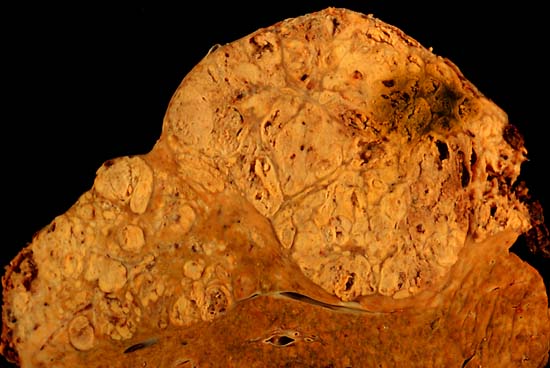


Causes and risk factors
HCC usually follows long-standing liver damage. Common risk factors include chronic hepatitis B or C infection, long-term heavy alcohol use, metabolic fatty liver disease, and exposure to certain toxins such as aflatoxin. Genetic and metabolic disorders that affect the liver can also increase risk. The process is generally progressive: repeated hepatocyte injury, regeneration, and fibrosis create an environment in which malignant transformation can occur.
Signs, diagnosis and staging
Early HCC may be asymptomatic and is often found through surveillance in high-risk patients. When present, symptoms can include abdominal pain, unintended weight loss, early satiety, jaundice, or a palpable mass. Evaluation combines blood tests (including alpha-fetoprotein in some settings), imaging (ultrasound, contrast CT or MRI), and sometimes biopsy. Staging systems such as the Barcelona Clinic Liver Cancer (BCLC) classification guide prognosis and treatment decisions by integrating tumor burden, liver function and patient performance status.
Treatment options
Management is tailored to tumor stage and liver function. Curative options for selected patients include surgical resection for solitary tumors in well-preserved livers and liver transplantation for those meeting transplant criteria. Local ablative techniques (radiofrequency or microwave ablation) can treat small lesions. For intermediate disease, locoregional therapies such as transarterial chemoembolization (TACE) are commonly used. Advanced or metastatic HCC may be treated with systemic drugs: multikinase inhibitors (for example sorafenib), newer targeted agents and immunotherapy combinations that have expanded options in recent years. Supportive and palliative care play an important role throughout the disease course.
Prevention, surveillance and prognosis
Prevention focuses on reducing known risks: hepatitis B vaccination, antiviral therapy for chronic hepatitis B and C, limiting alcohol intake, and managing metabolic risk factors. Surveillance of at-risk populations—commonly with ultrasound, sometimes combined with blood markers at regular intervals—aims to detect tumors when curative treatments remain possible. Prognosis depends heavily on stage at diagnosis and underlying liver function; early detection substantially improves the range of effective therapies.
Distinctive features and clinical considerations
- HCC is a primary liver tumor arising from hepatocytes and should be distinguished from secondary (metastatic) liver tumors and cholangiocarcinoma (bile-duct cancers).
- Liver function and portal hypertension often limit the feasibility of certain treatments even when tumor size would otherwise allow resection.
- Multidisciplinary care—combining hepatology, oncology, surgery, interventional radiology and transplant services—optimizes outcomes and individualizes therapy.
Ongoing research continues to refine systemic therapies and immunotherapy approaches, and to improve early detection strategies that can increase the fraction of patients eligible for curative treatments.
Related articles
Author
AlegsaOnline.com Hepatocellular carcinoma (HCC): overview, causes, diagnosis and treatment Leandro Alegsa
URL: https://en.alegsaonline.com/art/43654
Sources
- hcvadvocate.org : hcvadvocate.org
- nexavar-us.com : "Treatment With NEXAVAR (sorafenib)"
- news.cancerconnect.com : "Genetic Variatiosn Predict Response to Therapy & Survival in Esophageal Cancer"