
Little Lord Fauntleroy
Children's novel by Frances Hodgson Burnett about an American boy who inherits an English earldom; noted for its themes of kindness, social reform, and its cultural impact on children's dress and media.
Little Lord Fauntleroy is a children's novel first serialized in the United States in the 1880s and published in book form in 1886. Written by Frances Hodgson Burnett, it introduced the gentle, well-mannered boy who transforms a stern English aristocrat's outlook. The tale was originally released in installments in St. Nicholas Magazine and later issued by Scribner's with illustrations by Reginald B. Birch.
Image gallery
9 Images




Synopsis and principal characters
The narrative follows young Cedric Errol, commonly called the Little Lord Fauntleroy, a poor but upright American child who discovers that he is the heir to a great English estate. The central relationship is between Cedric and his reclusive grandfather, an earl with a hard temperament. Through the boy's decency and generosity, the grandfather's heart is gradually softened, leading to family reconciliation and reform of estate practices. Other recurring figures include Cedric's mother and a circle of servants and local townspeople who respond to the boy's character.
Publication history and editions
Originally serialized in the mid-1880s, the story reached a wide readership when issued as a complete volume in 1886. It was illustrated in a distinctive manner that shaped contemporary images of the protagonist. Translations and numerous reprints helped spread the book internationally. Modern editions continue to present the original text alongside historical notes or commentary.
Themes and critical reception
Major themes include the redemptive power of kindness, contrasts between American and British social values, and moral education through example rather than coercion. Contemporary reviewers praised the book's warmth and simplicity, while some critics later dismissed it as overly sentimental. Nonetheless, its lessons about charity and personal dignity have kept it in the conversation about children's literature.
Adaptations and cultural impact
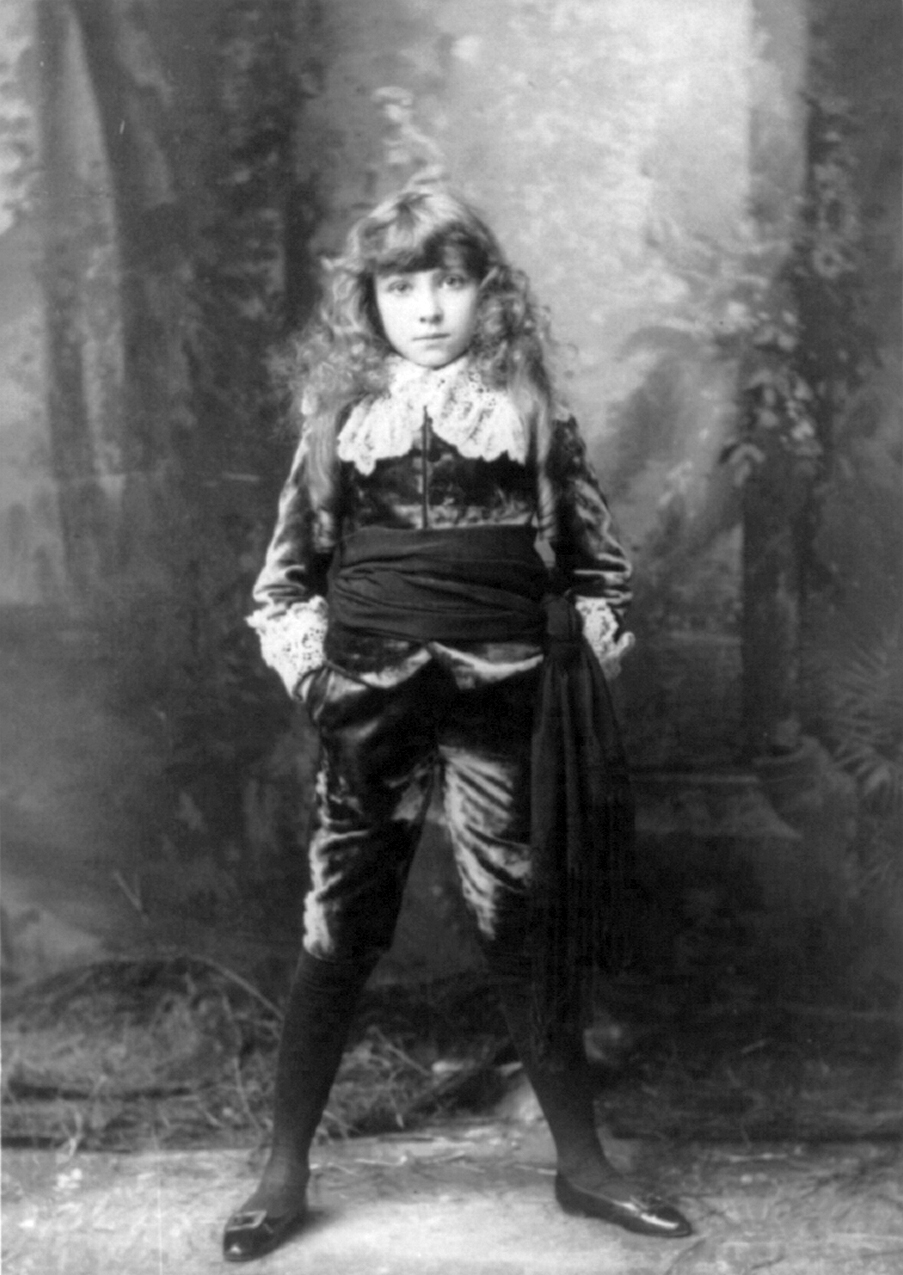
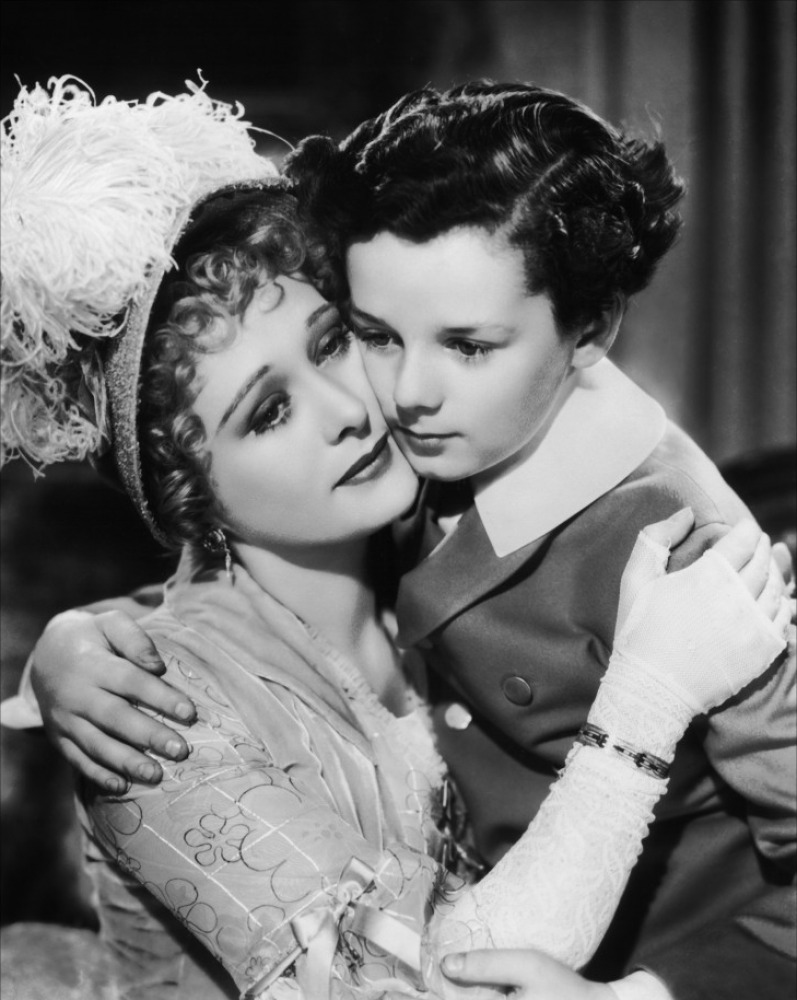
The story has been adapted for the stage and for screen in many countries. Early silent films, later sound pictures, and numerous television versions have kept the tale in public view. It has also influenced fashion: the so‑called "Fauntleroy suit," with its velvet fabrics and lace collars, became a recognizable children's style after the book's popularity.
- Stage plays and theatrical productions
- Silent and sound movies
- Television adaptations and family broadcasts, reaching new audiences via television
- Illustrated editions and international translations, often noted in bibliographies and by scholars of children's literature (novel)
The story's simple moral structure and its vivid central child figure have made it both a staple of popular culture and a subject for academic discussion about nineteenth‑century children's fiction. Its blend of sentimental appeal and social commentary keeps it referenced in surveys of the period and in accounts of the author's broader work.
Related articles
Author
AlegsaOnline.com Little Lord Fauntleroy Leandro Alegsa
URL: https://en.alegsaonline.com/art/58500