
Little Women (1933 film)
1933 black-and-white RKO adaptation of Louisa May Alcott's Little Women, directed by George Cukor and starring Katharine Hepburn as Jo. A studio-era coming-of-age drama set in Civil War–era New England.
Overview
Little Women (1933) is an American black-and-white feature film produced by RKO and directed by George Cukor. It adapts Louisa May Alcott's novel Little Women, presenting a condensed, single-film narrative of the March sisters' transition from adolescence into adulthood. The screenplay streamlines the episodic structure of the novel to emphasize the emotional journeys of the four sisters, their family bonds and the choices they face in a society shaped by the American Civil War and nineteenth-century New England values.
Image gallery
4 Images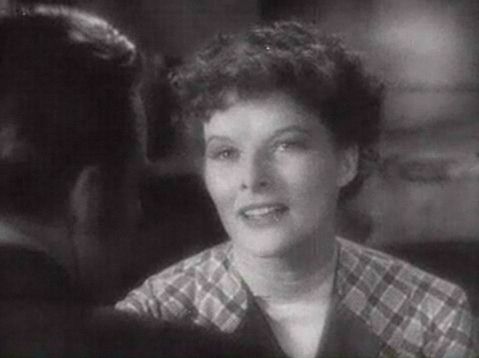


Principal cast
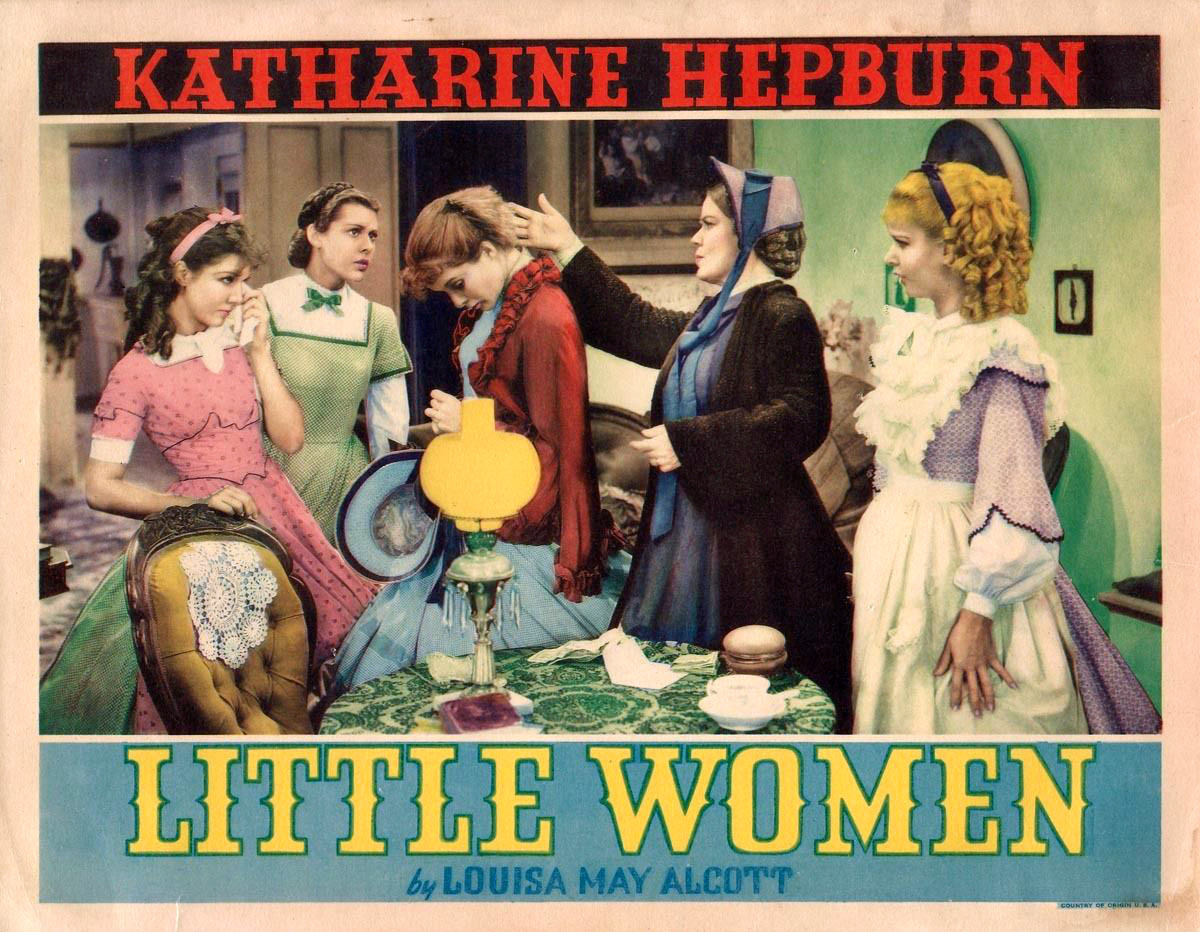
The film assembled a notable ensemble for the period. Leading the cast, Katharine Hepburn plays Jo March, the headstrong and literary-aspiring sister whose independence and temper drive much of the film's dramatic energy. Other principal performers include Joan Bennett (Amy), Jean Parker (Beth), Frances Dee (Meg), Edna May Oliver (Aunt March), Spring Byington (Marmee), Paul Lukas (Professor Bhaer), Henry Stephenson (Mr. Laurence) and Douglass Montgomery (Laurie). The casting combined established character actors and rising stars working within the studio system.
Production and direction
George Cukor's direction favors performance and character interaction over spectacle, using close domestic settings, careful blocking and attention to dialogue to bring the March household to life. The film was photographed in black and white and edited to conform to the pacing conventions of early 1930s studio dramas. Costuming and production design aimed to evoke the period without attempting documentary realism; instead the emphasis is on mood and interpersonal detail that support the story's moral and emotional themes.
Adaptation: faithfulness and changes
As with most adaptations of Alcott's novel, the 1933 film selects and rearranges episodes to create a coherent dramatic arc. Some subplots are compressed or omitted, and certain episodes are reshaped to foreground Jo's conflict between personal ambition and social expectations. The film preserves the novel's core concerns—sisterhood, personal growth, sacrifice and the formation of adult identity—while presenting them through the conventions of a single, commercially released motion picture.
Themes and performances
The film highlights themes of family solidarity, moral development and the aspirations of young women in a constrained domestic world. Hepburn's Jo is often noted for her vitality and impatience with conventional femininity, qualities that helped define the actress's early screen persona. Supporting performances, particularly those portraying gentle kindness or matronly guidance, contribute to a tonal balance between youthful rebellion and the stabilizing influence of family and community.
Reception and awards
On release, critics and audiences responded favorably to the film's warmth, its performances and its clear narrative focus. The picture gained recognition during the awards season and received a nomination for Best Picture at the Academy Awards, though it did not win that year. Over time the adaptation has been discussed in critical surveys as a representative example of studio-era literary adaptation, notable for its acting and for the way it shaped Alcott's material for 1930s audiences.
Legacy
This 1933 version is one of several screen and television adaptations of Alcott's work produced across the twentieth and early twenty-first centuries. Film historians often compare it to later adaptations to trace changing approaches to the novel: some later versions emphasize period authenticity or feminist reinterpretation, while the 1933 film remains an emblem of the early sound era and the studio system's approach to literary property. The film also contributed to Katharine Hepburn's growing reputation as a major screen presence.
Further reading and sources
For readers interested in the author and source material, see entries on Louisa May Alcott and the novel Little Women. Background on the director and studio can be found through resources about George Cukor and RKO. Historical context for the story is discussed in general accounts of the American Civil War. The film's awards-season record appears in listings of the Academy Awards, and assessments of performances often cite Katharine Hepburn's portrayal of Jo as central to the film's enduring interest.
- Title: Little Women (1933)
- Director: George Cukor
- Studio: RKO
- Source: Little Women by Louisa May Alcott
- Historical setting: American Civil War
- Awards: Nominated for Best Picture at the Academy Awards
Questions and answers
Q: What is Little Women?
A: Little Women is a 1933 movie directed by George Cukor based on a book of the same name by Louisa May Alcott.
Q: Who directed Little Women?
A: George Cukor directed Little Women.
Q: Who are the main actors in Little Women?
A: The main actors in Little Women include Katharine Hepburn, Joan Bennett, Jean Parker, Frances Dee, Edna May Oliver, Spring Byington, Paul Lukas, Henry Stephenson, and Douglass Montgomery.
Q: What is the plot of Little Women?
A: Little Women follows the lives of four sisters from a nineteenth century Massachusetts village during the American Civil War.
Q: Was the movie successful?
A: Yes, the movie was successful.
Q: Was Little Women nominated for any Academy Awards?
A: Yes, Little Women was nominated for Best Picture but did not win.
Q: What is the name of the author who wrote the book that Little Women was based on?
A: Little Women is based on a book of the same name by Louisa May Alcott.
Related articles
Author
AlegsaOnline.com Little Women (1933 film) Leandro Alegsa
URL: https://en.alegsaonline.com/art/58534
Sources
- tcm.com : Little Women at Turner Classic Movies