
St. Nicholas Magazine: an influential American children's periodical (1873–1943)
Historic American monthly for children (1873–1943), noted for fiction, poetry, contests, and high-quality illustrations; edited long-term by Mary Mapes Dodge and published many prominent writers.
Overview
St. Nicholas Magazine was a monthly American periodical for children and young adolescents that appeared from 1873 until 1943. It aimed to combine entertainment and instruction through stories, poems, essays and visual art, and over its seven-decade run it became one of the best-known outlets for youth literature in the United States. The title was published by Scribner's & Co. and is remembered for the high literary and artistic standards of its pages.
Image gallery
5 Images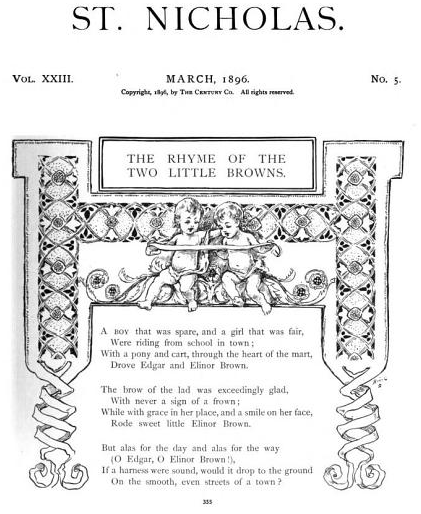


Contents and notable features
The magazine offered a mix of material intended to engage a youthful readership while encouraging reading and creative activity. Typical contents included:
- Short fiction and serialized stories suitable for children and adolescents.
- Poetry and verse for both entertainment and moral reflection.
- Illustrations and engraved plates that complemented the texts.
- Puzzles, letters from readers, reviews of books for young people, and reader-submission features such as contests and clubs that invited participation.
These editorial choices promoted literacy, imaginative play, and a sense of community among readers who often wrote in response or sent original work to the editors.
History and editorial direction
The magazine began publication in 1873 under the Scribner imprint and established itself quickly as a reputable venue for children’s literature. For thirty-two years it was directed by Mary Mapes Dodge, whose stewardship shaped the magazine’s voice and standards. Editors emphasized well-crafted narratives and careful illustration, and the magazine frequently ran contributions from prominent authors of the era.
Legacy and cultural importance
St. Nicholas played a significant role in the maturation of American children's publishing. It helped introduce young readers to both homegrown and international writers, while its participatory features fostered early creative expression among its audience. Changes in the publishing industry, shifting entertainment habits, and economic pressures contributed to the magazine’s closure; it ceased publication in 1943.
Notable contributors
The pages of St. Nicholas featured work by writers who later became widely known, offering early exposure to readers of all ages. Contributors included Louisa May Alcott, Frances Hodgson Burnett, and Rudyard Kipling. Such names underline the magazine’s role as both a curator of established talent and an incubator for new voices in children’s literature.
Distinctive facts: the magazine balanced entertainment and instruction without becoming didactic, published material that appealed across a range of childhood ages, and maintained an emphasis on attractive illustrations alongside literary quality. Its influence persisted after its folding, as subsequent children’s magazines and anthologies drew on the standards it helped set.
Related articles
Author
AlegsaOnline.com St. Nicholas Magazine: an influential American children's periodical (1873–1943) Leandro Alegsa
URL: https://en.alegsaonline.com/art/93141
Sources
- commons.wikimedia.org : St. Nicholas (magazine)