
Little Havana: Miami’s Cuban heart and evolving neighborhood
Little Havana is a Miami neighborhood known for its Cuban heritage, Calle Ocho cultural life, cigar shops, music, and evolving demographics shaped by Central American migration and suburban shifts.
Overview
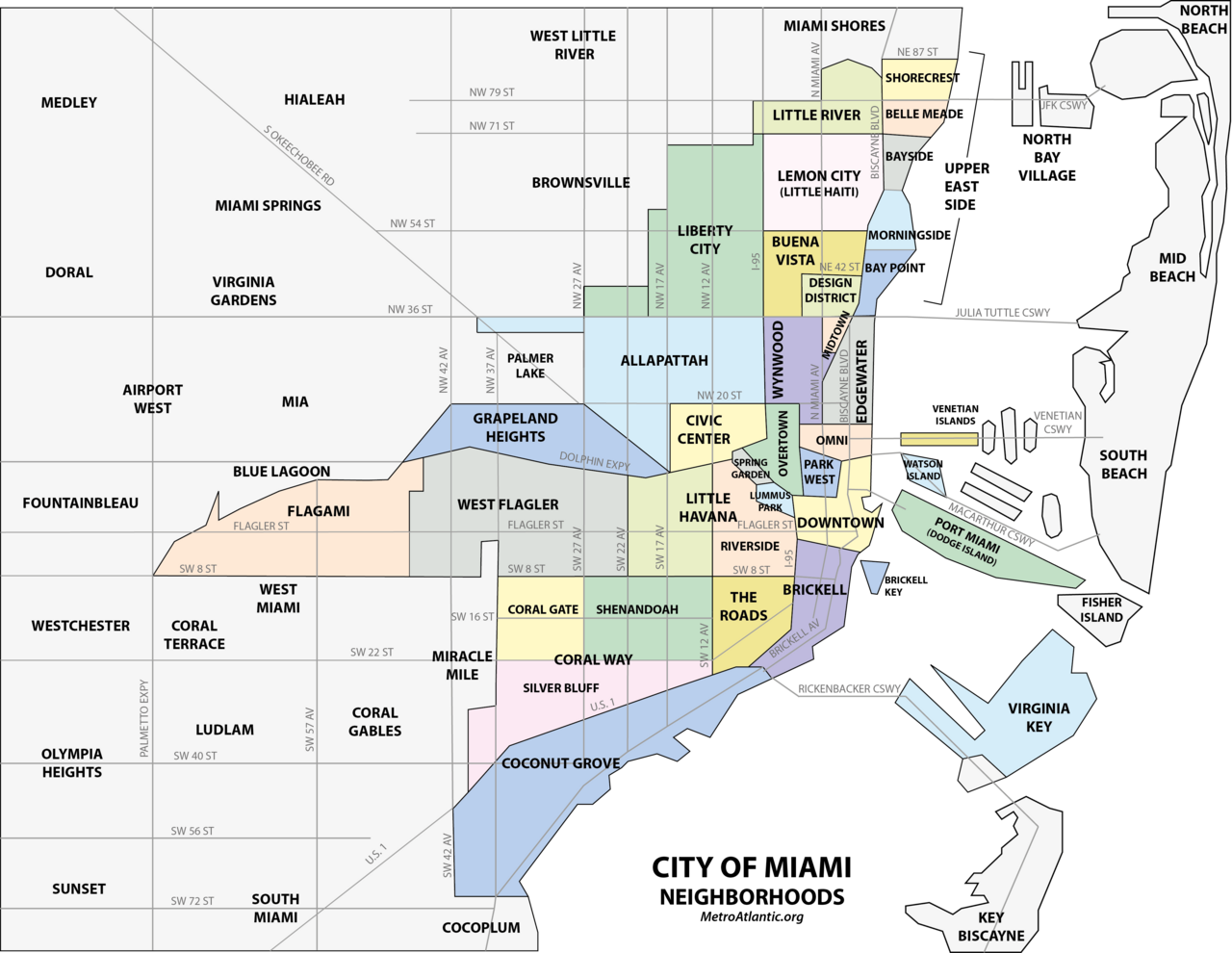
Little Havana is a neighborhood in Miami, Florida, widely recognized for its strong Cuban cultural influence. Known in Spanish as La Pequeña Habana, the area developed into a focal point for Cuban immigrants and refugees and became a symbol of Cuban-American life. Today it is both a living community and a popular destination for visitors seeking Cuban food, music and small-business storefronts.
Image gallery
10 Images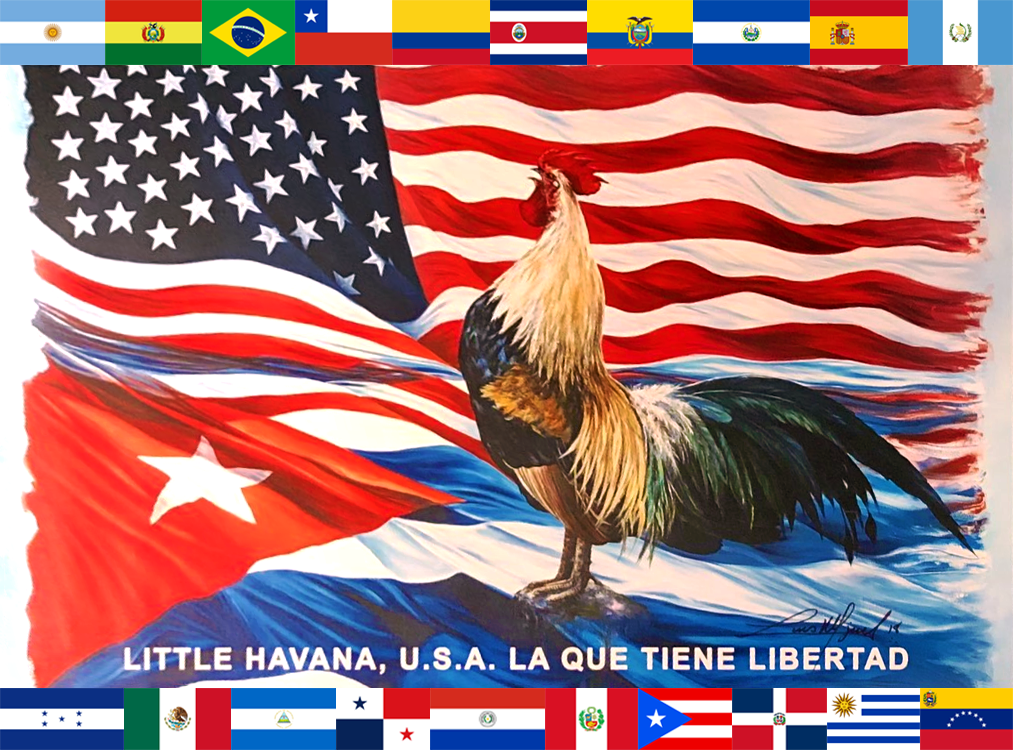



Characteristics and landmarks
The neighborhood centers on Southwest Eighth Street, commonly called Calle Ocho, which hosts some of Little Havana’s most iconic places: lively street cafes, traditional cigar shops, and social spaces where dominoes and conversation are part of daily routine. Notable sites include the public park known for domino games, historic theaters and music clubs, and a scattering of galleries and murals that celebrate Caribbean and Latin American themes. Commercial corridors are lined with family-run restaurants, bakeries, and shops offering Cuban goods.
History and development
Little Havana’s character was shaped largely by waves of Cuban migration, especially after the Cuban Revolution of 1959, when many Cubans arrived in South Florida seeking refuge and opportunity. Proximity to the island made Miami a primary destination, and the neighborhood grew as migrants established businesses, community organizations, and cultural institutions. Over time, the area also experienced cycles of change as some families moved to suburbs and new residents arrived.
Culture, festivals, and daily life
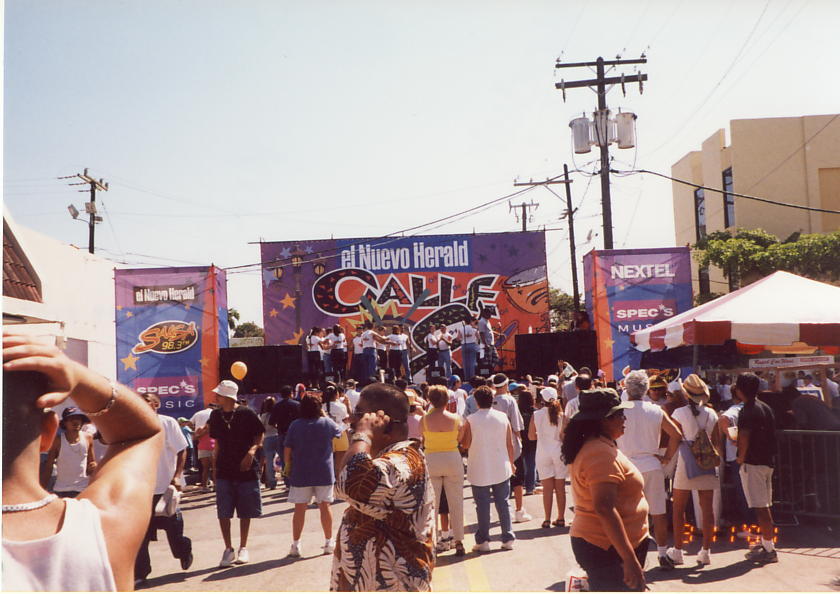
Cultural life in Little Havana is visible on the street: music and dance, outdoor festivals, and culinary traditions anchored in Cuban recipes. The annual Calle Ocho festival—part of larger city celebrations—draws crowds for live music, food stalls and parades that highlight Latin music styles and community pride. Small venues and cultural centers present talks, art shows and performances that preserve and reinterpret Cuban heritage while engaging younger generations.
Demographics and contemporary changes
Originally dominated by Cuban immigrants and refugees—often referred to in broad terms as Cuban residents—the neighborhood has become more diverse in recent decades. Increasing numbers of people from Central American countries, including Honduran, Nicaraguan and Guatemalan backgrounds, have moved into the area, changing commercial offerings and community institutions. At the same time, many Cuban families relocated within Miami to suburban neighborhoods, and some enclaves within Little Havana are now informally identified by newer immigrant groups—one area has been described colloquially as Little Managua.
Distinctions, tourism and civic life
Little Havana is distinctive for the concentration of Cuban-American culture in a compact urban district and for its role in Miami’s political and social identity. It also faces common urban challenges—rising property values, preservation pressures, and debates over development versus cultural conservation. A smaller community with a similar name exists elsewhere in Florida, including a neighborhood often called Little Havana in Tampa that reflects Cuban heritage in that city as well (Tampa’s Little Havana). Local groups, business associations and cultural organizations continue to promote traditions while adapting to a changing population, ensuring that the neighborhood remains a dynamic part of Miami’s multicultural landscape.
- Key themes: Cuban heritage, Calle Ocho culture, immigrant entrepreneurship.
- Common attractions: Cigar shops, cafés, live music venues, public domino games, festivals.
- Contemporary notes: Growing Central American presence and suburban dispersal of earlier Cuban residents.
Related articles
Author
AlegsaOnline.com Little Havana: Miami’s Cuban heart and evolving neighborhood Leandro Alegsa
URL: https://en.alegsaonline.com/art/58493