
Tampa, Florida: City on Tampa Bay
Tampa is a Gulf Coast city in Florida known for its port, historic Ybor City, sports franchises, and waterfront cultural attractions. Population about 384,959 (2020); key regional center for commerce and tourism.
Overview
Tampa is a major city on the western shore of Tampa Bay in the state of Florida, in the United States. With a population of roughly 384,959 at the 2020 census, it ranks among the largest cities in the state and is an important regional center for business, transportation and culture. The city sits on a natural harbor and functions as a hub for maritime and related industries.
Image gallery
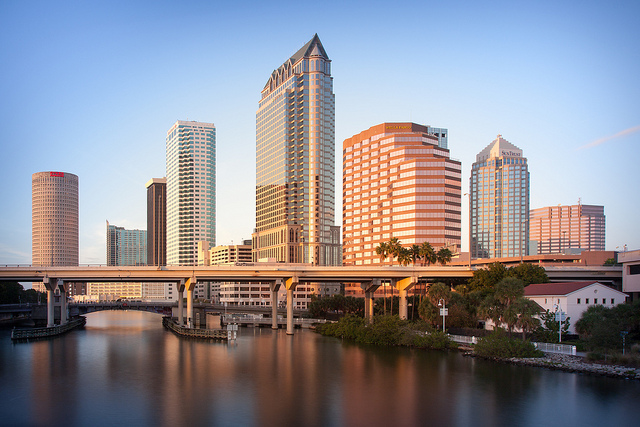
10 Images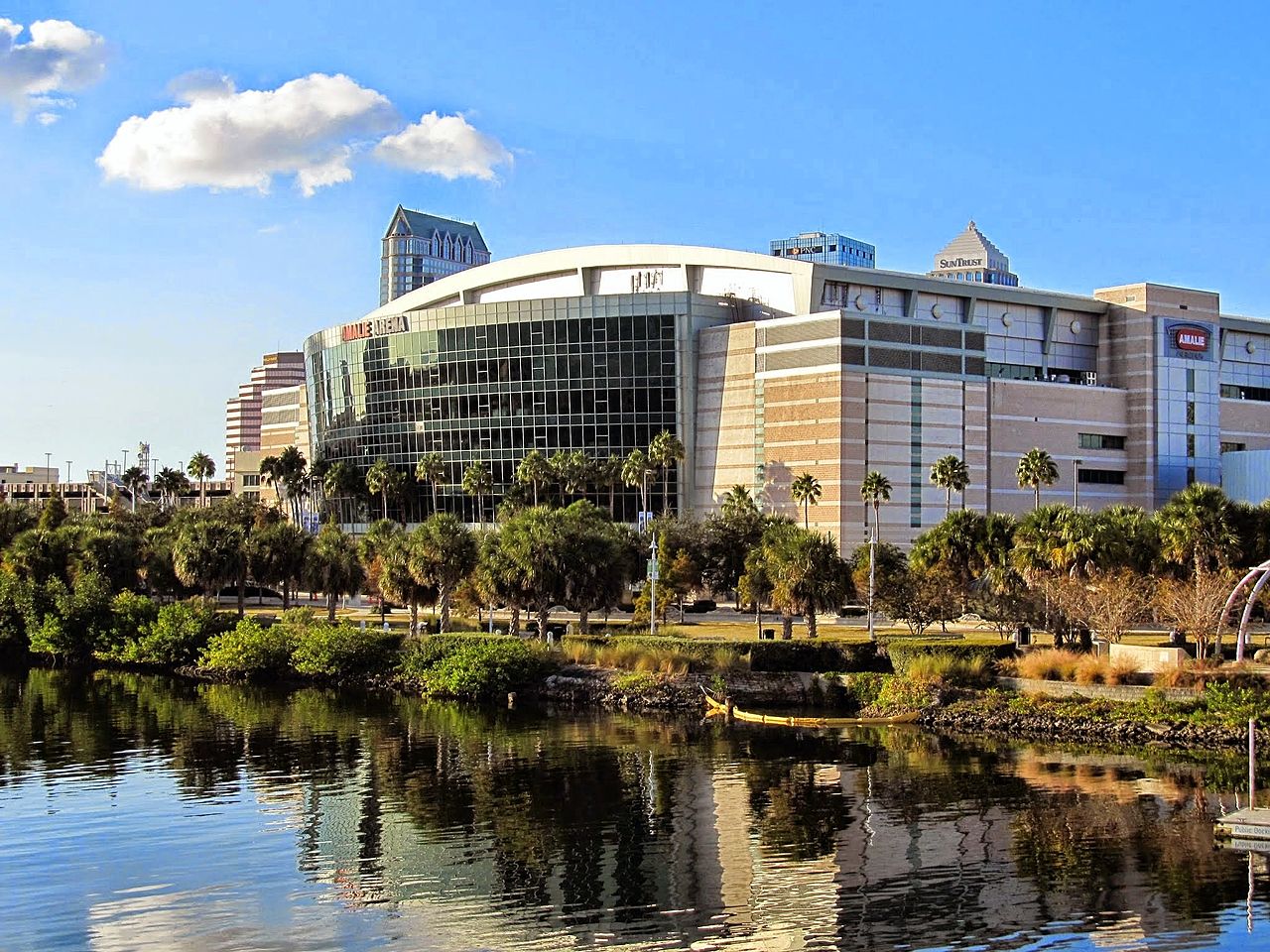


Characteristics and geography
Tampa has a humid subtropical climate, with hot, humid summers and mild winters. Its urban area includes dense downtown districts, historic neighborhoods, and suburban rings. The Port of Tampa is one of Florida's major cargo and cruise terminals, and the city’s waterfront and riverfront corridors are focal points for recreation and development.
History and development
The area around Tampa Bay was inhabited by indigenous peoples before European contact. Modern Tampa grew in the 19th century and expanded rapidly with the arrival of railroads and the growth of the cigar industry in neighborhoods such as Ybor City. Post–World War II suburbanization and later downtown revitalization helped shape the contemporary city.
Economy, culture and institutions
Tampa's economy combines shipping, finance, healthcare, education and tourism. Cultural life includes museums, performing arts, festivals and a notable Latin and Mediterranean heritage from waves of immigration. Major institutions include universities, professional sports franchises and regional hospitals.
Attractions and notable facts
- Historic Ybor City and its cigar-making legacy
- Annual Gasparilla pirate festival and other civic events
- Sports teams and arenas that draw national attention
- Waterfront amenities: Riverwalk, parks, and maritime facilities
Tampa is often described as a blend of urban energy and coastal recreation. Its role as a port city and regional economy, combined with distinctive neighborhoods and cultural traditions, makes it a prominent city on Florida’s Gulf Coast.
Author
AlegsaOnline.com Tampa, Florida: City on Tampa Bay Leandro Alegsa
URL: https://en.alegsaonline.com/art/131584