
Little Rock, Arkansas: capital city and cultural center
Little Rock is the capital and largest city of Arkansas, a regional government, cultural, and economic center with notable landmarks, a riverfront setting, and a complex 19th–20th century history.
Little Rock is the state capital and largest city of the United States state of Arkansas. It sits on the south bank of the Arkansas River and functions as a regional hub for government, commerce and culture. As the seat of state government, Little Rock combines public institutions with private-sector services and recreational amenities that serve a broad metropolitan area. For a musical reference in popular culture, Billy Joel mentions the city in the song "We Didn't Start the Fire".
Image gallery
10 Images



Characteristics and landmarks
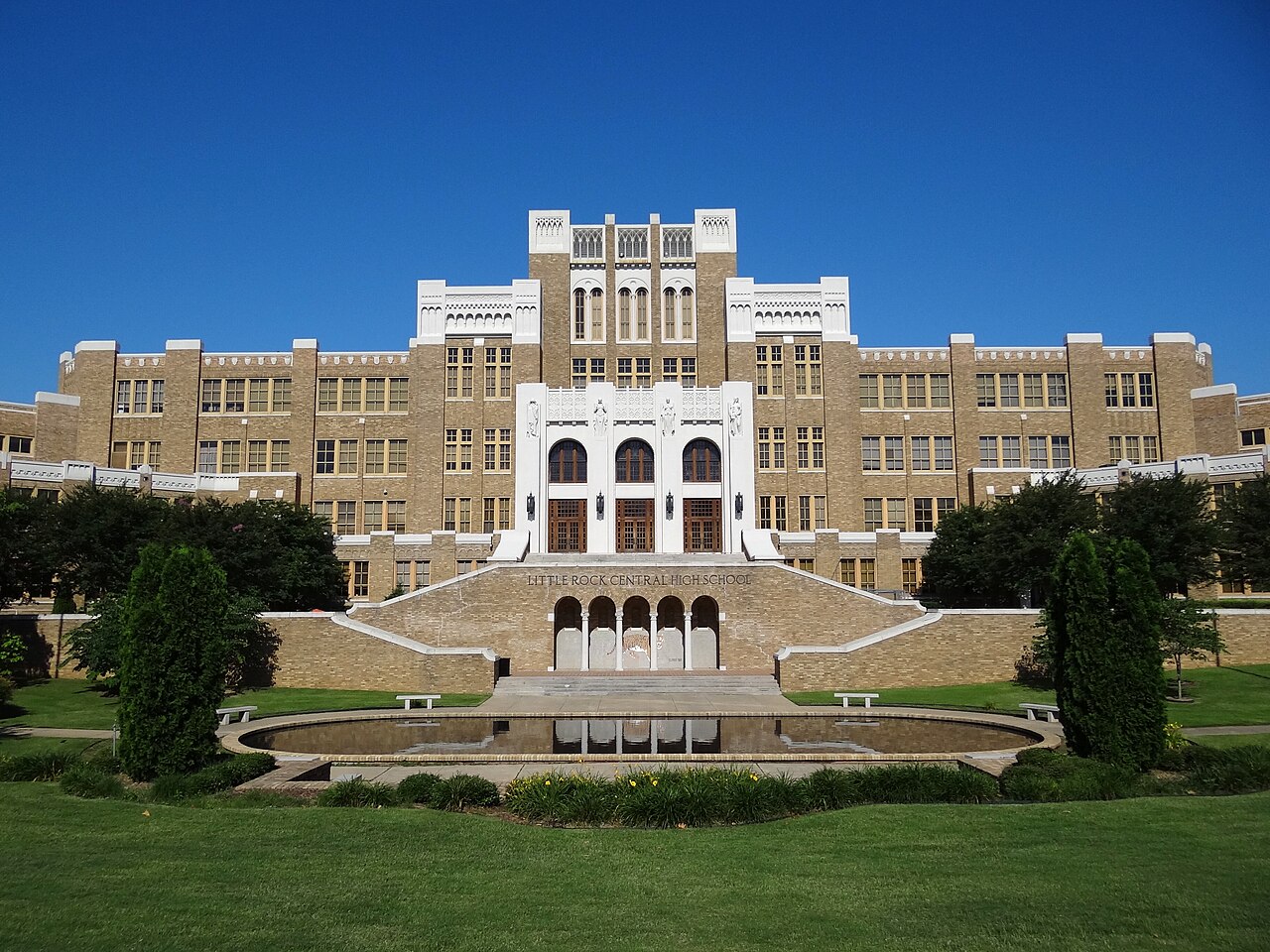
The city contains the Arkansas State Capitol, a mix of museums and performing-arts venues, universities and hospitals. A compact downtown and riverfront area called the River Market District hosts markets, dining and festivals. Noteworthy sites include the William J. Clinton Presidential Center and Museum, Little Rock Central High School National Historic Site, and a variety of parks and cultural institutions that attract visitors and residents alike.
History and development
Little Rock developed from a river port and trading point. Its name derives from a small rock formation on the riverbank long called "La Petite Roche" by French explorers. The community grew through the 19th century as Arkansas moved from territory to statehood and later became an administrative center. In the mid-20th century the city was the scene of a pivotal civil-rights confrontation at Central High School that helped shape national law and public policy.
Economy, transport and institutions
The local economy is diverse, with significant employment in state government, health care, education and professional services. Little Rock is linked by interstate highways and a regional airport, and it serves as a distribution and logistics node for central Arkansas. Higher-education campuses and research facilities contribute to workforce development and cultural life.
Culture, recreation and significance
Outdoor recreation along the river, city parks, arts festivals and neighborhood dining scenes make Little Rock a focal point for the region. Its museums, historic sites and annual events reflect a blend of political history and contemporary urban life. The city figures often in Arkansas history and American civil-rights narratives and appears in popular culture references such as the song previously mentioned.
- State capital and administrative center
- Regional economic hub
- Cultural and historic landmarks
- Recognized in music and media (see Billy Joel and song lyric)
Related articles
Author
AlegsaOnline.com Little Rock, Arkansas: capital city and cultural center Leandro Alegsa
URL: https://en.alegsaonline.com/art/58520
Sources
- www2.census.gov : "2016 U.S. Gazetteer Files"
- factfinder.census.gov : "American FactFinder"