
Lingtong District, Xi'an — geography, history and cultural sites
Lingtong District (临潼区) is an eastern district of Xi'an in Shaanxi, China, known for the Terracotta Army, imperial mausoleums and archaeological importance. It combines tourism, agriculture and urban communities.
Lingtong District (临潼区, Líntóng Qū) is an administrative district of Xi'an in Shaanxi province, China. Located roughly 20 kilometres east of Xi'an's historic centre, Lingtong occupies a mixture of urban neighbourhoods, farmland and hilly terrain. The district covers about 915.97 square kilometres and had a population of 655,874 at the national census in November 2010. Its position on the eastern approach to Xi'an makes it a frequent gateway for visitors and freight entering the city.
Image gallery
7 Images
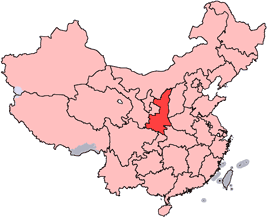


Geography and administration
Lingtong sits at the eastern edge of the Xi'an municipal area and shares borders with several neighbouring jurisdictions. To the west lie parts of the greater Xi'an urban area and nearby administrative units such as Gaoling District and Baqiao District, while to the south and north it meets counties and districts including Lantian County and Yanliang District. The landscape includes low hills associated with the foothills of Mount Li, river valleys used for agriculture, and corridors of modern road and rail infrastructure that link the district with central Xi'an and the wider region.
History and development
The area now called Lingtong has a long human history and in antiquity was known by names such as Yueyang. For much of the modern period it was administered as Lingtong County; its jurisdiction has shifted over time between neighbouring prefectures before becoming part of Xi'an. In reorganisations during the late 20th century the county was reclassified and is now designated as a district of the Xi'an municipality (the present name and status date from administrative changes in the late 20th century). Continuous archaeological discovery and conservation work have shaped both local identity and land use planning.
Attractions and cultural significance
Lingtong is internationally recognised for its concentration of historic monuments and archaeological sites. The most famous is the Terracotta Army, the life-sized pottery figures buried to accompany China’s First Emperor; the funerary complex and its museums form a major draw for scholars and tourists alike and are part of the region's designated heritage. The district also includes the slopes of Mount Li and associated imperial tombs, ancient temples and museum collections. These sites make Lingtong one of the most visited cultural landscapes in the Xi'an area and a focal point for research into early imperial China.
- Key sites: the Terracotta figures and pits, the Qin Shi Huang mausoleum complex, museums and local temple ensembles (monuments).
- Research: ongoing archaeological excavations and conservation projects that inform academic and public understanding.
- Public access: developed visitor facilities, interpretive centres and transport links for domestic and international tourism.
Economy, transport and strategic role
The local economy combines tourism services, agriculture in the river valleys, and light industry in urbanized zones. Visitor-related enterprises—hotels, museums, guides and craft producers—are economically important, particularly around the major archaeological parks. Lingtong's transport connections to Xi'an include highways and rail lines that support commuter flows and freight; its location also gives it military and logistical significance for the regional authorities, a role reflected in local infrastructure planning and occasional references to the district's strategic importance (military).
As a district that mixes intensive heritage protection with contemporary development, Lingtong faces the challenge of balancing conservation, tourism and urban growth. Local government and heritage bodies continue to work on preserving archaeological deposits while improving access and services so that the area's history remains both protected and accessible to future generations.
Related articles
Author
AlegsaOnline.com Lingtong District, Xi'an — geography, history and cultural sites Leandro Alegsa
URL: https://en.alegsaonline.com/art/58320
Sources
- news.163.com : "西安市2010年第六次全国人口普查主要数据公报"
- lintong.gov.cn : "历史沿革"