
Life cycle — biological stages of development
Overview of biological life cycles: patterns, common stages in humans and insects, metamorphosis, ecological and practical importance, and distinctions between gradual and abrupt development.
Overview
A life cycle describes the sequence of stages an organism passes through from conception to death. It is a framework used in biology and ecology to describe growth, differentiation, reproduction and ageing. Some species follow a continuous sequence of changes, while others undergo dramatic, well-defined shifts in form and function.
Image gallery
10 Images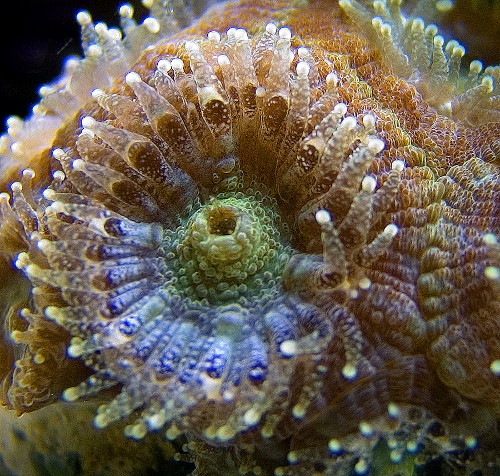



Patterns and common features
Life cycles vary widely but usually include phases of development, maturation, reproduction and senescence. Key features to compare across species include timing (fast or slow), completeness of transformation (gradual versus abrupt), and whether the organism passes through distinct morphological forms. Commonly discussed patterns are:
- Direct development: juveniles resemble adults and change gradually.
- Indirect development with metamorphosis: distinct larval stages that transform into adults.
- Alternation of generations in plants and some algae, where different multicellular stages alternate sexual and asexual reproduction.
Human stages as an example of gradual development
Human growth is often described in successive phases such as zygote, embryo, infancy, child, adolescence and adult. Transitions in humans are largely continuous: organs form prenatally, then the body grows and matures across childhood and adolescence. Cultural practices in different societies can mark biological changes; for example rites associated with puberty celebrate social recognition of maturation.
Insect metamorphosis: abrupt transitions
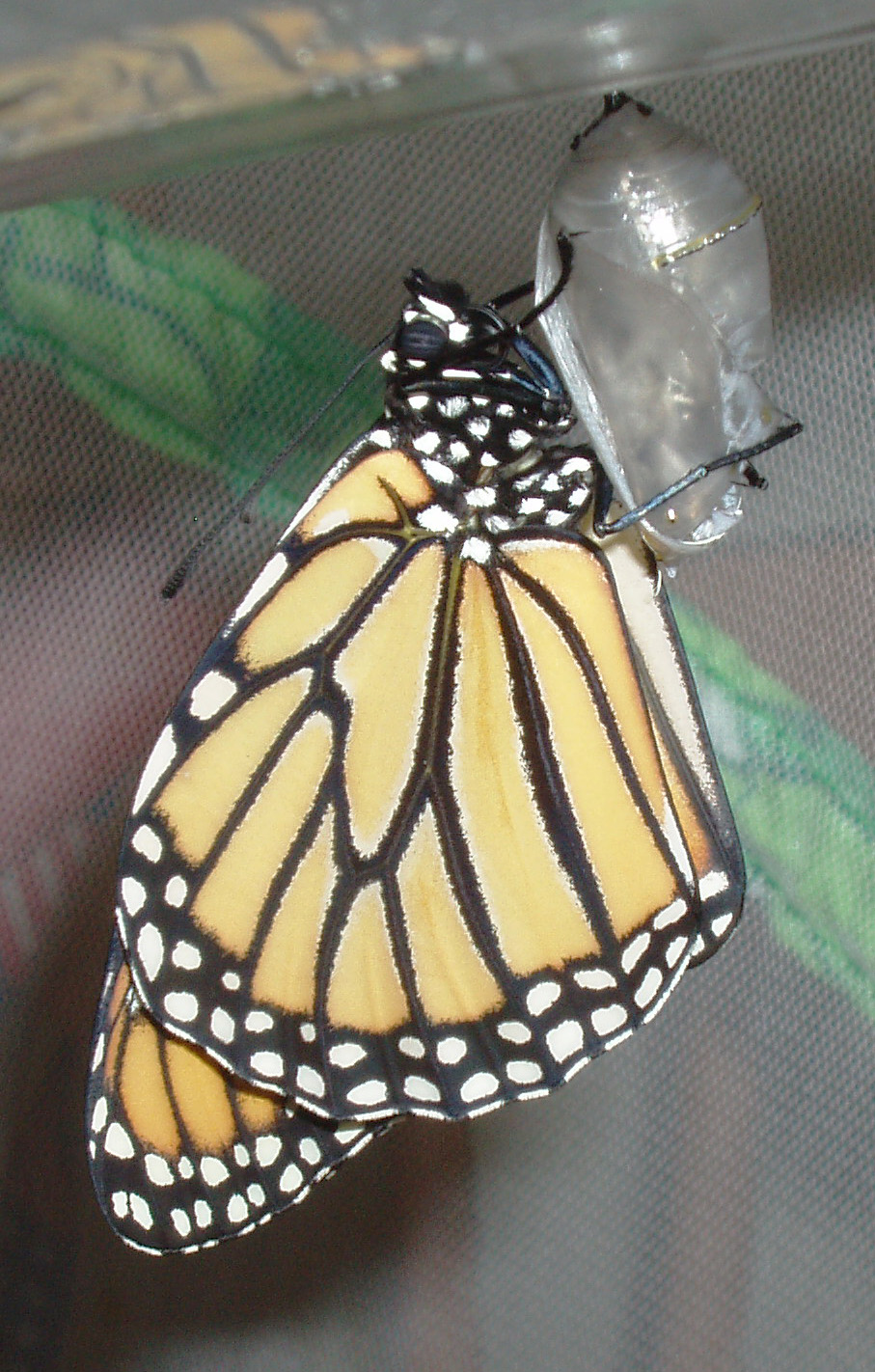
Many insects follow a four-stage life cycle that includes egg, larva, pupa and imago (adult). These stages show clear structural and functional shifts: feeding and growth occur in the larva, reorganization inside the pupa, and reproduction in the adult. The general pattern is summarized for insects broadly, though species-specific timing and behaviors differ.
Importance and applications
Understanding life cycles has practical value in agriculture, conservation, medicine and education. Knowing when an organism reproduces or is most vulnerable informs pest control, habitat protection and health interventions. Life-cycle awareness also shapes how resources are allocated for breeding programs and ecological restoration.
Notable distinctions and final notes
Distinguishing gradual versus complete metamorphosis helps classify organisms and predict ecological roles. Some organisms blur categories — for example, amphibians have aquatic larvae and terrestrial adults with intermediate transformation patterns. Life-cycle study integrates anatomy, behavior, genetics and environment to explain how life persists and changes across generations.
Questions and answers
Q: What does life cycle mean?
A: Life cycle means the stages a living thing goes through during its life.
Q: How does the growth process differ in humans and insects?
A: The growth process in humans is slow and continuous, while in most insects it is sharp and well-defined.
Q: Can you name some of the growth stages that humans go through during their lives?
A: Some of the growth stages that humans go through during their lives are zygote, embryo, child, and adult.
Q: How is the change from a child to an adult marked in many societies?
A: In many societies, the change from a child to an adult is marked by ceremonies at puberty.
Q: What is the transition in insects from egg to adult?
A: In most insects, the transition from egg to adult goes through the stages of larva, pupa, and imago (adult).
Q: Are the changes in a life cycle for living things always gradual?
A: No, the changes in a life cycle for living things are not always gradual; they can also be sharp and well-defined, depending on the species.
Q: How many stages are there in the growth process for insects?
A: In many insects, the growth process goes through four stages: egg, larva, pupa, and adult.
Related articles
Author
AlegsaOnline.com Life cycle — biological stages of development Leandro Alegsa
URL: https://en.alegsaonline.com/art/57879