
Life (2009 British TV series)
Life is a 2009 BBC multi-part natural history documentary narrated by David Attenborough, surveying survival strategies, adaptations and behaviours across animals, plants and other life forms with cinematic HD footage.
Overview
Life is a multi-part British natural history documentary first broadcast by the BBC in 2009 and narrated by Sir David Attenborough. The series explores the diversity of living organisms and the strategies they use to survive, reproduce and interact with their surroundings. Rather than a simple catalogue of species, the programme emphasises behaviour, adaptation and ecological relationships to reveal patterns common across life forms.
Image gallery
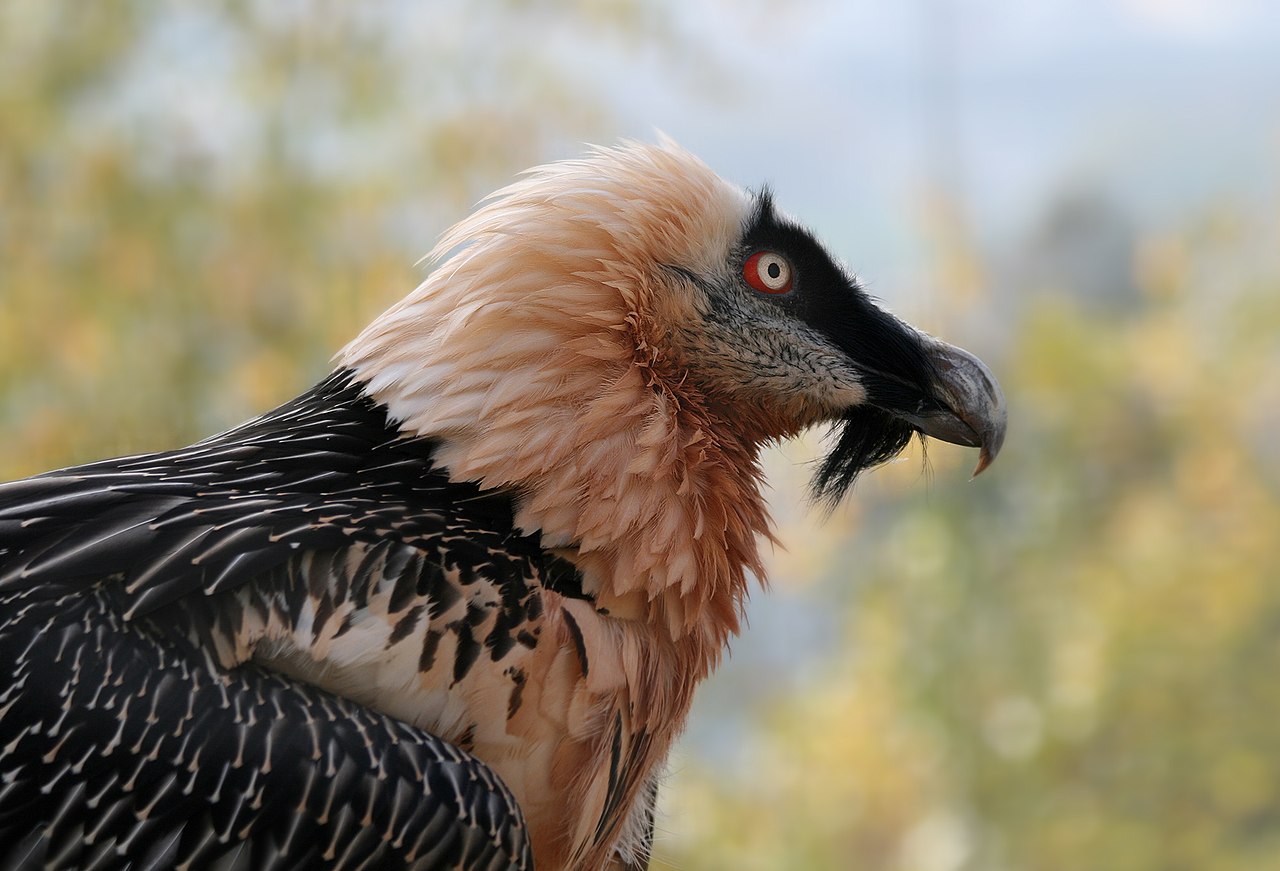
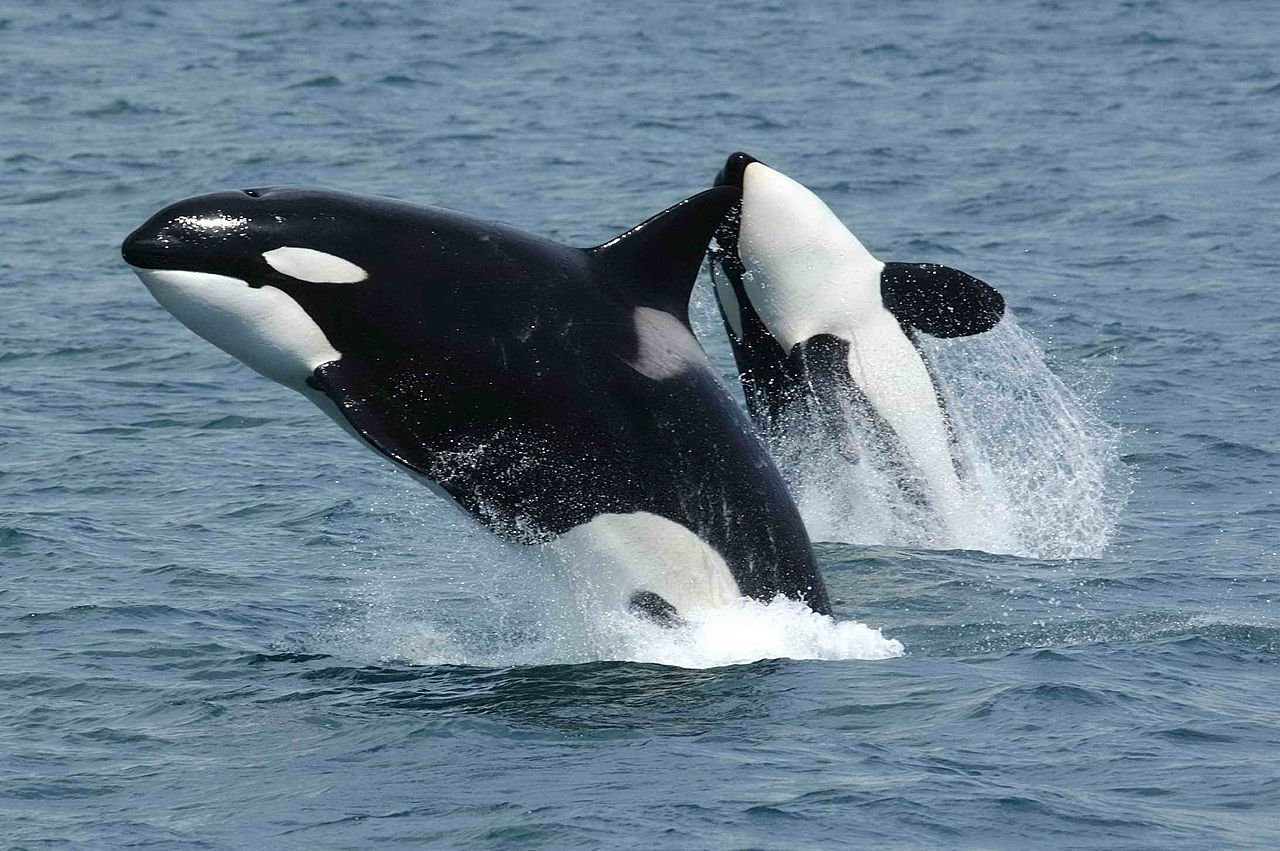
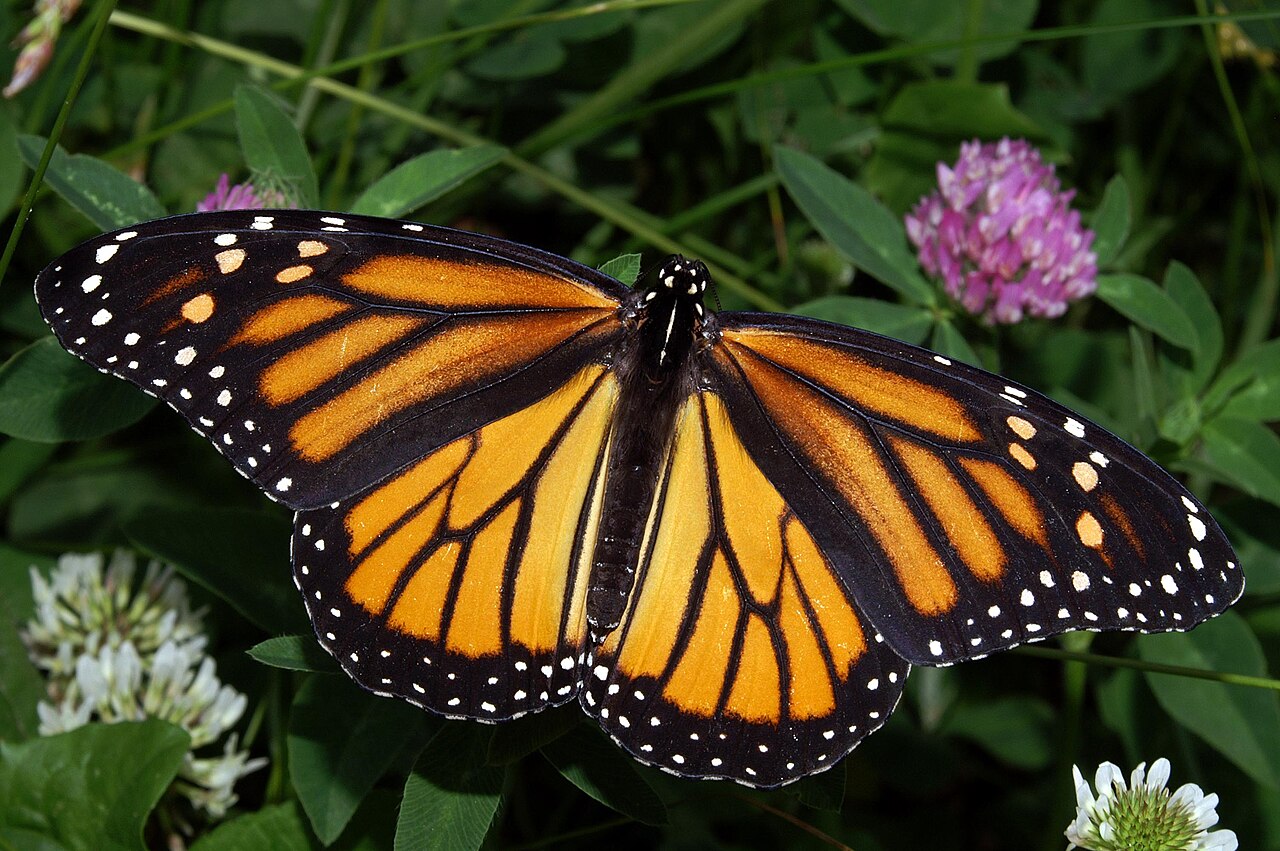
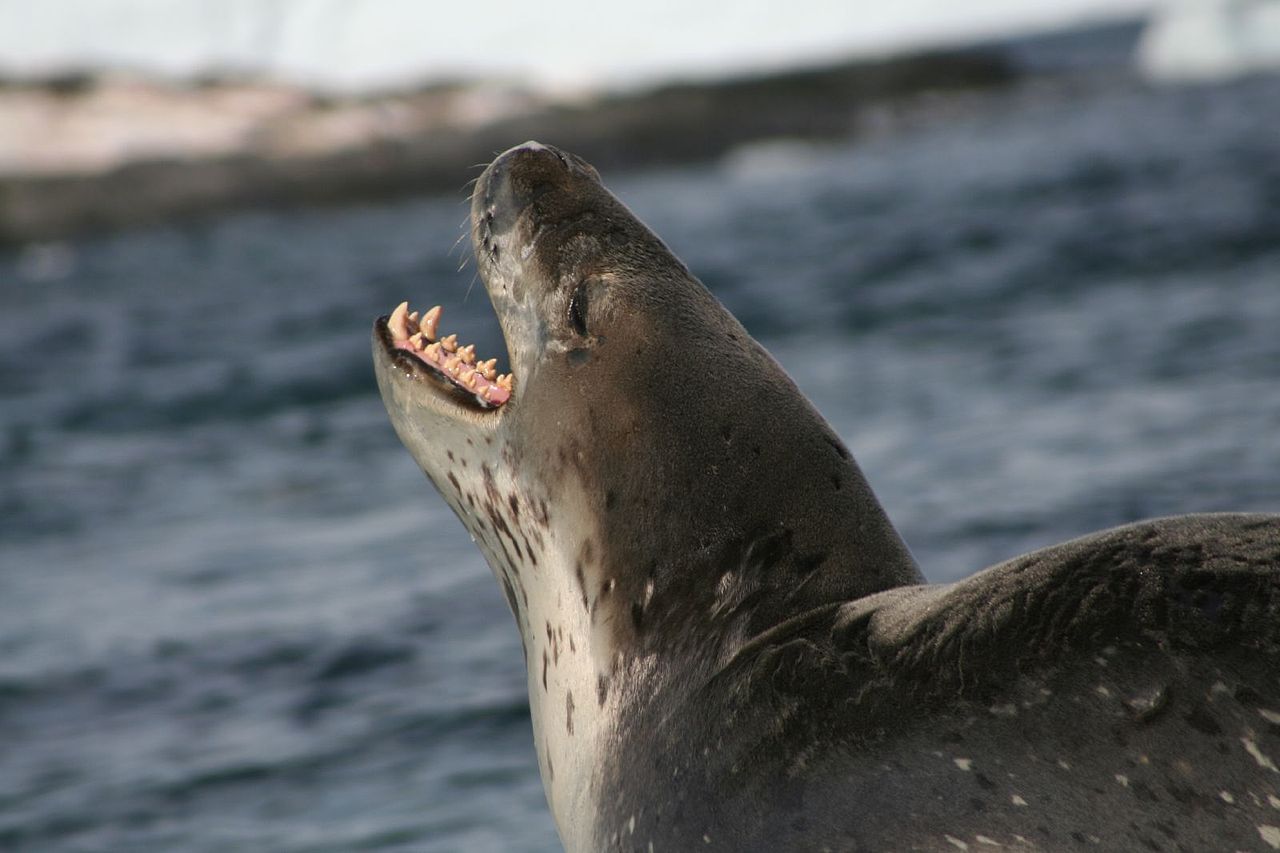
10 Images



Format and scope
Produced by the BBC Natural History Unit in high definition, the series was presented as a set of themed episodes (ten in the original UK run). Each instalment focuses on particular survival tactics or groups of organisms, drawing on principles from biology and ecology. Filming locations ranged across continents and ecosystems to illustrate broad patterns and local specialisms.
Production and filming techniques
Camera teams used specialist equipment and techniques—long lenses, aerial shots, macro lenses, time-lapse and slow motion—to capture behaviour that is often hard to observe. Crews typically spent long periods on location to build trust with subjects and to record rare or fleeting events. Scientific advisers and field researchers helped ensure that sequences reflected current understanding.
Themes and episode topics
Episodes cover topics such as hunting and foraging, defence, reproduction, migration and cooperation. Subjects include mammals, birds, reptiles, fish, invertebrates and plants; the programme demonstrates how form and behaviour have evolved in response to the environment and ecological pressures. It presents both familiar animals and lesser-known organisms to illustrate the breadth of natural history.
Reception, legacy and related material
Life reinforced public interest in natural history and conservation by combining cinematic imagery with accessible scientific context. It was accompanied by a companion book and home media releases, and it has been used as an educational resource by broadcasters and organisations involved in natural history outreach. For official information and supplementary material consult the BBC pages and affiliated natural history resources.
Related articles
Author
AlegsaOnline.com Life (2009 British TV series) Leandro Alegsa
URL: https://en.alegsaonline.com/art/57876
Sources
- dsc.discovery.com : dsc.discovery.com/tv/life.episodes.html