
Lichen: symbiotic organisms of fungi and photosynthetic partners
Lichens are composite organisms formed by a fungal partner and a photosynthetic partner (alga or cyanobacterium). This article explains their form, ecology, reproduction, uses and scientific significance.
Overview
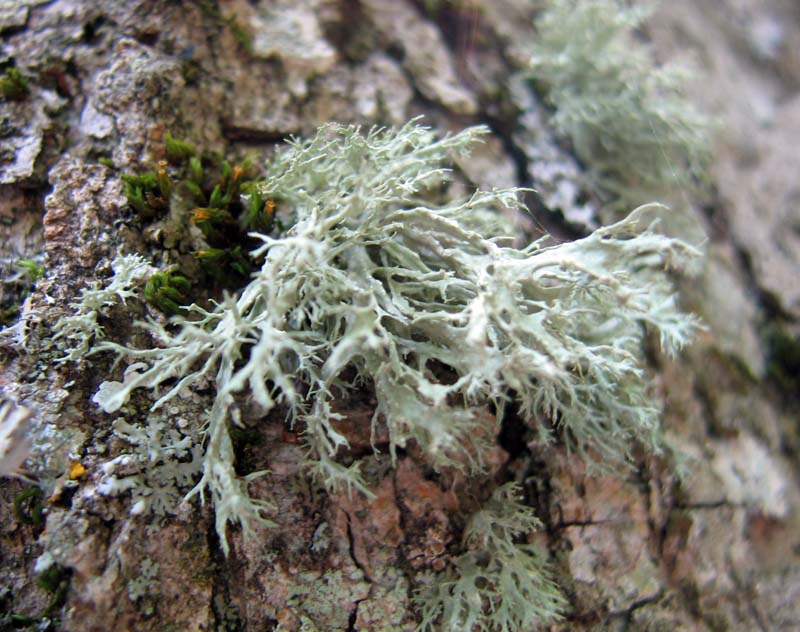
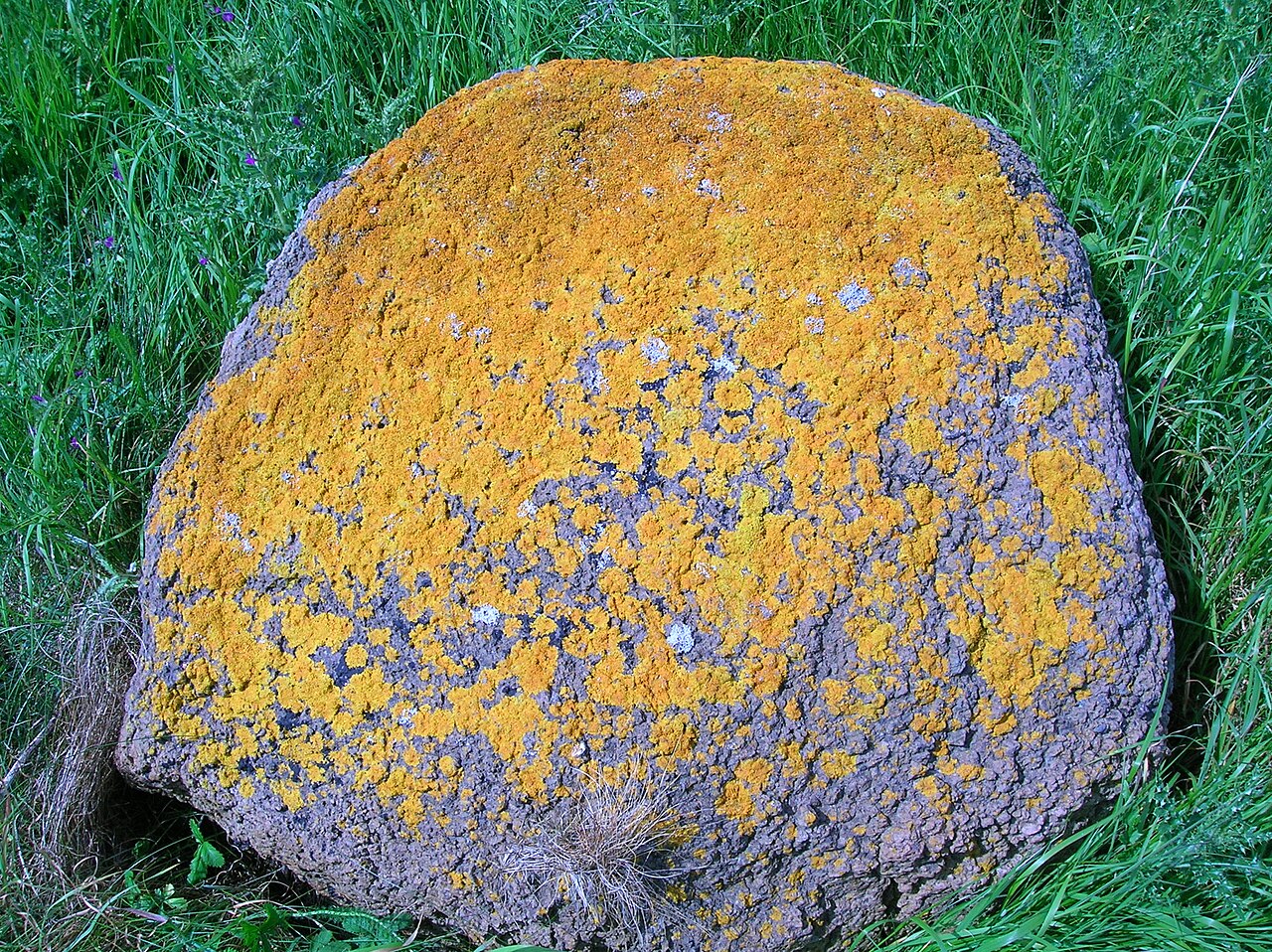
Lichens are composite organisms that arise from a long-term association between a fungus and one or more photosynthetic partners. They grow on a wide range of surfaces — rock, soil, bark, roofs and even man-made materials — and often appear plant-like, although they are not plants. The visible body of a lichen is called the thallus and represents the integrated result of the partners living together.
Image gallery
10 Images






Partners and relationship
The dominant partner is usually a fungus (the mycobiont) while the photosynthetic partner (the photobiont) may be a green alga or a cyanobacterium. In many lichens the two partners exchange nutrients: the photobiont supplies carbohydrates from photosynthesis, while the fungus provides mineral nutrients, water retention and physical protection. Scientists commonly discuss the fungal partner and the photosynthetic partner when describing this relationship.
Forms and structure
Lichen thalli come in several basic growth forms, which are useful for identification and ecological description:
- Crustose — flat crusts tightly attached to the substrate.
- Foliose — leaf-like, with an upper and lower surface and loose attachment.
- Fruticose — bushy or shrubby, often three-dimensional and branched.
Reproduction and lifecycle
Lichens reproduce in multiple ways. The fungal partner may reproduce sexually, producing spores, while lichens also disperse via asexual propagules such as soredia or isidia that contain both partners. Successful establishment requires recolonization of both partners at a site or dispersal of joint propagules that already include the photobiont.
Ecology, uses and importance
Lichens are ecologically important as pioneers on bare rock, contributing to soil formation by physical and chemical weathering. They are sensitive to air pollution and are widely used as bioindicators of atmospheric quality. Humans have used lichens for dyes, traditional medicines, and fragrance fixatives; some species also have research interest for antimicrobial compounds.
History and notable facts
Historically lichens were thought to be single plants; in the 19th century scientists proposed their dual nature and that idea gradually gained acceptance. Lichens demonstrate complex symbioses that can involve multiple microbial partners beyond the classic fungal and algal components, making them a subject of ongoing ecological and microbiological research.
Questions and answers
Q: What are lichens?
A: Lichens are living things that grow on rocks.
Q: What is the composition of lichen?
A: Lichen is a mixture of two very different things, a fungus and an algae.
Q: Do lichens look like plants?
A: Yes, lichens look like plants, but they are not.
Q: When did botanists discover that lichens are not plants?
A: Botanists did not know that lichens are not plants until 1875.
Q: Can lichens trade things with each other?
A: Yes, the fungus and the algae in lichen trade things with each other.
Q: How does the fungus and the algae in lichen work together?
A: The fungus and the algae in lichen live together, and they exchange things with each other.
Q: What is the importance of the fungus and the algae in lichen?
A: The importance of the fungus and the algae in lichen is that they help each other and create a unique organism that can survive in harsh environments.
Related articles
Author
AlegsaOnline.com Lichen: symbiotic organisms of fungi and photosynthetic partners Leandro Alegsa
URL: https://en.alegsaonline.com/art/57794