
Leipzig Gewandhaus
Historic concert hall in Leipzig, Germany, home to the Leipzig Gewandhaus Orchestra; known for its musical heritage, three successive buildings, and acclaimed acoustics.
Overview
The Gewandhaus is a renowned concert hall in Leipzig, Germany, and serves as the permanent home of the Leipzig Gewandhaus Orchestra. The name Gewandhaus originally referred to a building used for cloth trade; over time the site became inseparably associated with orchestral music. Today the Gewandhaus is widely regarded for both its historical significance and its concert programming, attracting international soloists and conductors. It is often referenced simply as a concert hall of world importance.
Image gallery
9 Images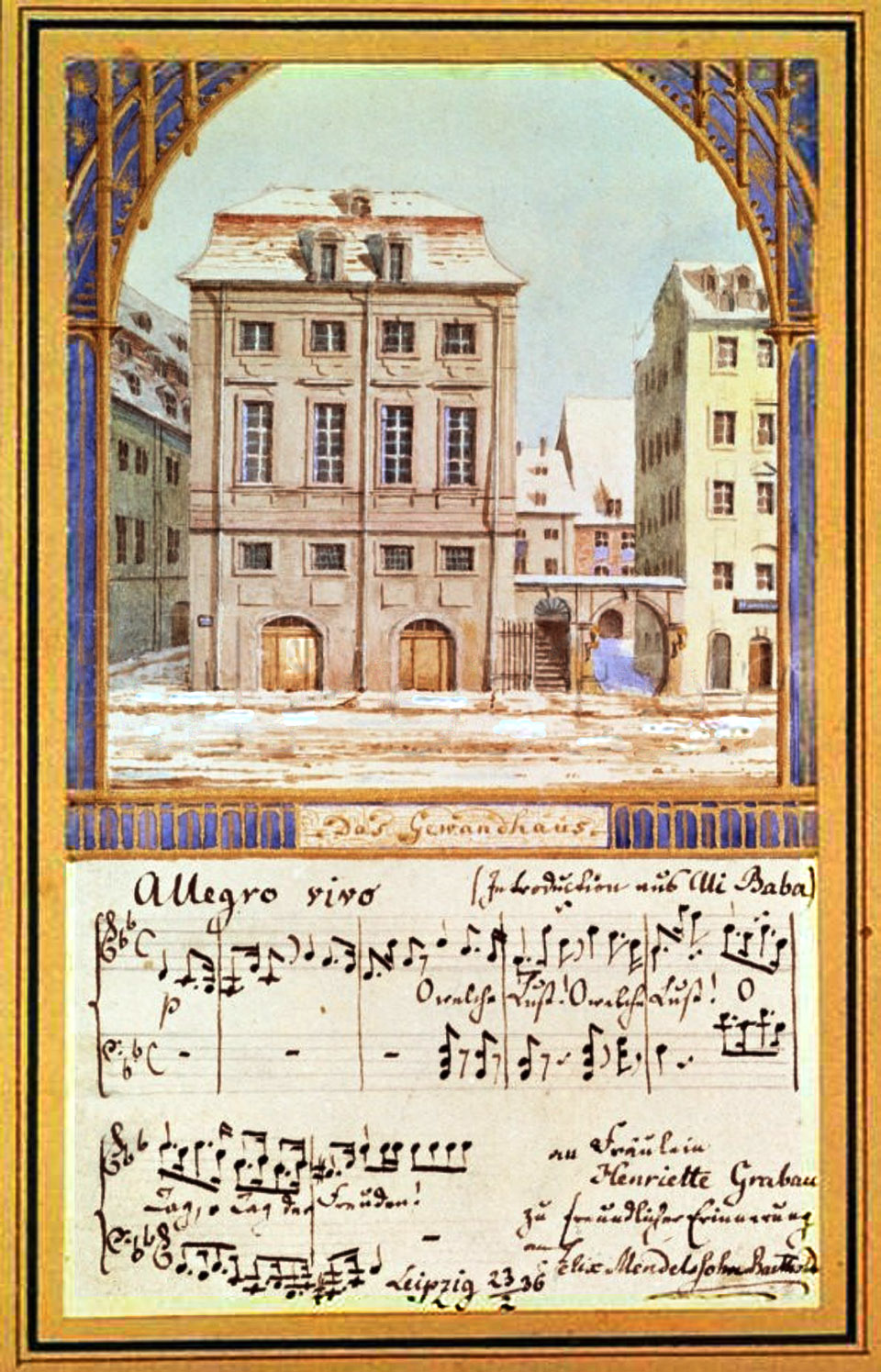


Name and origins
The word Gewandhaus literally means a house for garments or cloth. Merchants once sold textiles there, and part of the original function gave the building its name. The transition from trade venue to cultural institution was gradual: civic and private concerts began to be held in the premises, and a permanent orchestra grew out of that tradition. Earlier commercial use and later musical use coexist in the name’s history, reflecting Leipzig’s role as a trading and cultural center.
History and buildings
The institution known as the Gewandhaus has occupied three different buildings. The first hall was established in the late 18th century and provided a regular home for public concerts. A larger second Gewandhaus opened in the 19th century to accommodate growing audiences and a flourishing orchestral life. That second hall was destroyed by bombing during World War II, and the present, third Gewandhaus was inaugurated in 1981 on the site of earlier halls. Throughout these changes the orchestra maintained a continuous identity and repertory tradition.
Architecture, acoustics and facilities
Each Gewandhaus building reflected the architectural and technical expectations of its era. The modern hall combines contemporary building standards with attention to acoustic clarity and warmth—qualities for which the venue is well known. Facilities today typically include rehearsal spaces, administrative offices, and modern stage and audience amenities to support symphonic concerts, chamber music, and recordings. Musicians and critics frequently praise the hall’s acoustic balance and the sense of proximity between players and listeners; discussions of its sound are a regular feature in accounts of the venue's merits and reputation, including online and specialist commentary (acoustics).
Role and repertoire
The Gewandhaus and its orchestra play a central role in Leipzig’s cultural life, presenting a wide range of repertoire from Baroque to contemporary music. Historically notable figures, including prominent 19th-century musicians, have shaped the ensemble’s direction. The hall hosts subscription series, guest conductors, solo recitals, and educational projects for young audiences. It is also a frequent recording location, helping disseminate the orchestra’s interpretations internationally.
Notable facts
- The Gewandhaus name preserves the link between Leipzig’s commercial past and its musical present; local merchants originally used the site for cloth trading.
- The continuity of the orchestra through three buildings illustrates resilience after wartime loss and postwar reconstruction in Germany.
- Writings and program notes often refer readers to further information about the hall’s history and significance; for general orientation see cultural guides to concert halls and city resources on Leipzig.
Related articles
Author
AlegsaOnline.com Leipzig Gewandhaus Leandro Alegsa
URL: https://en.alegsaonline.com/art/57056