
Leet (1337): Internet orthography and playful coded writing
Leet (1337) is an alternative orthography that uses ASCII characters and letter substitutions to stylize, obfuscate, or convey identity in online communities, gaming, and hacker culture.
Overview
Leet, often written as 1337 or l33t, is an informal system of writing that substitutes letters with visually similar digits, punctuation, and symbols. It originated in early online communities and bulletin board systems and remains a recognizable part of internet subculture. Leet is primarily applied to English but is adaptable to many languages and scripts. For background reading on orthographies and internet language, see alphabet resources and broader discussions of English online usage.
Image gallery
6 Images


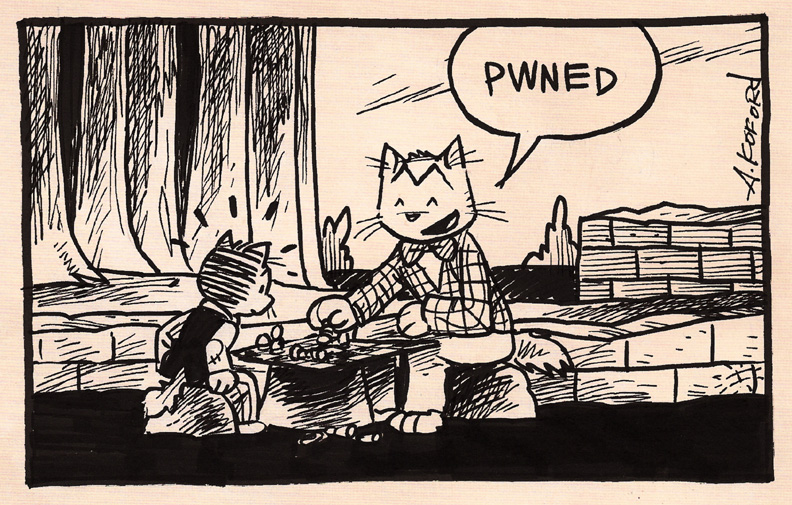
Characteristics and common forms
At its core leet replaces characters so that words remain legible but look stylized or obscured. Common substitutions include using 4 or @ for A, 3 for E, 1 or | for I and L, 0 for O, 7 for T, and 5 or $ for S. Writers may mix case, repeat characters, or add punctuation. These conventions evolved in chat rooms, forums, and multiplayer games; see examples from forums, chat rooms, and gaming communities.
History and cultural context
Leet arose as part of early hacker, warez, and gaming cultures where stylized text signaled in-group identity, made names unique, or evaded simple automated filters. It was also practical when character sets were limited and typographic options scarce. Over time leet shifted from functional obfuscation to playful memetics, influencing memes, usernames, and creative text art. Surveys of its development appear in accounts of online culture and subcultures; for general context see internet culture studies and ASCII-related histories at ASCII resources.
Uses, examples, and limitations
People use leet to show membership in a group, create distinctive nicknames, or make text harder for automated moderation to parse. Simple examples: leet for "leet" can be 1337 or l33t; "elite" might be 3l1t3. Because patterns are informal, automatic translation is imperfect and many modern systems normalize text. Leet is not a true cipher with fixed rules but rather a flexible orthography.
Variants and notable facts
Variants range from light substitutions to elaborate renditions that are nearly unreadable. Languages beyond English can adopt leet-like substitutions; for instance, speakers may adapt patterns in French, Spanish, or German contexts. Contemporary use is mostly playful or stylistic rather than secretive, though it still figures in identity play and nostalgia for early internet eras.
Further reading
Questions and answers
Q: What is leet?
A: Leet, sometimes written as "1337" or "l33t", is an alternative alphabet for the English language that is used mostly on the internet. It uses various combinations of ASCII characters to replace Latinate letters.
Q: How is leet spelled?
A: Leet spellings of the word leet include 1337 and l33t; eleet may be spelled 31337 or 3l33t.
Q: Where is leet used?
A: Leet is used on the internet in forums, chat rooms and online games.
Q: Is leet only used for English?
A: No, it can also be used with other languages including French, Spanish and German.
Q: What are some examples of how words are written in leetspeak?
A: Examples of words written in leetspeak include 1337 for 'leet' and 3l33t for 'eleet'.
Q: What type of characters does leetspeak use to replace Latinate letters? A: Leetspeak uses various combinations of ASCII characters to replace Latinate letters.
Related articles
Author
AlegsaOnline.com Leet (1337): Internet orthography and playful coded writing Leandro Alegsa
URL: https://en.alegsaonline.com/art/56936
Sources
- worldcat.org : A - N.
- urbandictionary.com : Urban Dictionary: QQ