
Online game
Interactive video games played over a network, ranging from simple browser minigames to large persistent multiplayer worlds; includes types, history, social impact, and common technical and business models.
Overview
An online game is a video or computer game played by one or more people over a network, most commonly the internet. Online games can be simple single-session puzzles or long-running environments where many players interact in real time. They are designed for entertainment but are also used for education, socializing, training and research.
Image gallery
2 Images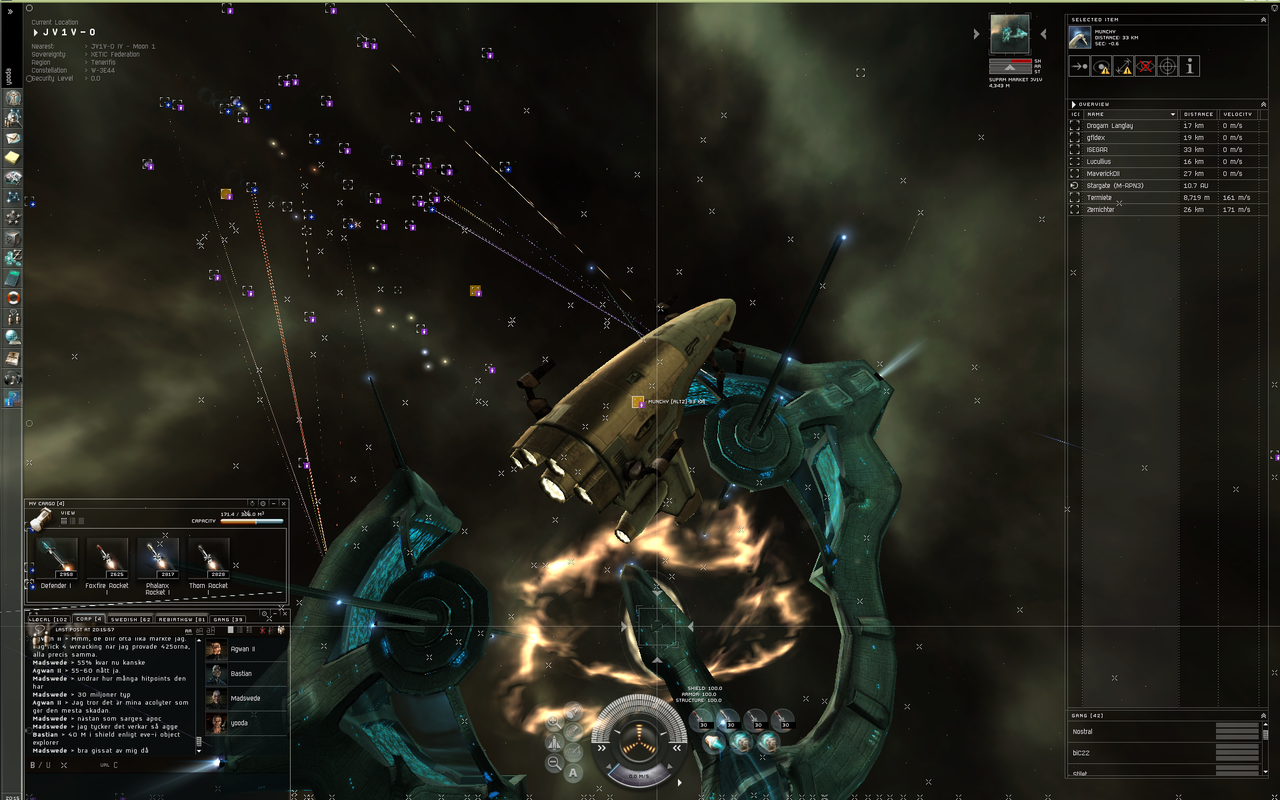

Characteristics and common components
Online games typically involve a few technical and design elements that set them apart from offline games. These include networked play (peer-to-peer or client–server), account systems, matchmaking, and persistent data that records player progress. Common gameplay features are cooperative and competitive modes, leaderboards, social tools like chat and friends lists, and in-game economies.
Types and examples
- Casual and browser games: short, accessible titles often playable in a web browser or mobile app. Many are free-to-play and supported by ads or in-app purchases. Web portals host large collections of these games.
- Massively multiplayer online games (MMOs/MMORPGs): persistent worlds where thousands of players coexist, pursue goals and develop characters.
- Competitive multiplayer: team-based shooters, real-time strategy, and MOBA titles focused on skill and ranked play.
- Social games and virtual worlds: emphasize avatars, social interaction and user-created content.
History and development
The idea of networked interactive play predates modern broadband: text-based multi-user dungeons (MUDs) and early networked experiments paved the way for graphical online environments. In the late 20th century commercial MMOs and online services expanded availability. Advances in web technology, mobile devices and cloud services further diversified how and where people play.
Social, cultural and economic impact
Online games operate as social spaces where friendships, teams and communities form. They support economies that range from in-game currencies to professional esports and streaming careers. Monetization models vary: subscriptions, one-time purchases, microtransactions, advertising and hybrid systems. Large titles can influence trends in entertainment, community norms and technology adoption.
Challenges and distinctions
Online games face technical challenges such as latency, server stability and cheating, and social challenges including moderation, privacy and addictive behavior. Distinguishing online from offline games is not always binary: many single-player titles include online features like leaderboards or cloud saves, while some multiplayer experiences can be hosted locally. The balance between player freedom, safety and sustainable business models remains a key concern for developers and communities.
For technical information and developer resources see developer networks and documentation, which explain server architectures, match-making systems and common best practices.
Related articles
Author
AlegsaOnline.com Online game Leandro Alegsa
URL: https://en.alegsaonline.com/art/72647