
Letter case: uppercase and lowercase letters, history, rules, and computing
Letter case distinguishes uppercase (capital) and lowercase forms in alphabets such as Latin, Greek, and Cyrillic, with historical, typographic, linguistic and computing implications.
Letter case refers to the paired forms of letters—commonly called uppercase or capital letters and lowercase letters—that exist in many alphabetic scripts. The distinction affects appearance, meaning and orthography: some languages use capitals to mark sentence starts, proper names or special categories of words. Scripts that make this distinction include the Latin, Greek and Cyrillic alphabets, among others, and the terms used by scholars for the two sets are majuscule (large) and minuscule (small).
Image gallery
10 Images






Names and typographic origin
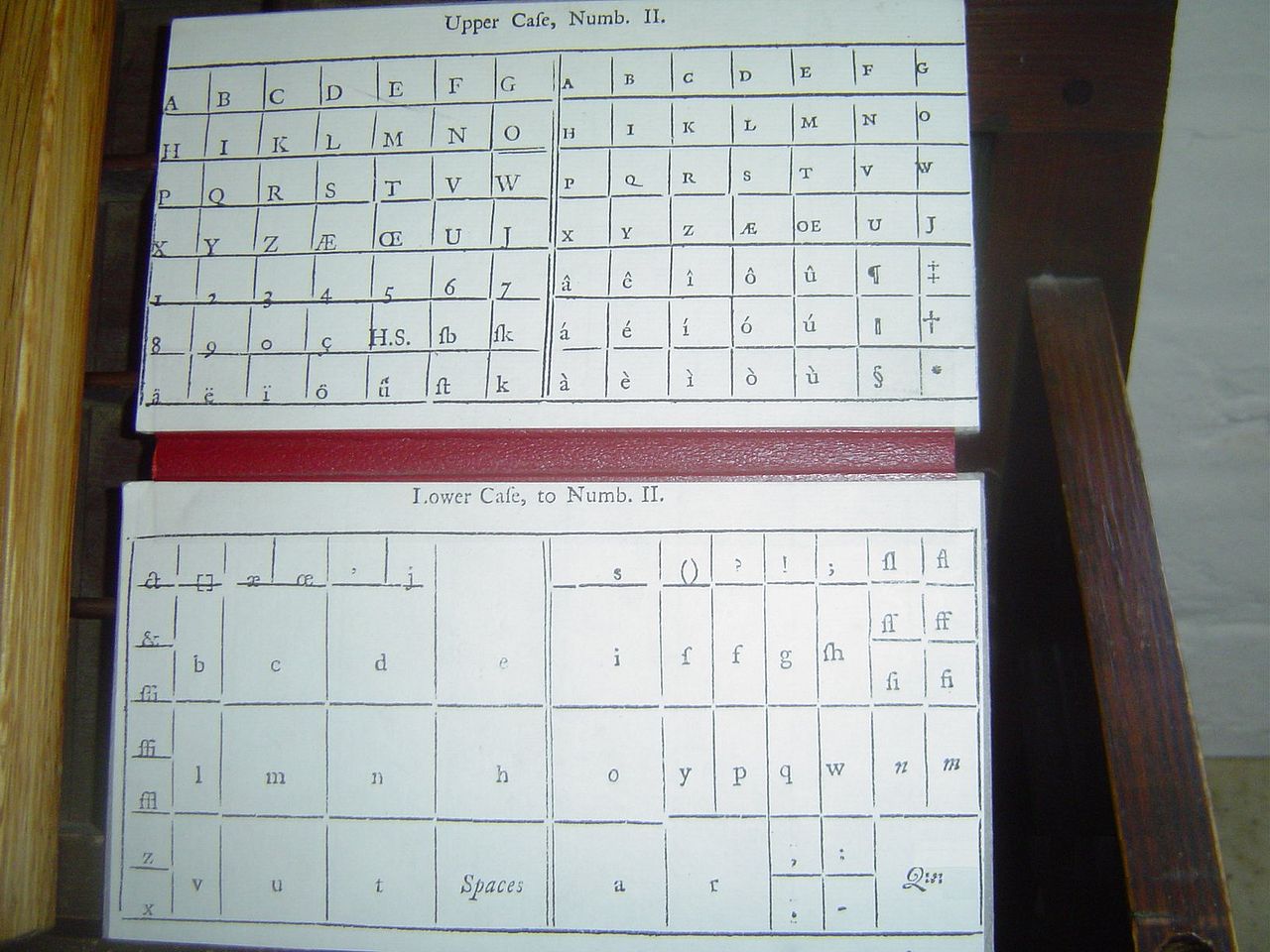
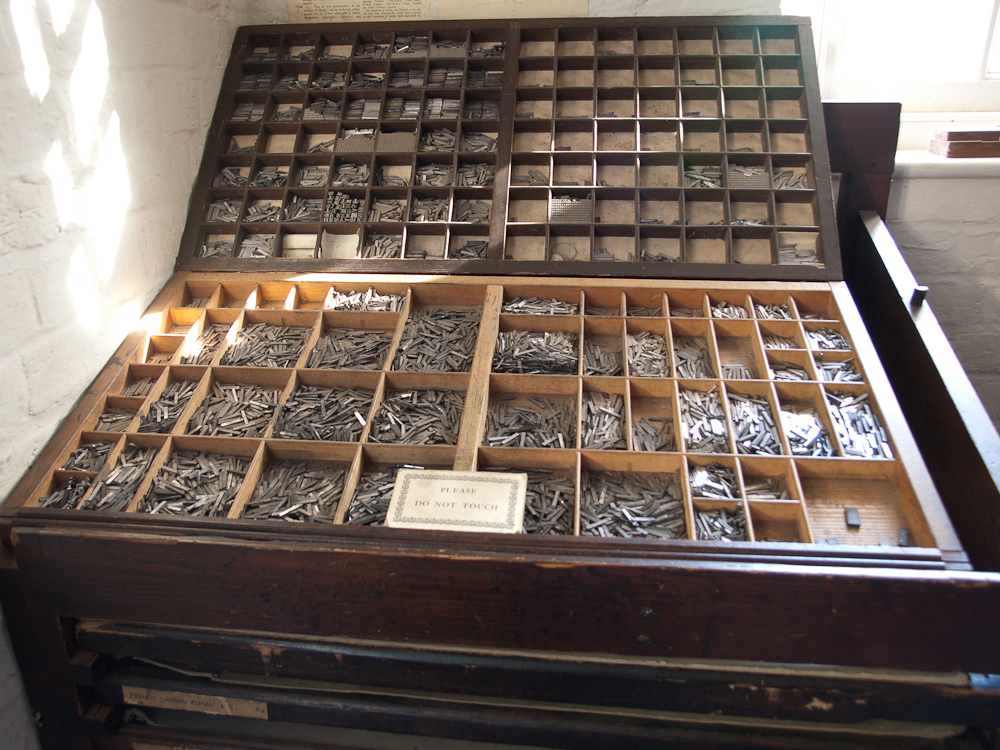
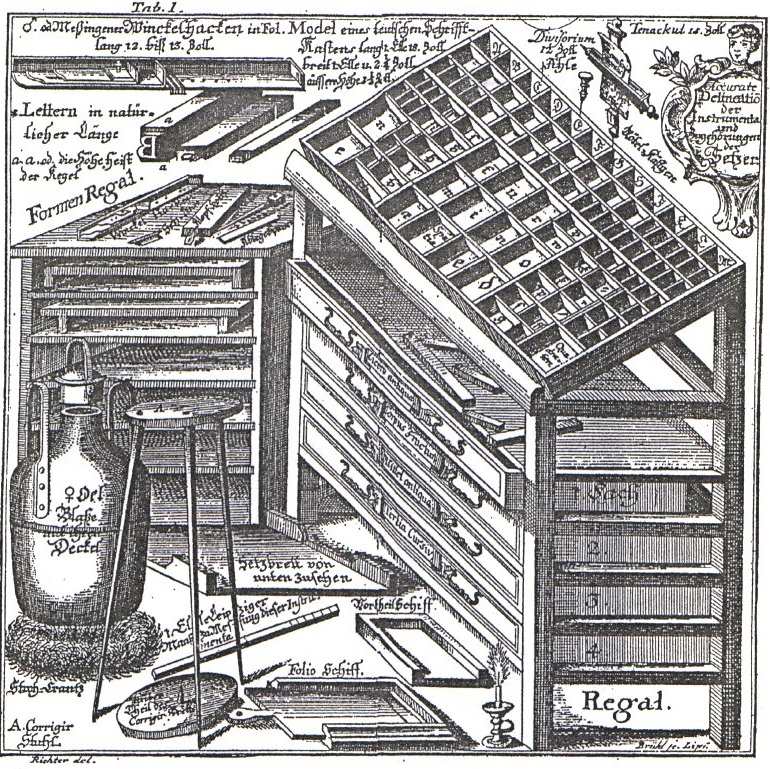
The conventional English names "uppercase" and "lowercase" derive from the physical layout of type cases on a compositor's workbench: metal or wooden sorts for capitals were once kept in the upper drawer and the smaller, more numerous lowercase sorts in the lower drawer. This practical origin is reflected in older technical accounts and is often cited in introductions to typography. The same distinction is described in specialist terminology as majuscule (capital letterforms) and minuscule (lowercase letterforms).
Historical development
The earliest alphabetic systems were written with single, unvarying letterforms similar to what we would call capitals. Over centuries of handwriting practice, especially in medieval Europe, faster and more compact forms evolved; these developed into what we now call lowercase letters. Key stages in that evolution include uncial and half-uncial scripts, and the later Carolingian minuscule, which provided a clear, consistent set of forms that printers adapted for early movable type. The process was gradual: many European languages did not display a clear two-case system until the later Middle Ages and the Renaissance, when printing helped standardize letter shapes and capitalization conventions.
Orthographic rules and examples
Different languages apply case in different ways. In English, capitals commonly mark the first word of a sentence and proper names; in German, nouns are capitalized regardless of whether they are proper nouns. Other languages have their own conventions for titles, acronyms and emphasis. Some specific complications include languages with special letters or diacritics that change shape when uppercased, and languages with unique case pairs such as the dotted and dotless forms of the letter I in Turkish.
- Sentence-initial capitalization: most alphabetic languages with case capitalize the first letter of a sentence.
- Proper nouns: names of people, places, organizations and sometimes products are typically capitalized.
- Language-specific rules: German capitalizes all nouns; English typically capitalizes only proper nouns and certain titles.
- Title and headline styles: some systems use "title case," others use "sentence case" or specialized headline capitalization.
Typography, computing and case mapping
In typography, uppercase and lowercase forms serve aesthetic and functional roles: uppercase is often used for emphasis, headings or starting sentences, while lowercase improves readability in continuous text. Modern computing represents case distinctions through character encodings and standards such as Unicode, which supply separate code points for many uppercase and lowercase letters and define rules for mapping between them. Case folding and locale-aware case mapping are practical concerns in software: simple uppercasing or lowercasing operations can produce incorrect results if they ignore language-specific rules (for example, the treatment of the letter I in Turkish).
Notable distinctions and practical notes
Some scripts do not have case distinctions at all; for example, many logographic and syllabic systems use a single form per letter or symbol. Even within alphabetic traditions, historical and stylistic variants exist: small caps, all-caps settings, and decorative majuscules are typographic choices rather than separate letters. For further reading on related topics—type history, script evolution, orthographic rules and technical case handling—see introductory resources and style guides available from typographic and linguistic authorities.
References and links: uppercase letters, writing systems, printing press, type cases, Greek alphabet, first alphabets, Middle Ages, Greek, Latin, European languages, German, nouns, English, proper nouns.
Questions and answers
Q: What is letter case?
A: Letter case is the difference between uppercase/capital letters and lowercase letters for certain writing systems.
Q: Why is it called uppercase and lowercase letters?
A: The name comes from letters on a printing press, where uppercase letters were stored on top of the lowercase letters in a drawer. Their formal names are "majuscule" and "minuscule" in the same order.
Q: Which alphabets have letter case?
A: Writing systems that have letter case include the Latin alphabet, the Greek alphabet, and the Cyrillic alphabet.
Q: How did lowercase letters become a part of alphabets?
A: When the first alphabets were made, they only had capital letters. Over time, especially during the Middle Ages, lowercase letters were made to write more quickly.
Q: Do all languages have clear differences between capital and lowercase letters?
A: No, other than Greek and Latin, European languages made no clear differences between capital and lowercase letters until the year 1300.
Q: Can you give an example of different capitalization rules in two languages?
A: Yes, for example, German always capitalizes nouns, while English only capitalizes proper nouns, so while German would write "the automobile" as "das Auto", English would not do the same.
Q: In what circumstance nearly all languages with letter case capitalize the first letter of the first word?
A: Nearly all languages with letter case capitalize the first letter of the first word of every sentence.
Related articles
Author
AlegsaOnline.com Letter case: uppercase and lowercase letters, history, rules, and computing Leandro Alegsa
URL: https://en.alegsaonline.com/art/57510