
Leonese language (Llionés): history, features, and current status
Leonese (Llionés) is a Romance language of northwestern Iberia, historically from the Kingdom of León. It survives in parts of Spain and Portugal and is the focus of local revival efforts and official recognition.
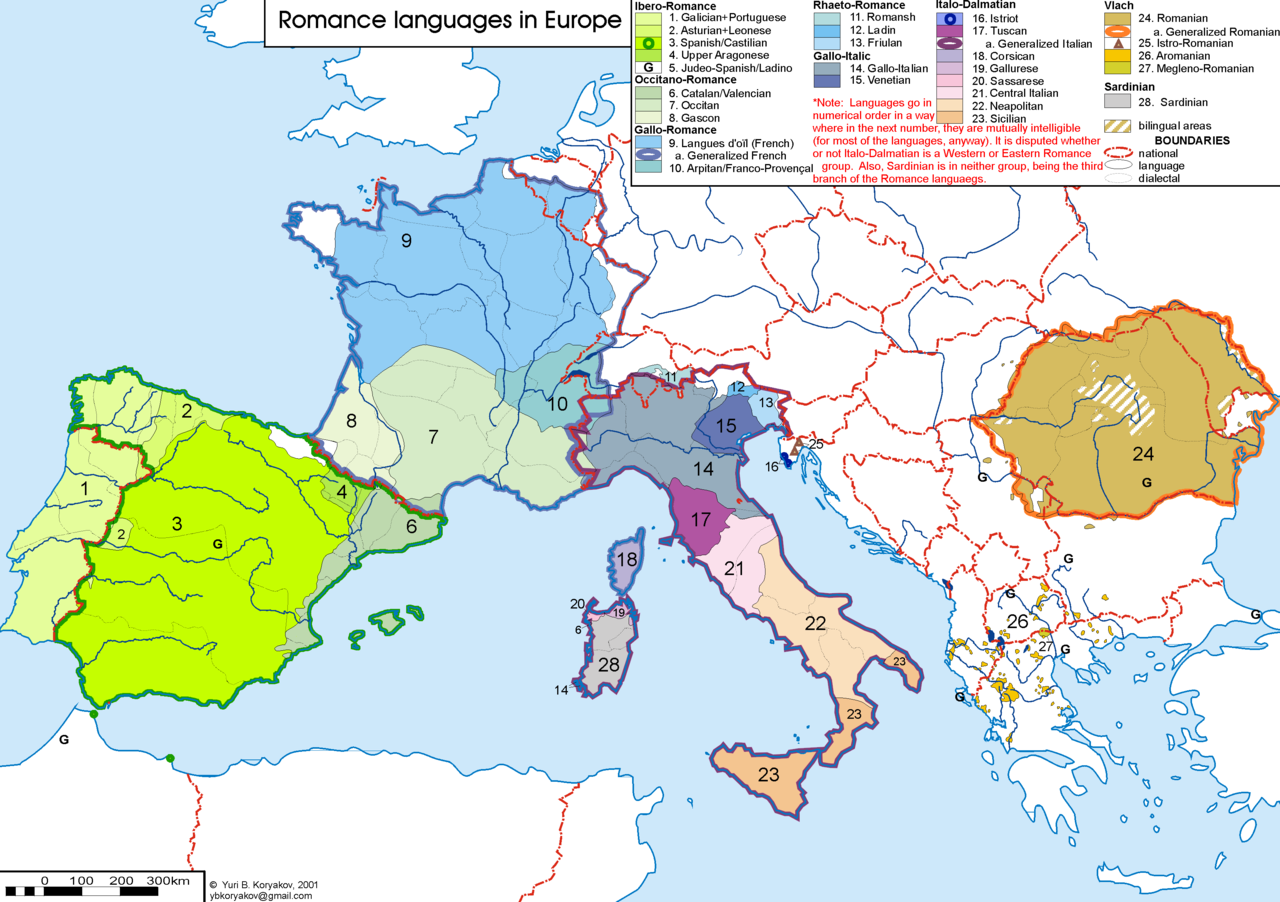
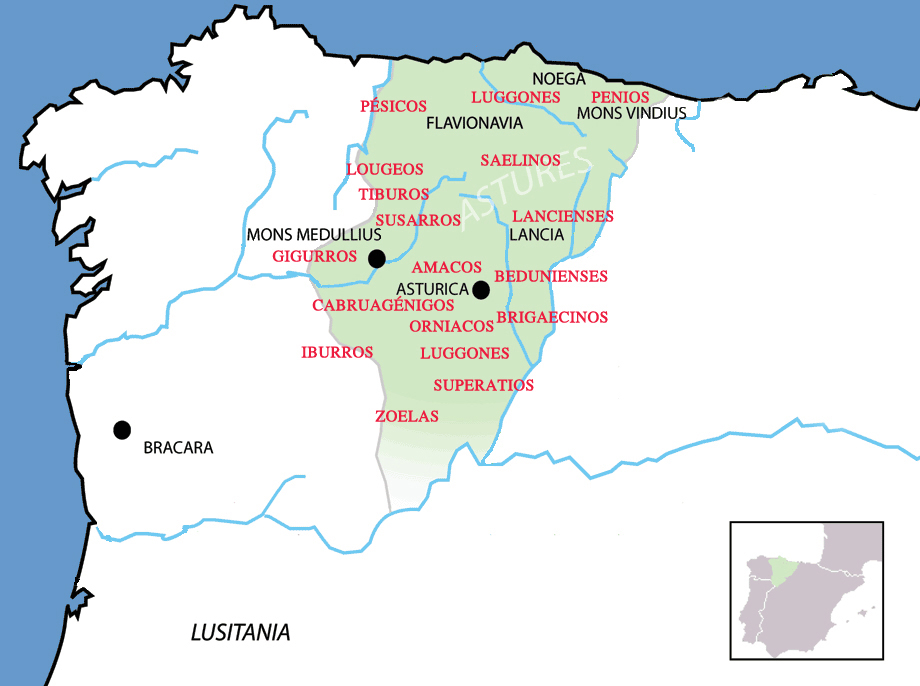
The Leonese language, known natively as Llionés, is a western Iberian Romance language historically spoken in the province of León and neighbouring Zamora in Spain, and in border communities such as Bragança in Portugal. It belongs to the Astur-Leonese subgroup of the Romance languages and developed from the Latin introduced to the region after the Roman period.
Image gallery
7 Images




Characteristics and dialects
Leonese displays phonetic and lexical traits that distinguish it from neighbouring Spanish varieties: conservation of certain vowel qualities, palatal consonants, and a number of archaic words preserved from Medieval usage. It exists as a cluster of local dialects rather than a single standardized form; these dialects form a continuum with Asturian in the west and with Mirandese varieties across the border in Portugal.
Historical background
The language has deep medieval roots and was the principal vernacular of the Kingdom of León during the Middle Ages, appearing in legal texts, charters and literature of the period. Over centuries the rise of Castilian (Spanish) as the dominant administrative and literary language reduced Leonese use in public life, although it remained in rural speech communities.
Today Leonese is considered endangered by scholars and language-monitoring organizations; its decline accelerated during the 19th and 20th centuries as education and media shifted to Spanish. At the regional level there are measures of recognition and protection: the autonomous community of Castile and León has acknowledged Leonese as part of its cultural heritage and some local programs support teaching and materials development.
Revitalization activities include community classes, local publishing, theatrical productions and linguistic documentation. Typical initiatives are small-scale schools, summer courses, and dictionaries or primers published by cultural associations. These efforts aim to increase intergenerational transmission and raise public awareness.
- Importance: Leonese carries place names, idioms and oral traditions that are central to regional identity.
- Distinctive facts: It forms a linguistic bridge between Asturian and Mirandese and has left traces in regional toponymy and folk literature.
- Challenges: Lack of a unified standard, limited institutional support and small speaker numbers impede wider revitalization.
For readers seeking further background on the region, language family, medieval history or contemporary recognition, the linked references at the start of this article point toward regional and linguistic resources. Together, historical significance and ongoing community action keep Leonese relevant as a subject of study and cultural revival.
Questions and answers
Q: What is the Leonese language?
A: The Leonese language is a Romance language spoken in León and Zamora in Spain, as well as Bragança in Portugal.
Q: Was the Leonese language spoken in the past?
A: Yes, the Leonese language was spoken in the Kingdom of León during the Middle Ages.
Q: Is the Leonese language in danger of becoming extinct?
A: Yes, the UN recognizes the Leonese language as "seriously endangered."
Q: Is the Leonese language recognized by any government entity?
A: Yes, the Leonese language is officially recognized by Castile and León.
Q: In which countries is the Leonese language spoken?
A: The Leonese language is spoken in Spain (specifically in León and Zamora) and in Portugal (specifically in Bragança).
Q: Is the Leonese language similar to other Romance languages?
A: Yes, being a Romance language, the Leonese language is similar to other Romance languages like Spanish and Portuguese.
Q: What is the importance of preserving the Leonese language?
A: Preserving the Leonese language is important for cultural and linguistic diversity, as well as for historical and anthropological reasons.
Related articles
Author
AlegsaOnline.com Leonese language (Llionés): history, features, and current status Leandro Alegsa
URL: https://en.alegsaonline.com/art/57227