
Letter box (mailbox): purpose, types, history and use
A letter box (mailbox) is a receptacle for receiving postal items at homes, businesses, or public locations. This article explains forms, functions, history, placement, and differences from collection boxes.
Overview
A letter box, commonly called a mailbox in some countries, is a receptacle designed to receive incoming postal items delivered by a mail carrier. It may be a simple slot in a door, a mounted container at the entrance of a property, or part of a larger communal unit. A letter box accepts letters and small parcels for the occupant; it is distinct from a public collection box used for sending mail.
Image gallery
10 Images




Parts and characteristics
Typical features include an opening or slot to receive mail, an internal compartment to hold items, and a weatherproofing element such as a flap or seal. Some units include locks to prevent theft, nameplates or address numbers for identification, and drainage or ventilation to protect contents from moisture. For more on standard definitions see definitions and examples.
Types
- Wall-mounted boxes built into doors or exterior walls.
- Freestanding mounted boxes on posts near the street.
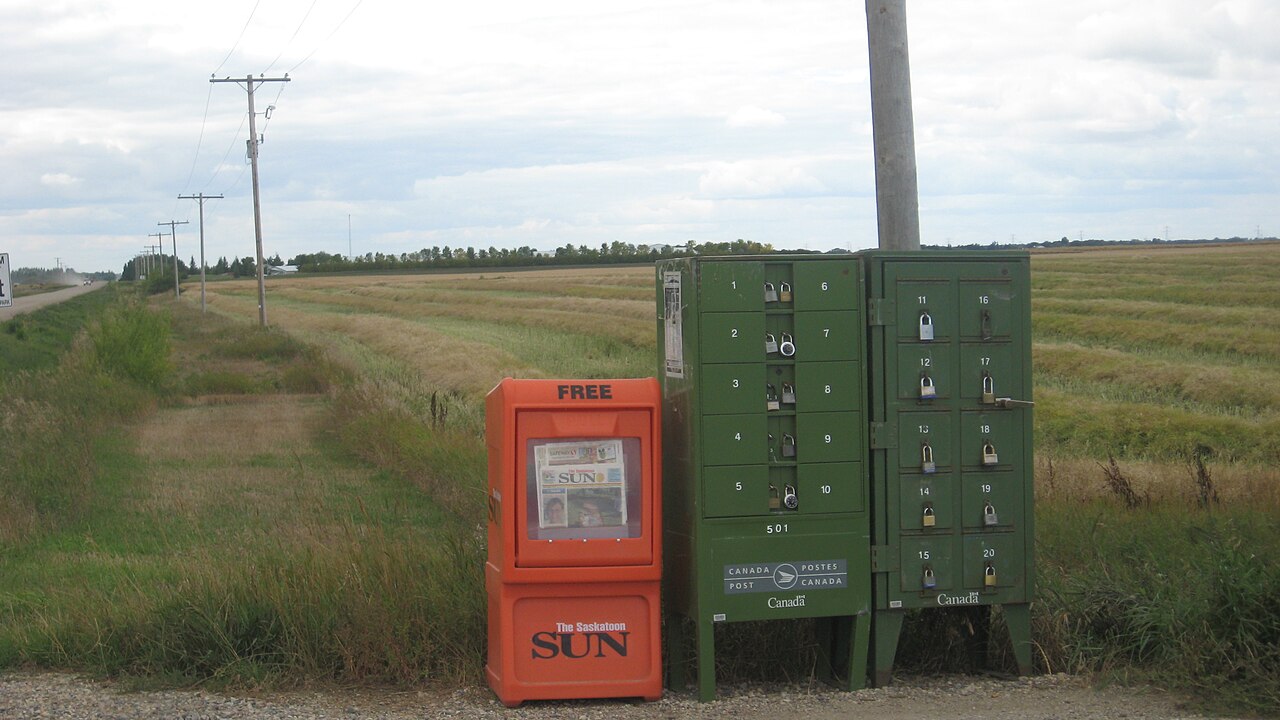
- Cluster or communal mailboxes serving multiple addresses in an apartment or subdivision.
- Pillar or curbside boxes in public settings where postal staff deliver directly.
Designs vary by country and by postal service rules; some regions favor slots in doors while others provide standardized boxes at the curb. See examples of placement and forms at mail delivery arrangements.
History and development
Private and public receptacles for correspondence have existed in various forms for centuries. The modern dedicated letter box for public delivery emerged in the 19th century as organized postal systems expanded and regular door-to-door delivery became common. Over time, materials and security features have evolved, and many jurisdictions now regulate size, placement and locking requirements.
Uses and practical considerations
Letter boxes are used to receive bills, personal letters, small parcels and official notices. Property owners should position boxes for safe and convenient access for carriers and occupants, maintain clear addressing, and consider security measures such as locks or pickup schedules for sensitive mail. When sending mail, people use a separate collection or post box rather than the private inbound box; compare sending and receiving options at sending vs receiving.
Regulation and notable distinctions
Postal authorities often set rules about mailbox dimensions, mounting height, and identification to ensure efficient delivery. A key distinction is between a private letter box (for incoming items) and a public post box (for collecting outgoing mail). For guidance on standards and local practices consult official resources or your postal service information pages.
Note: Terminology and designs differ internationally: "letter box," "mailbox," or "post box" may mean different things depending on local usage and whether the device is for receiving or sending mail.
Related articles
Author
AlegsaOnline.com Letter box (mailbox): purpose, types, history and use Leandro Alegsa
URL: https://en.alegsaonline.com/art/57509