
Laura Ingalls Wilder
American author best known for the Little House series, chronicling frontier childhoods in the late 19th century; her books inspired adaptations and continuing discussion about historical portrayal and legacy.
Overview
Laura Ingalls Wilder (1867–1957) was an American writer who transformed memories of a frontier childhood into a popular series of children's books. Her narratives combine personal recollection with imaginative reconstruction of family life on the 19th-century American prairie. For background and archival references see biographical sources and contemporary writer profiles.
Image gallery
10 Images


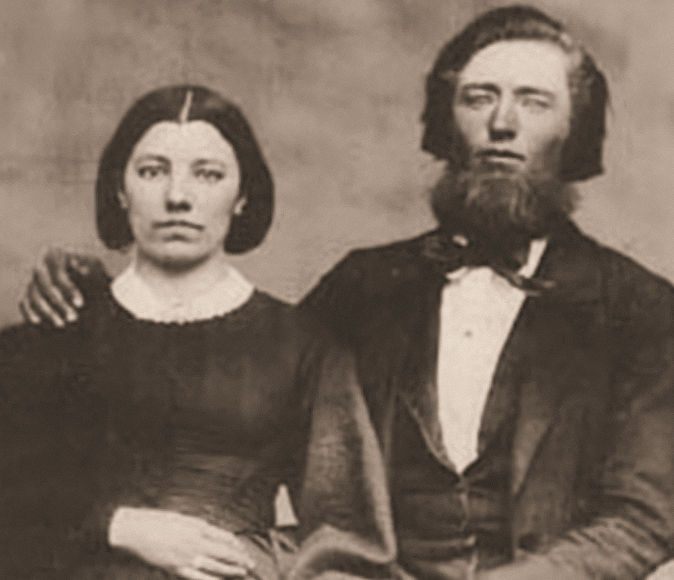
Early life and background
Wilder was born in what is now Wisconsin and spent parts of her youth in several Midwestern states. Her early years are commonly associated with locations such as Wisconsin, Missouri, and Kansas. As a teenager she worked as a teacher in South Dakota, a role that helped support her family and later informed details of schoolroom life in her books.
Writing career and the Little House books
Wilder is best known for the "Little House" series, a sequence of semi-autobiographical novels that chart a family's movements across the American frontier. The books most often referenced include titles such as:
- Little House in the Big Woods
- Little House on the Prairie
- By the Shores of Silver Lake
- The Long Winter
These works were edited and shaped in collaboration with others and first reached wide audiences in the 1930s and 1940s; the series remains a staple of U.S. children's literature. For the books themselves see Little House books.
Adaptations, reception, and legacy
Wilder's stories inspired a long-running television adaptation that introduced her characters to a new generation. The series featured performers such as Melissa Gilbert as Laura and Michael Landon as Charles 'Pa' Ingalls. Beyond entertainment, Wilder's work has been influential in discussions about American pioneer life, children's literature, and how personal memory becomes public narrative.
Notable distinctions and contemporary discussion
Wilder's books are praised for vivid domestic detail and straightforward prose, but they have also prompted careful reassessment: historians and readers examine how Native Americans, African Americans, immigrants, and other groups are represented in frontier narratives. That complexity has led to debates about how to preserve historical works while addressing outdated or problematic elements.
Related articles
Author
AlegsaOnline.com Laura Ingalls Wilder Leandro Alegsa
URL: https://en.alegsaonline.com/art/56284