
Laurens Hammond
American inventor and engineer best known for creating the Hammond organ and other electromechanical instruments that shaped 20th-century popular and church music.
Overview
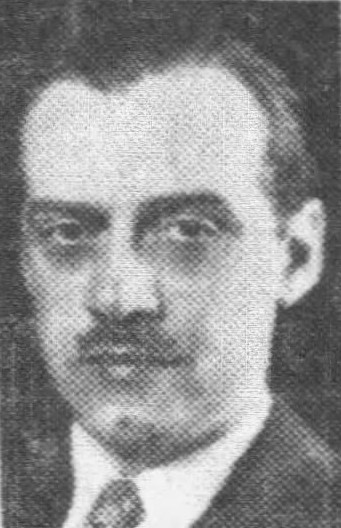
Laurens Hammond (January 11, 1895 – July 3, 1973) was an American inventor and engineer whose work bridged mechanical and electrical design. He is most widely remembered for the Hammond organ, an electromechanical keyboard instrument that became influential in churches, jazz clubs, gospel choirs and popular music from the mid-20th century onward.
Image gallery
4 Images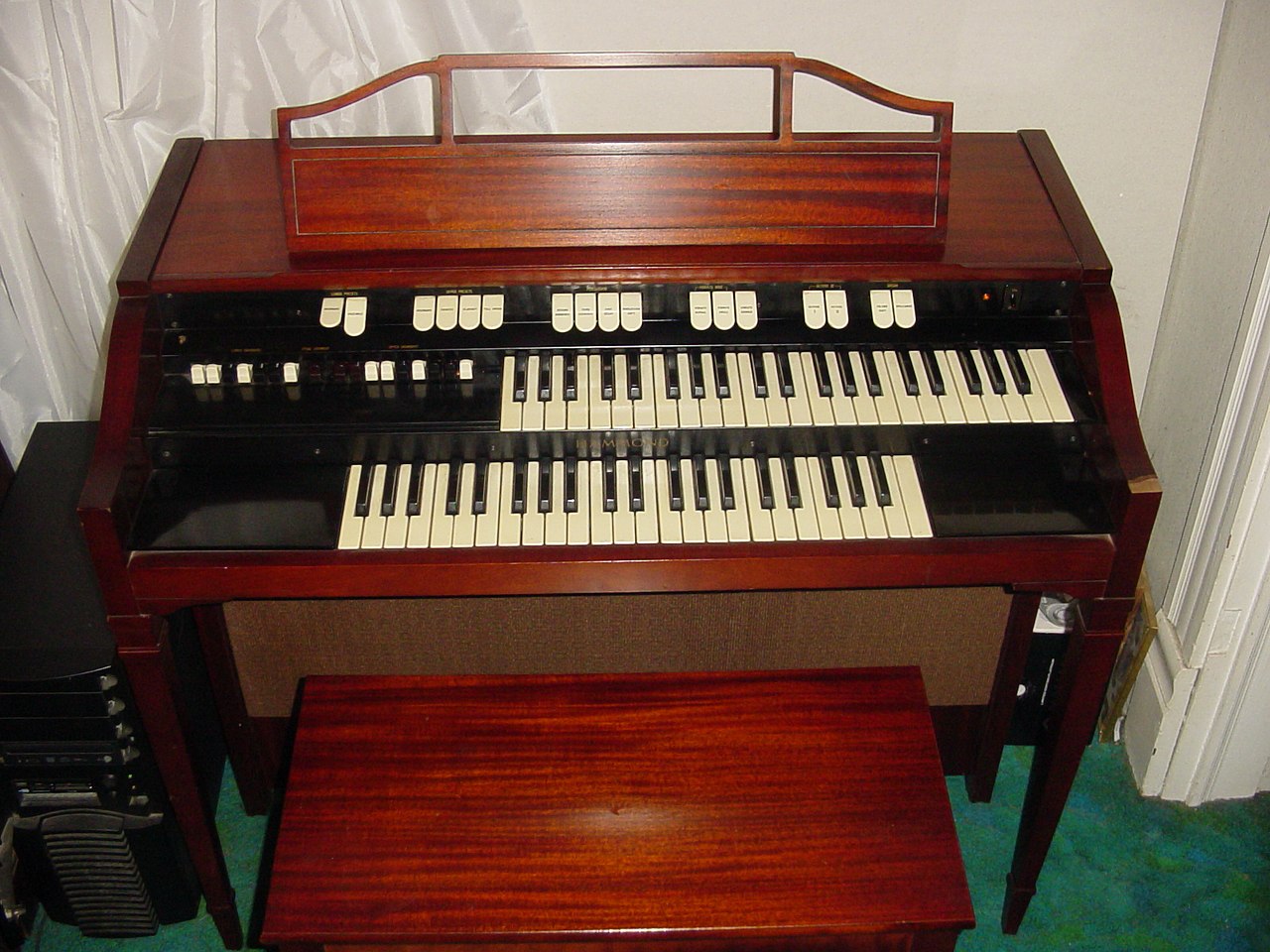


Early work and inventions
Trained as an engineer, Hammond began his career designing precision devices and small electric motors. Before the organ he developed timekeeping and control mechanisms that demonstrated his interest in combining mechanical motion with electrical signal generation. Several of his early patents and products focused on reliable synchronous drive systems and compact electromechanical assemblies.
Key instruments and technology
Hammond's best-known creation, the Hammond organ, used a bank of spinning metal tonewheels and electromagnetic pickups to produce musical tones. Rather than using pipes or pure electronic oscillators, this additive electromechanical system offered a portable, cost-effective alternative to pipe organs. Hammond also sponsored development of other instruments, including early polyphonic electronic keyboards that explored new timbres and controls.
Uses and cultural impact
The characteristic sound of Hammond organs—often shaped further by drawbars and external rotary speakers—became a signature in many musical styles. Musicians and venues valued its expressive capabilities, portability and robust construction. Churches adopted it where pipe organs were impractical; studio and live musicians found it adaptable for jazz, blues, rock and soul.
Legacy and notable facts
- Hammond's design influenced later electronic instrument makers and early synthesizer development.
- The instrument's distinctive sound was frequently paired with rotating speakers and amplification techniques developed by other inventors and musicians.
- Even after production methods evolved, vintage Hammond organs remain prized by collectors and performers.
Though primarily associated with a single iconic instrument, Laurens Hammond's career illustrates a broader engagement with electromechanical innovation and the practical application of engineering to musical problems.
Related articles
Author
AlegsaOnline.com Laurens Hammond Leandro Alegsa
URL: https://en.alegsaonline.com/art/56316
Sources
- hammondorgan.com.au : "Happy birthday Laurens Hammond"