
Laurean Rugambwa (1912–1997) — Tanzania's first cardinal
Laurean Rugambwa (1912–1997) was the first cardinal from sub‑Saharan Africa. A Tanzanian bishop and participant in the Second Vatican Council, he helped shape the postcolonial Catholic Church in East Africa.
Overview
Laurean Rugambwa (July 12, 1912 – December 8, 1997) was a Roman Catholic prelate from Bukongo in what was then Tanganyika. He is widely remembered as the first cardinal raised from sub‑Saharan Africa, a milestone that marked a shift in the Catholic hierarchy toward a more global and diverse leadership. His life spanned the late colonial period and the era of independence in East Africa, during which the local church evolved rapidly.
Image gallery
1 Image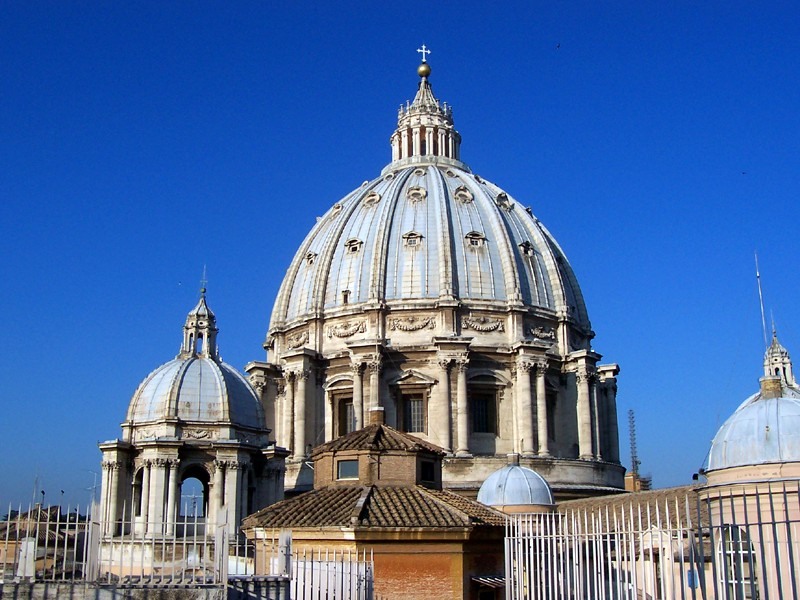
Early life and priesthood
Born in Bukongo, Rugambwa pursued religious studies and formation that led to his ordination to the priesthood in 1943. He undertook advanced studies in Canon Law in Rome at the Pontifical Urban College, preparing him for administrative and pastoral responsibilities. These studies connected him to the wider Roman church and positioned him to serve as a bridge between local African communities and the Holy See.
Bishop, cardinal and public role
In the early 1950s Rugambwa was consecrated a bishop, becoming one of the first native Tanzanian bishops at a time when most senior clergy in Africa had been missionaries from Europe. Pope John XXIII elevated him to the College of Cardinals in 1960, a symbolic recognition of the growing importance of the African church within Roman Catholicism. His elevation encouraged the appointment and formation of more indigenous clergy and bishops across the continent.
Participation in the Second Vatican Council
Cardinal Rugambwa was an active participant in the Second Vatican Council (1962–1965), which reshaped Catholic liturgy, ecumenical relations, and the role of bishops. At the council he was one of the voices representing the perspectives and pastoral realities of churches in Africa, contributing to discussions about inculturation, local leadership, and the church’s social mission in newly independent nations.
Key milestones
- 1912: Born in Bukongo, Tanganyika (Tanganyika).
- 1943: Ordained to the priesthood after theological studies and formation.
- Early 1950s: Consecrated a bishop, a significant step for the local clergy.
- 1960: Created cardinal by Pope John XXIII.
- 1962–1965: Participated in the Second Vatican Council.
- 1997: Died, leaving a legacy in the African Catholic hierarchy.
Legacy and significance
Rugambwa’s promotion signaled a broader transformation in the Catholic Church’s approach to Africa: local leadership, vernacular liturgy, and pastoral priorities tailored to African societies gained clearer recognition. He is often cited in histories of the African church as a pioneer who helped foster indigenous vocations and strengthen national church structures. His life and ministry remain a reference point for the development of Catholicism in Tanzania and across sub‑Saharan Africa.
Related articles
Author
AlegsaOnline.com Laurean Rugambwa (1912–1997) — Tanzania's first cardinal Leandro Alegsa
URL: https://en.alegsaonline.com/art/56298
Sources
- nytimes.com : "Laurean Rugambwa, Chosen Africa's First Cardinal, 85,"
- card-rugambwa.catholicweb.com : "Laurean Cardinal Rugambwa"
- select.nytimes.com : "Pope John Names a Negro Cardinal; A Native African, a Japanese and a Filipino Among 7 to Be Princes of Church,"