
Latin dance: styles, history, technique and cultural importance
Survey of Latin dance traditions, from social forms like salsa and tango to International Latin syllabus dances, with history, key characteristics, uses and distinctions.
Overview
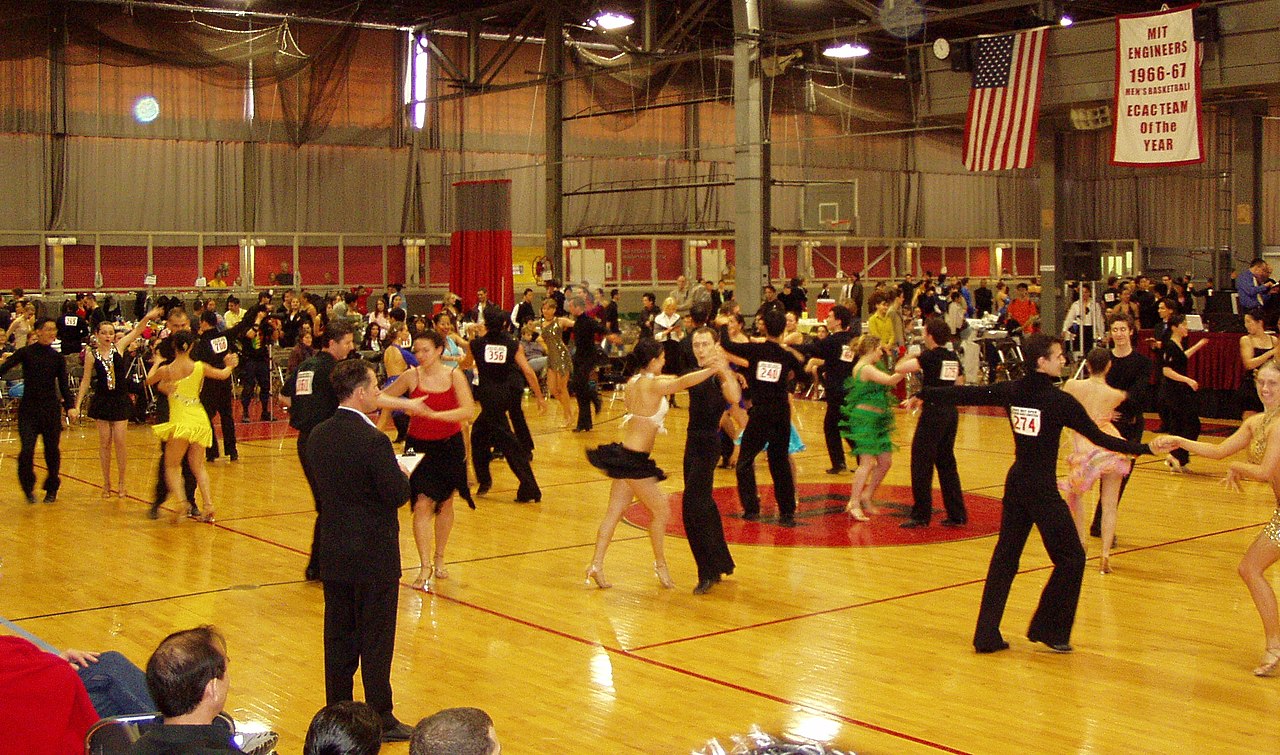
Latin dance refers broadly to a family of social, theatrical and competitive dances that evolved in the countries of the Americas and in Spain. The term is used in everyday speech to describe popular partner and group dances with roots in European, African and indigenous rhythms. In formal ballroom competition the label "International Latin" denotes a fixed set of five dances: the rumba, cha-cha-cha, samba, paso doble and jive.
Image gallery
10 Images


Characteristics and technique
Although styles vary widely, many Latin dances emphasize rhythmical footwork, syncopation and expressive hip or torso movement. Partner connection, clear lead-and-follow communication and musical interpretation are central. Typical technical features include weight changes timed to percussion patterns, isolations of the hips and chest, and styling that reflects local social customs and stage conventions. Some dances use the Cuban motion of the hips; others stress dramatic posture or quick footwork derived from European folk steps.
History and development
Latin dances emerged through cultural exchange over centuries. African rhythmic concepts and percussion instruments blended with European melodic structures and dance forms brought by colonists. Urban ports and migration routes created fertile ground for new social dances in the 19th and 20th centuries. Several popular forms from the early 1900s are largely historical today — for example, the Cuban danzón — but their influence persists in later genres.
Social, popular and competitive forms
Social Latin dancing covers a wide range of practices performed in clubs, festivals, community events and homes. Common social and popular dances include salsa and mambo, as well as merengue, bachata, cumbia and various Afro-Caribbean styles such as bomba and plena. Local and regional varieties also appear; for instance, certain genres or drum-based traditions are sometimes named with terms like tumba. Competitively, the International Latin repertoire is codified for judging, while other competitive systems and professional theatre companies present choreographed routines and fusion works.
Examples and notable distinctions
- Argentine tango: a stylized partner dance from the Río de la Plata with an emphasis on improvisation and close embrace.
- Samba: Brazilian Carnival traditions transformed into both street and ballroom variants.
- Paso doble: stage-like choreography inspired by the drama of bullfighting, often performed to march-like rhythms in competition.
- Jive: historically connected to swing dances, adapted into the Latin competitive set for its energetic kicks and rock-step patterns.
Importance and contemporary role
Today Latin dances serve social, artistic and athletic roles. They foster cultural identity, provide recreation and fitness, and support careers in performance and teaching. Lessons and community dance nights offer ways to learn social etiquette, rhythm and partner skills, while competitions and festivals keep technical standards evolving. Whether danced socially in a club, practiced in a studio or staged for an audience, Latin dance remains a dynamic field shaped by history, migration and continuing creativity.
Further reading and resources
For concise introductions to particular dances or standardized teaching methods, consult specialized primers and syllabi as well as local cultural organizations. Many communities host weekly social events, workshops and festivals where learners can experience both traditional and contemporary Latin dance forms firsthand.
Related articles
Author
AlegsaOnline.com Latin dance: styles, history, technique and cultural importance Leandro Alegsa
URL: https://en.alegsaonline.com/art/56212