
LaserDisc: early consumer optical-video format
LaserDisc is an early optical disc format for analog video and digital audio, introduced in 1978. It offered better picture than VHS, was larger than later DVDs, and remained a collector's format into the 2000s.
Overview
A LaserDisc is an optical disc format developed for consumer video playback. First marketed in 1978 and also known as DiscoVision or LaserVision, it delivered higher video quality than magnetic tape such as VHS and preceded the compact digital DVD. LaserDiscs are physically larger than DVDs and required a dedicated player.
Image gallery
10 Images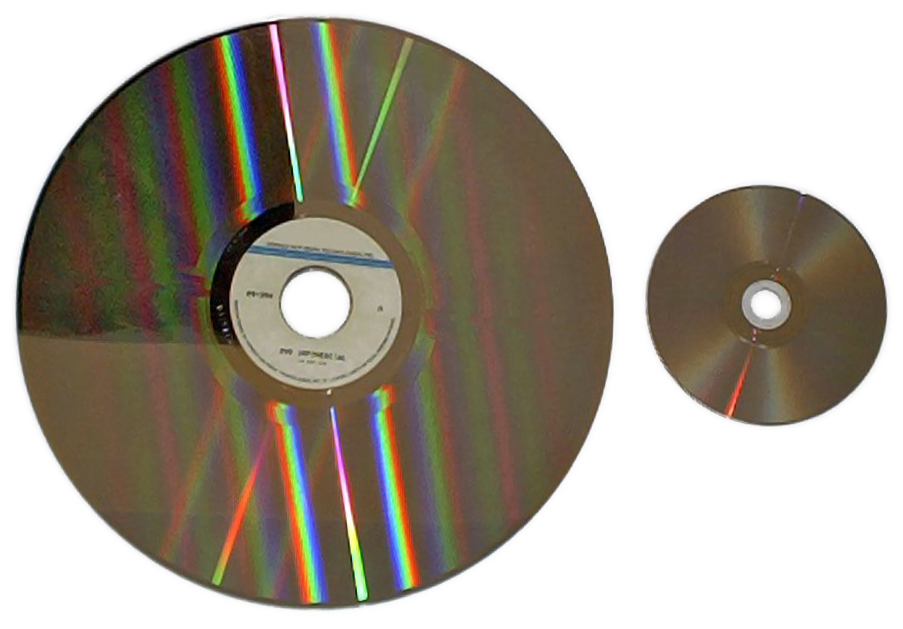



Characteristics and formats
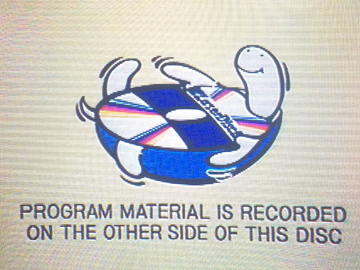
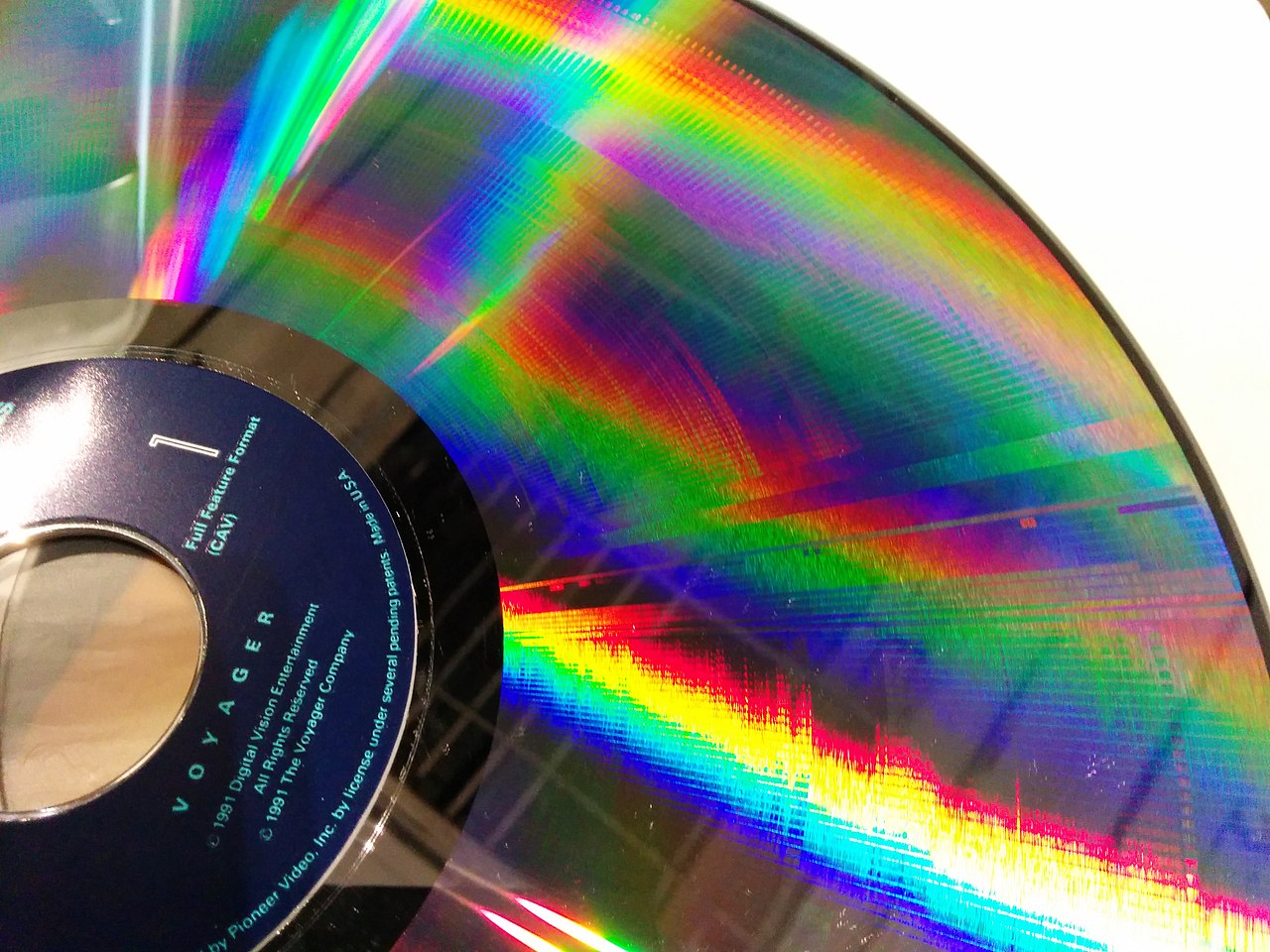
LaserDiscs are roughly 30 cm (12 inches) in diameter, similar in size to a vinyl record. The format combined analog video encoded as frequency-modulated signals with either analog or, in many releases, digital audio tracks. Several technical variants existed — for example, constant linear velocity (CLV) discs that maximized playing time and constant angular velocity (CAV) discs that offered frame-accurate features like single-frame advance. Many discs were double-sided, and some releases required flipping the disc to continue playback.
History and development
The format was introduced commercially in the late 1970s by companies including MCA and Philips and saw most of its popularity through the 1980s and into the 1990s, particularly among home-theater enthusiasts and in Japan. LaserDisc carved out a niche for high-quality home viewing and professional reference copies when most consumers relied on videotape.
Uses, advantages and cultural impact
LaserDisc offered several practical advantages: noticeably improved picture quality over tape, precise still-frame and slow-motion playback, and the ability to include multiple audio tracks and special-content extras. It was important in establishing consumer expectations for features such as commentary tracks and multiple language tracks that later became standard on DVDs. The format was also used in education, special collections, and by film preservationists.
Decline and legacy
Commercial releases declined after the late 1990s as digital optical formats like DVD gained widespread adoption; by the early 2000s most major studios had ceased regular LaserDisc production. Nonetheless, the format has a lasting legacy among collectors and archivists. Well-maintained players and rare editions can command high prices on the secondary market; some high-end units and sought-after discs are advertised at premium levels such as collector prices.
Notable distinctions
- First mass-market optical video medium offering consumer playback.
- Combined analog video with analog or digital audio options.
- Pioneered many disc-based special features later adopted by DVDs.
Related articles
Author
AlegsaOnline.com LaserDisc: early consumer optical-video format Leandro Alegsa
URL: https://en.alegsaonline.com/art/56133