
Latch (mechanical fastener)
A latch is a simple mechanical fastening device used to hold two components together. It permits quick opening and closing while resisting accidental or unwanted movement.
Overview
A latch is a small mechanical device used to hold or fasten two parts together while allowing them to be opened and closed with relative ease. Commonly part of hardware, latches are fitted to doors, gates and enclosures to keep them closed against incidental forces such as animals or wind, or to restrain movement for safety. Compared with a keyed lock, a latch is intended for quick access rather than high security.
Image gallery
10 Images



Components and how it works
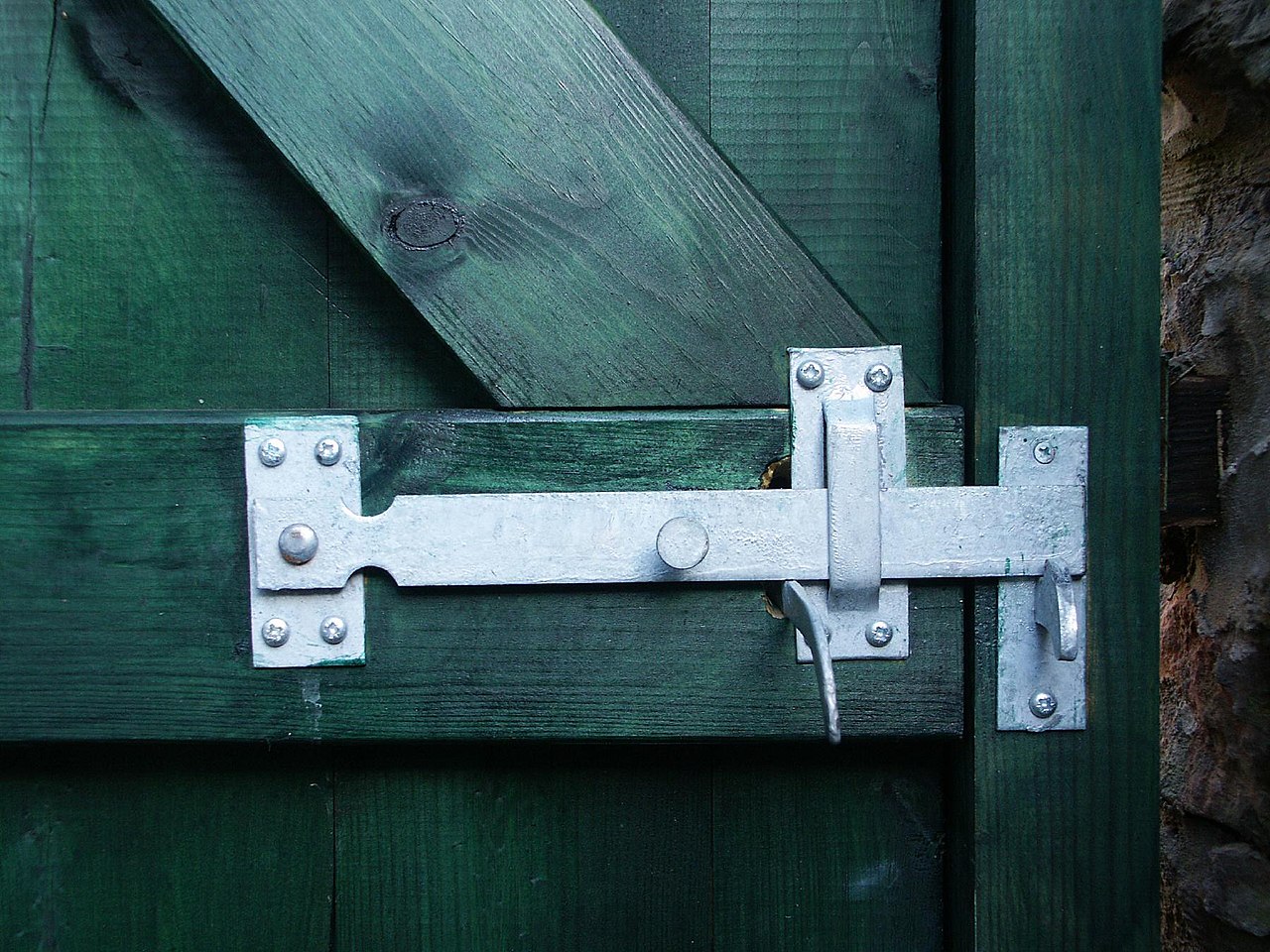
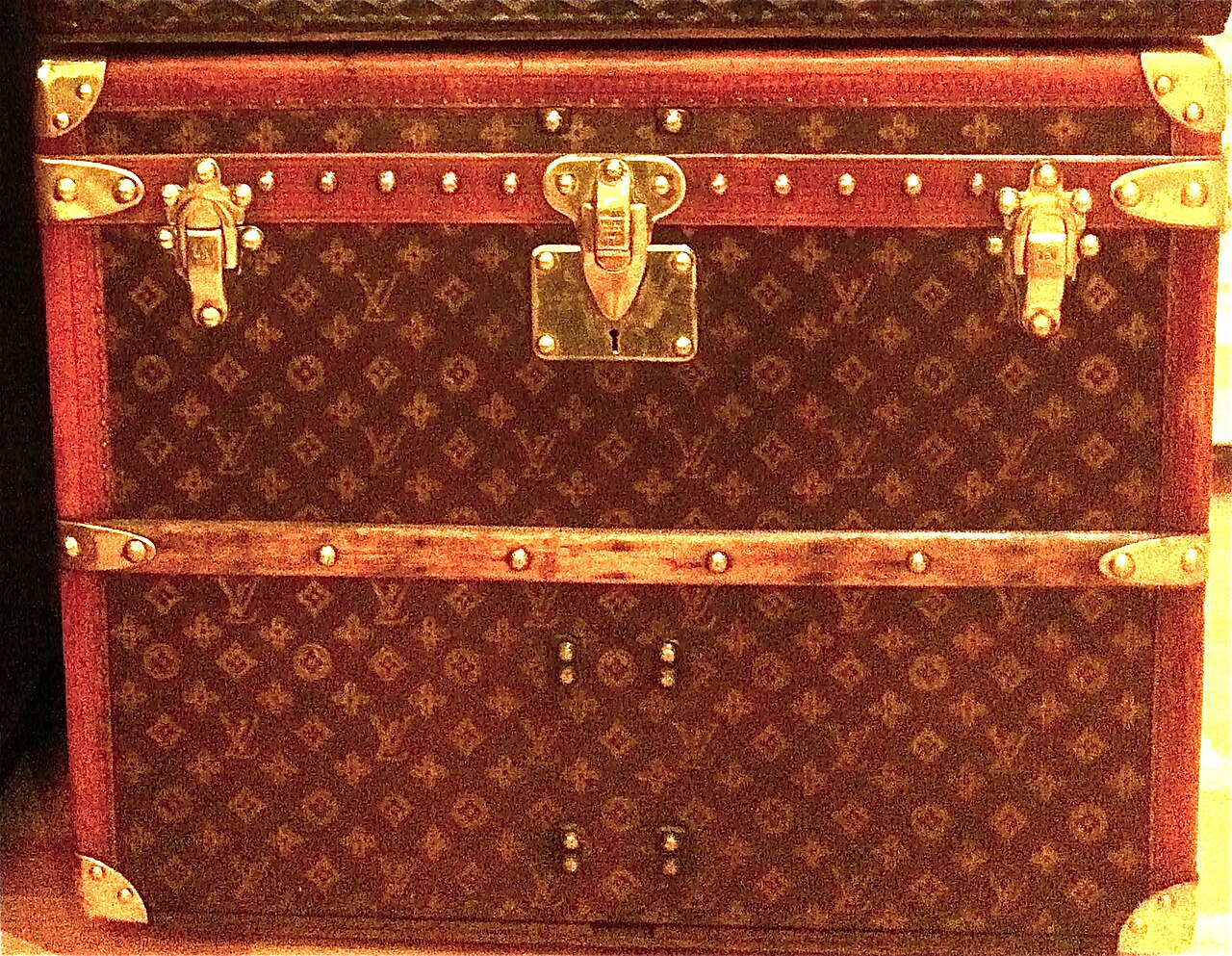
Most mechanical latches consist of a movable element (bolt, tongue or pawl) and a fixed receiving part (keeper or striker). A spring, gravity or manual action returns the moving part into place so the two components remain held. Operating mechanisms include handles, thumb pieces, or simple slides that release the bolt. For animal enclosures a latch may be designed to be animal- or predator-resistant while still simple for a human to open.
Common types
- Slide or barrel bolts: a simple cylindrical bolt that slides into a catch, often used on doors and gates.
- Spring latches: use a spring-loaded tongue that snaps into a strike plate and can be retracted by a handle.
- Thumb latches and ring latches: traditional styles operated by hand levers, common on garden gates.
- Slam or automatic latches: allow a door to close and latch automatically without manual alignment.
History and development
Latches have a long practical history wherever hinged closures were used. Simple forms — wedges, pins and sliding bolts — appear in vernacular architecture and farm work globally. Over time mechanical refinements introduced springs, catches and ergonomically shaped handles. Industrial manufacturing expanded available materials from wood and wrought iron to modern steel alloys and plastics.
Uses and examples
Latches are used on exterior and interior doors, garden gates, cabinets, windows and animal pens where frequent access is required. They are chosen for convenience, speed of operation, or to prevent accidental opening by children, pets or wind. In larger installations, latches are often combined with locks or padlocks when security is also needed.
Distinctions and notable facts
Although often discussed with locks and bolts, a latch is distinct in purpose: it favors accessibility over resistance. Terms like "catch," "keeper," and "strike" describe related parts rather than separate devices. The word "latch" also appears in other fields — for example, in electronics a latch is a bistable memory element — but the mechanical meaning focuses on a fastener that holds two parts together while being releasable. For more technical specifications and installation advice see manufacturer resources: product guides, windproofing advice, and door hardware references. Additional practical tips and historical notes can be found in community and conservation sources: heritage fittings and security comparisons.
See also
- Rotating lock
- Window handle
Related articles
Author
AlegsaOnline.com Latch (mechanical fastener) Leandro Alegsa
URL: https://en.alegsaonline.com/art/56180
Sources
- cpsc.gov : "Childproofing Your Home"
- 360yardware.com : "All About Gate Latches"
- wwhardware.com : "Wood Technology Mechanical Touch latch"