
Aristolochia — birthworts and pipevines (Aristolochiaceae)
Aristolochia is a genus of roughly 500 species of herbs, vines and shrubs called birthworts or pipevines. Notable for tubular flowers, larval host relationships, medicinal history and toxic aristolochic acids.
Overview
Aristolochia is a large genus in the family Aristolochiaceae that includes about 500 described species of herbs, vines and shrubs. Common names—birthworts, pipevines or Dutchman's pipes—refer to the frequently tubular, pipe-shaped flowers. Species occur in tropical and temperate regions worldwide and occupy diverse habitats from forest understories to riverbanks and disturbed ground.
Image gallery
10 Images


Diagnostic characters
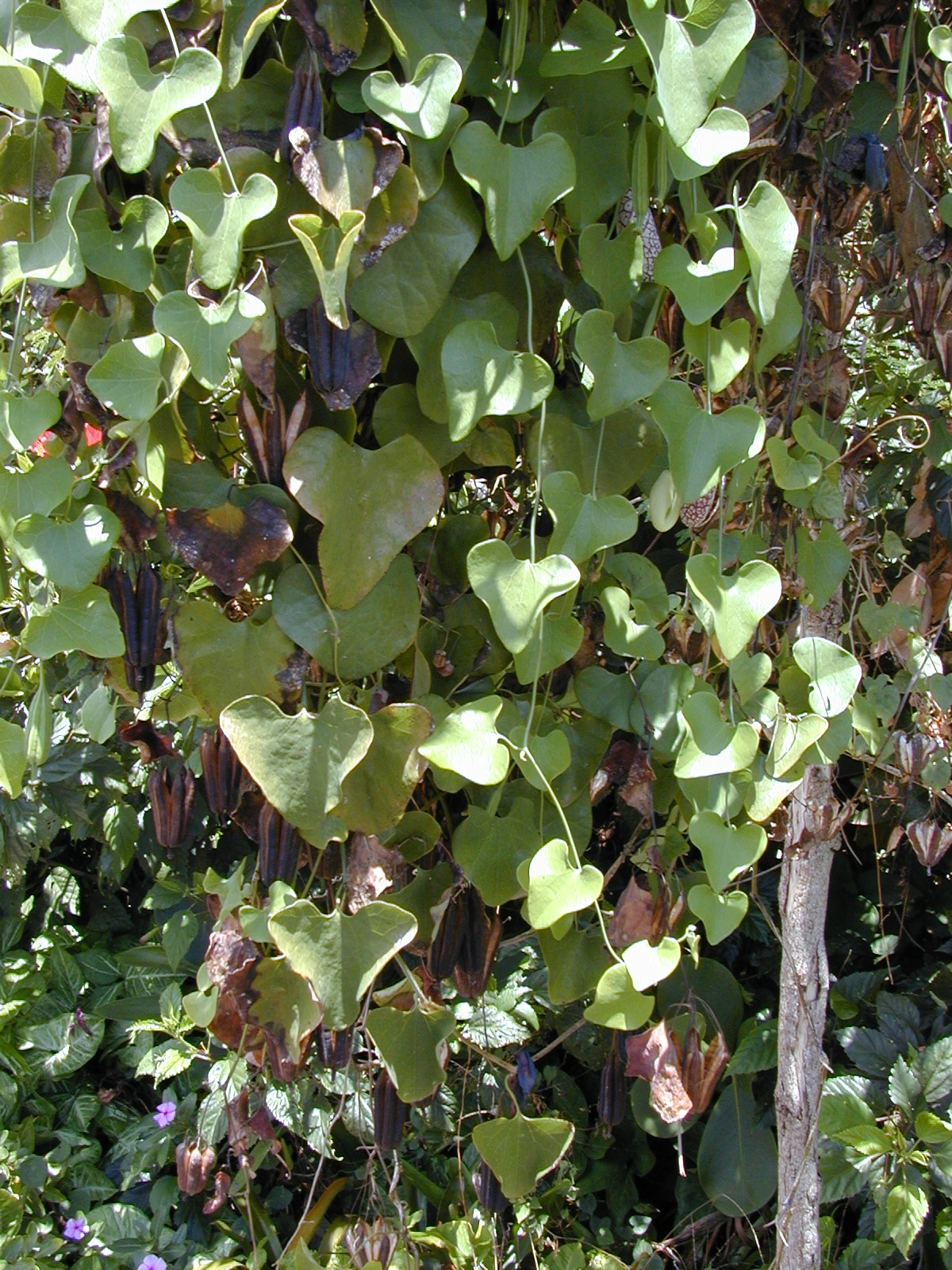
Plants in this group typically have simple, alternate leaves and unusual flowers with a fused perianth forming a tube or pouch. Flowers are often adapted to trap small insects temporarily, ensuring pollination by flies or gnats. Fruits are capsules that split to release numerous small seeds. Useful field features include:
- tubular, often curved or inflated flowers, sometimes brightly patterned;
- simple leaves and twining or scandent stems in many vine species;
- capsules containing many tiny seeds dispersed by wind or water.
Distribution and ecology
Aristolochia species are widespread across the Americas, Africa, Asia and Oceania. Several species serve as specialist host plants for lepidopteran larvae—most famously pipevine swallowtails—which sequester plant toxins for defense. Flower morphology and scent are closely linked to pollination biology; some species use deceptive trapping mechanisms to insure contact with pollinators.
Uses, toxicity and health concerns
Historically certain species were used in traditional remedies, especially for childbirth, which led to the name "birthwort." Modern research has shown that many Aristolochia species contain aristolochic acids, compounds that are nephrotoxic and carcinogenic. Documented cases of kidney damage and cancer following ingestion of Aristolochia-containing herbal products have led to regulation and bans in several countries; consult primary medical reviews and regulatory notices for details.
Taxonomy and related genera
Taxonomy within Aristolochiaceae has been revised repeatedly. Some authors treat a group of species with a three-lobed calyx as the separate genus Isotrema, while molecular studies continue to refine relationships. See family-level treatments and floras for current circumscription and identification keys (family resources).
Conservation and cultivation
Although many Aristolochia species are common, several are threatened by habitat loss, overcollection and restricted ranges; for example, some narrowly endemic species have conservation status assessments. Cultivated species such as Aristolochia gigantea are grown for showy blooms, but growers should be aware of toxicity and legal restrictions. For conservation guidance and species assessments consult conservation resources.
Further reading
For identification, ecology and updated taxonomic information consult regional floras, specialist monographs and databases maintained by botanical institutions (genus overview, family treatment).
Related articles
Author
AlegsaOnline.com Aristolochia — birthworts and pipevines (Aristolochiaceae) Leandro Alegsa
URL: https://en.alegsaonline.com/art/5564